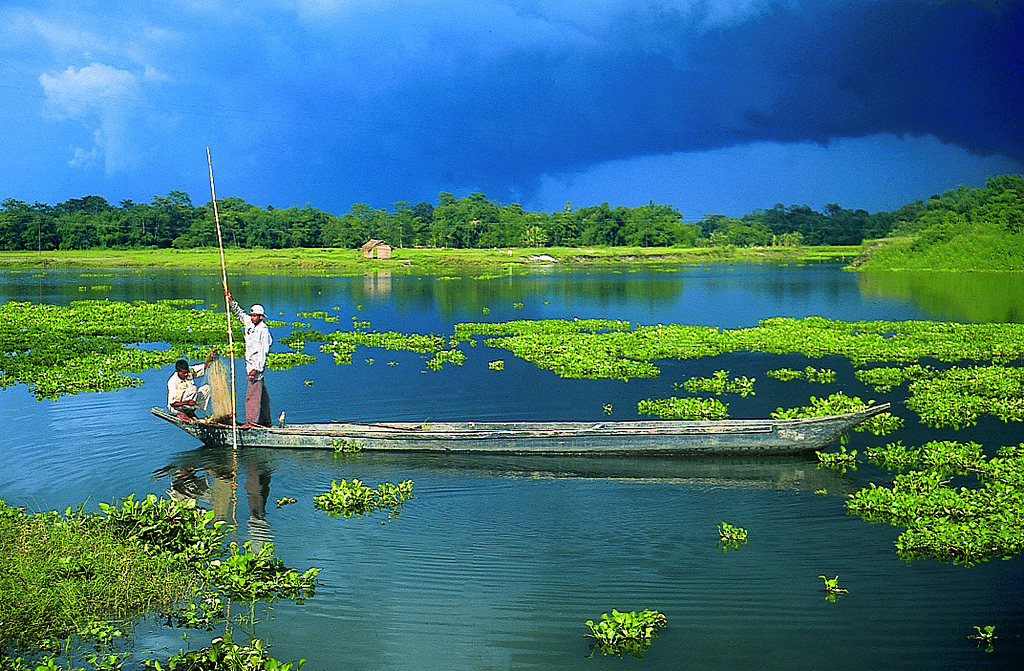
Haflong is one of the most scenic destinations in Assam and the only officially recognized hill station in the state. Located in the Dima Hasao district at an elevation of around 966 metres (3,188 feet), Haflong is surrounded by green hills, misty valleys, forests, waterfalls and picturesque lakes. Its pleasant climate and peaceful atmosphere make it an excellent destination for travellers looking for a quieter alternative to the more crowded hill stations of India.
Often described as the “Switzerland of Assam,” Haflong combines natural beauty with the rich cultural heritage of the indigenous communities of Dima Hasao. The town is particularly attractive to nature lovers, photographers, birdwatchers, adventure enthusiasts and travellers interested in exploring Northeast India beyond the popular destinations of Guwahati and Kaziranga. Assam Tourism recommends spending around three to four days exploring Haflong and its surrounding attractions.
From the peaceful waters of Haflong Lake and the mysterious bird congregation of Jatinga to the historical ruins of Maibong and the dramatic landscapes around Panimur and Umrangso, Haflong offers a variety of experiences within one destination.
Where Is Haflong Located?
Haflong is the headquarters of Dima Hasao district in southern Assam. The town is situated amid the hills of the Dima Hasao region and forms an important connection between Assam’s Brahmaputra and Barak valleys.
Its elevated location gives Haflong a cooler climate than much of Assam. Summers are comparatively pleasant, while winters can be chilly, especially during mornings and evenings. The surrounding hills, forests and valleys create excellent opportunities for scenic drives, nature walks and photography.
Why Is Haflong Famous?
Haflong is famous for several reasons:
- It is Assam’s only hill station.
- Haflong Lake is located in the heart of the town.
- Jatinga is internationally known for its unusual migratory bird phenomenon.
- The Dima Hasao region is home to diverse indigenous cultures.
- Maibong preserves the historical legacy of the Dimasa Kachari Kingdom.
- The surrounding hills offer trekking and nature-walking opportunities.
- Panimur Waterfall provides one of the region’s most attractive natural landscapes.
- Umrangso is known for its reservoir, hills and outdoor experiences.
- The region is rich in orchids, forests, waterfalls and birdlife.
Best Places to visit in haflong
1. Haflong Lake
Haflong Lake is the centrepiece of the town and one of the first places visitors should explore. Surrounded by hills and greenery, the lake provides a peaceful setting for walking, photography and relaxing.
The lake is particularly beautiful during the early morning and late afternoon when the surrounding hills are reflected in the water. Visitors can enjoy leisurely walks around the area and spend time taking in the views.
For travellers staying in Haflong town, the lake is especially convenient because it is easily accessible and can be combined with sightseeing around the main market and nearby attractions.
2. Jatinga
Jatinga is one of the most intriguing places near Haflong. Located approximately 9 kilometres from the town, the village is famous for an unusual seasonal congregation of migratory birds.
The phenomenon became widely known as the “bird suicide” mystery. However, the behaviour is better understood as bird disorientation associated with environmental conditions and artificial lights rather than deliberate suicide. Authorities have also taken measures to stop the killing of birds. Today, Jatinga is an important destination for birdwatchers and people interested in ornithology.
According to Assam Tourism, August to November is an important period for birdwatching in Jatinga.
3. Maibong
Maibong is an excellent destination for travellers interested in history and archaeology. It was once an important capital of the Dimasa Kachari Kingdom and contains historical remains associated with the kingdom.
The town is situated along the Mahur River and offers a combination of historical sites and attractive hill scenery. Exploring Maibong gives visitors an opportunity to understand the region’s connection with the medieval Dimasa kingdom while enjoying the surrounding landscape.
4. Panimur Waterfall
Panimur Waterfall is among the most beautiful natural attractions in Dima Hasao. The waterfall is created by the Kopili River and is known for its striking water and rocky surroundings.
The landscape around Panimur is particularly attractive for photography and nature lovers. The colour and appearance of the water can vary with weather and seasonal conditions, creating different experiences throughout the year.
Visitors should be careful around rocks and flowing water, particularly after rainfall.
5. Umrangso
Umrangso is a scenic town in Dima Hasao and an excellent option for travellers who want to explore beyond Haflong. It is known for the artificial lake created following the construction of a dam across the Kopili River.
The surrounding hills and reservoir provide opportunities for boating, photography and enjoying the landscape. Umrangso is also associated with an 18-hole natural golf course and migratory Amur falcon sightings. The district administration notes that Amur falcons stop in the area during their migration, particularly around October and November.
6. Umrongso Hot Water Spring
The hot-water spring near Umrangso, locally known as Garam Pani, is another interesting attraction in the region. The warm spring is surrounded by hills and natural scenery and offers a relaxing stop during a wider Umrangso excursion.
Local traditions associate the spring with therapeutic properties, although visitors should treat such claims as traditional beliefs rather than established medical benefits.
7. Thuruk
Thuruk is a picturesque hill village in the Dima Hasao region known for its cool climate and natural surroundings. Assam Tourism highlights it as a scenic destination and notes that visitors have historically associated the area with occasional snowfall-like winter experiences.
The journey to Thuruk is itself part of the attraction, with winding mountain roads and views of the surrounding landscape.
8. Bendao Baglai Waterfalls
Bendao Baglai is another waterfall destination in the Dima Hasao region. The attraction is suitable for travellers who enjoy less-commercialised natural places.
Because many attractions in the region are spread across hilly terrain, it is advisable to check local road conditions and accessibility before planning a dedicated trip to remote waterfalls.
9. Hajong Lake
Hajong Lake is a peaceful natural attraction in the Dima Hasao region. Its surrounding greenery and hills make it suitable for photography and quiet nature experiences.
The lake can be included in a broader exploration of Dima Hasao rather than treated as a quick stop within Haflong town.
10. Haflong Hills and Viewpoints
The hills surrounding Haflong provide excellent viewpoints over the valleys and forests. One of the simplest ways to experience the destination is to walk around the town and explore elevated locations.
Morning walks are particularly enjoyable when mist hangs over the valleys. Photographers should also keep some time around sunrise and sunset for panoramic views.
Things to Do in Haflong
1. Enjoy a Walk around Haflong Lake
Start your day with a peaceful walk around Haflong Lake. The cool air, greenery and surrounding hills create a relaxing atmosphere.
2. Go Birdwatching
Jatinga makes Haflong particularly interesting for birdwatchers. The broader Dima Hasao region is also rich in birdlife, making binoculars a useful addition to your travel gear.
3. Explore Indigenous Culture
Dima Hasao is home to several indigenous communities, including the Dimasa and other hill communities. Travellers can learn about local traditions through villages, local markets, food, crafts and cultural events.
Always ask before photographing people, homes, ceremonies or cultural activities.
4. Go for Nature Walks and Short Treks
Haflong is small enough to explore partly on foot, and Assam Tourism specifically recommends village walks and small treks around the valley.
5. Enjoy Photography
Haflong is ideal for landscape photography. Useful subjects include:
- Mist-covered hills
- Haflong Lake
- Forests and valleys
- Waterfalls
- Local villages
- Orchids and flowers
- Sunrise and sunset
- Traditional houses and markets
- Mountain roads
6. Explore Local Markets
The local market offers a chance to experience everyday life in Haflong. You can look for regional produce, fruits, vegetables, traditional foods and locally made products.
Best time to visit Haflong
Haflong can be visited throughout the year, but the ideal season depends on the type of experience you want.
1. October to march- Best overall period
October to March is generally a comfortable period for sightseeing, outdoor activities, photography and exploring nearby attractions. The weather is cooler and conditions are usually more pleasant for travelling around the hills. Assam Tourism recommends Haflong throughout the year but advises avoiding the monsoon because of heavy rainfall.
2. August to November- Best for Jatinga Birdwatching
If Jatinga is the main reason for your trip, August to November is particularly relevant for birdwatching.
3. April to May – Pleasant Before Monsoon
April and May can be suitable for travellers who want to experience the hills before the heavier monsoon rains arrive. The climate remains relatively comfortable compared with the plains.
4. June to September – Monsoon
The monsoon brings lush greenery and fuller waterfalls, but heavy rain can make hill roads difficult. Landslides, slippery trails and travel delays are possible, so travellers should monitor local conditions before travelling.
Where to stay in Haflong
Haflong offers accommodation options for different types of travellers, from affordable homestays and lodges to comfortable hotels and premium properties. Since Haflong is a relatively small hill destination, accommodation choices are more limited than in larger tourist cities. Travellers should ideally book their stay in advance, especially during weekends, holidays and peak tourist seasons.
1. Low-Budget Stay – ₹1,000 to ₹1,500 Per Night
For backpackers, solo travellers and visitors travelling on a tight budget, local homestays, lodges and basic guesthouses are good choices. These accommodations generally provide essential facilities such as a clean room, bed, attached bathroom and sometimes meals.
Homestays can be particularly useful for budget travellers because they provide an opportunity to interact with local residents and experience the lifestyle of the hill region.
Best for: Solo travellers, backpackers and students.
2. Budget-Comfort Stay – ₹1,500 to ₹2,000 Per Night
If you want a little more comfort without spending too much, choose a better-equipped guesthouse or homestay. These stays may offer larger rooms, attached bathrooms, hot water, Wi-Fi and basic housekeeping.
This category is suitable for couples and small families who want to keep accommodation costs under control while still enjoying a comfortable stay.
Best for: Couples, small families and budget-conscious travellers.
3. Mid-Range Stay – ₹2,000 to ₹3,000 Per Night
Travellers with a moderate budget can choose comfortable hotels and boutique homestays. These properties usually provide better rooms, improved amenities and convenient locations.
Staying around Haflong town or near Haflong Lake is particularly convenient because restaurants, shops, local transportation and several attractions are easier to access.
Best for: Families, couples and first-time visitors.
4. Premium Stay – ₹3,000+ Per Night
Travellers who prefer more comfort can choose premium hotels, better rooms or well-equipped boutique properties. Depending on the property, facilities may include spacious rooms, better views, room service, parking, in-house dining and other additional amenities.
Premium accommodation is a good choice for travellers who want to relax at their hotel after spending the day exploring the surrounding hills.
Best for: Families, couples and travellers looking for extra comfort.
Best Areas to Stay in Haflong
1. Near Haflong Lake: This is one of the most convenient areas for visitors. You can enjoy easy access to the lake, town centre, restaurants and local sightseeing spots. It is particularly suitable for couples and first-time visitors.
2. Haflong Town: Staying in the town centre is a practical option for budget travellers. Shops, eateries, markets and transportation facilities are relatively easy to access.
3. Hagjer Nagar: Hagjer Nagar has several homestays and guesthouse-style accommodations. It can be a good choice for travellers looking for a quieter environment while remaining reasonably close to the main town.
4. Dibarai: Dibarai is another area where travellers can find lodges and homestays. It is suitable for visitors who prefer a peaceful atmosphere and do not mind travelling a little for sightseeing.
5. Hill-View Areas: Some accommodations are located on elevated parts of Haflong and offer beautiful views of the surrounding hills and valleys. These are ideal for nature lovers and photographers, although local transportation may be less convenient.
Haflong Travel Tips
- Carry light woollens: Even when the plains are warm, Haflong can feel cool, particularly in winter evenings.
- Keep rain protection: Weather can change quickly in the hills.
- Wear comfortable shoes: Many attractions involve walking on uneven or slippery terrain.
- Carry cash: Digital payments may not work everywhere, particularly in remote areas.
- Plan transportation: Public transport can be limited for remote attractions.
- Start early: Early departures give you more daylight for sightseeing.
- Check road conditions: Rain can affect mountain roads.
- Respect local culture: Ask permission before photographing people or cultural activities.
- Protect nature: Avoid littering and do not disturb birds or wildlife.
- Carry basic medicines: Pharmacies may be less accessible outside the main town.
- Keep offline maps: Mobile connectivity can be inconsistent in hilly areas.
- Do not approach wildlife: Birdwatching should always be done responsibly.
Suggested 3-Day Haflong Itinerary
Day 1: Explore Haflong Town
Begin with Haflong Lake in the morning. Spend some time walking around the lake and exploring the surrounding area.
Later, visit the local market and enjoy lunch at a local restaurant. In the afternoon, explore viewpoints and nearby gardens before returning to your hotel.
End the day with a relaxed evening overlooking the hills.
Day 2: Jatinga and Natural Attractions
Start early and travel to Jatinga. Spend time exploring the area and learning about its famous bird phenomenon.
Return towards Haflong for lunch before exploring nearby natural attractions. Depending on road conditions and available transport, you can include a waterfall or village excursion.
Return to Haflong in the evening.
Day 3: Maibong or Umrangso
Use your final day for a longer excursion.
History lovers can choose Maibong to explore the heritage of the former Dimasa Kachari capital. Nature and adventure lovers can instead plan an excursion towards Umrangso, where the reservoir, hills and surrounding landscape offer a different side of Dima Hasao.
Return to Haflong or continue your onward journey depending on your travel plans.
Is Haflong Worth Visiting?
Absolutely. Haflong is one of Assam’s most distinctive destinations because it offers something very different from the state’s better-known plains, tea gardens and wildlife destinations.
Its combination of cool mountain weather, peaceful lakes, forested hills, waterfalls, birdwatching, indigenous culture and historical attractions makes it ideal for travellers who prefer slow and scenic journeys. The official Assam Tourism website describes Haflong as a place where visitors can explore the valley on foot, walk to villages, enjoy small treks and experience the surrounding natural beauty.
The destination is particularly rewarding if you give yourself enough time rather than trying to cover everything in a single day.
How to reach Haflong
1. By Air:
Haflong does not have a major commercial airport of its own. Travellers can fly to Silchar Airport or Lokpriya Gopinath Bordoloi International Airport in Guwahati and continue by road.
The Dima Hasao district administration lists Silchar and Guwahati as the main airport gateways, with Haflong approximately 103 kilometres by road from Silchar and around 333 kilometres from Guwahati. Actual travel time can vary according to road and weather conditions.
2. By Train:
Rail travel is one of the more interesting ways to reach the Dima Hasao hills. The district has several railway stations served by passenger and express trains connecting the region with Guwahati, Silchar and other parts of Assam.
The mountain railway journey can itself be a memorable part of the trip because of the changing landscapes.
3. By Road:
Haflong is connected by road with Guwahati, Silchar and other parts of Assam. State-run and private buses, shared vehicles, Tata Sumos, Force Travellers and taxis are among the available options.
The district administration also lists regular bus services between Guwahati and Haflong.
Conclusion
Haflong is a beautiful hill retreat that reveals a quieter and less-explored side of Assam. From the serene Haflong Lake and mysterious Jatinga to historic Maibong, scenic Panimur Waterfall and picturesque Umrangso, the region offers a diverse mix of nature, history and culture.
With its pleasant climate, misty mountains, lush forests and welcoming local communities, Haflong is an excellent choice for a 3–4 day Northeast India getaway. Travellers looking for an offbeat destination away from crowded hill stations will find Haflong particularly rewarding.
Frequently Asked Questions about Haflong
How many days are enough for Haflong?
A 3–4 day trip is ideal for exploring Haflong and some of its surrounding attractions without rushing. Assam Tourism also recommends three to four days for the destination.
What is the best time to visit Haflong?
October to March is generally the best period for comfortable sightseeing. For Jatinga birdwatching, August to November is particularly significant.
Is Haflong a hill station?
Yes. Haflong is recognized as the only hill station in Assam and is located at approximately 966 metres above sea level.
How far is Haflong from Guwahati?
Haflong is approximately 333 km by road from Guwahati, although actual journey time depends on traffic, weather and road conditions.
How far is Jatinga from Haflong?
Jatinga is approximately 9 km from Haflong.
Can I visit Haflong during the monsoon?
Yes, but caution is recommended. Haflong receives heavy rainfall during the monsoon, which can affect roads and outdoor activities. Assam Tourism advises avoiding the monsoon period if possible.
What are the best places near Haflong?
Some notable attractions around Haflong include Jatinga, Maibong, Panimur Waterfall, Umrangso, Bendao Baglai Waterfalls, Hajong Lake and Thuruk.
Is Haflong suitable for a family trip?
Yes. Haflong Lake, scenic viewpoints, easy walks and sightseeing around the town are suitable for families. More demanding treks and remote excursions should be planned according to the age and fitness of family members.
Is Haflong good for a honeymoon or couple's trip?
Yes. Couples who enjoy peaceful destinations, mountain scenery, nature walks and scenic photography can consider Haflong for a quiet Northeast India getaway.
What should I buy in Haflong?
Travellers can explore local markets for regional food products, handicrafts, traditional items and locally produced goods. Availability varies by season and market.
Is Haflong expensive?
Haflong can be explored on a moderate budget, although transportation to remote attractions can increase the overall cost. Booking accommodation and vehicles in advance can make trip planning easier.
Is there snowfall in Haflong?
Snowfall is not a regular feature of Haflong. The region is known for its cool hill climate, mist and winter scenery rather than dependable snowfall.
Is Jatinga safe for birdwatching?
Yes, visitors can explore Jatinga as a birdwatching destination. The killing of birds associated with the historic phenomenon has been banned, and the focus today is on observing the area's birdlife responsibly.
Why should I visit Haflong instead of a popular hill station?
Haflong is ideal if you want a quieter and less-commercialised hill experience. Its combination of natural scenery, indigenous culture, birdwatching, history and waterfalls gives it a distinct character compared with mainstream Indian hill stations.