
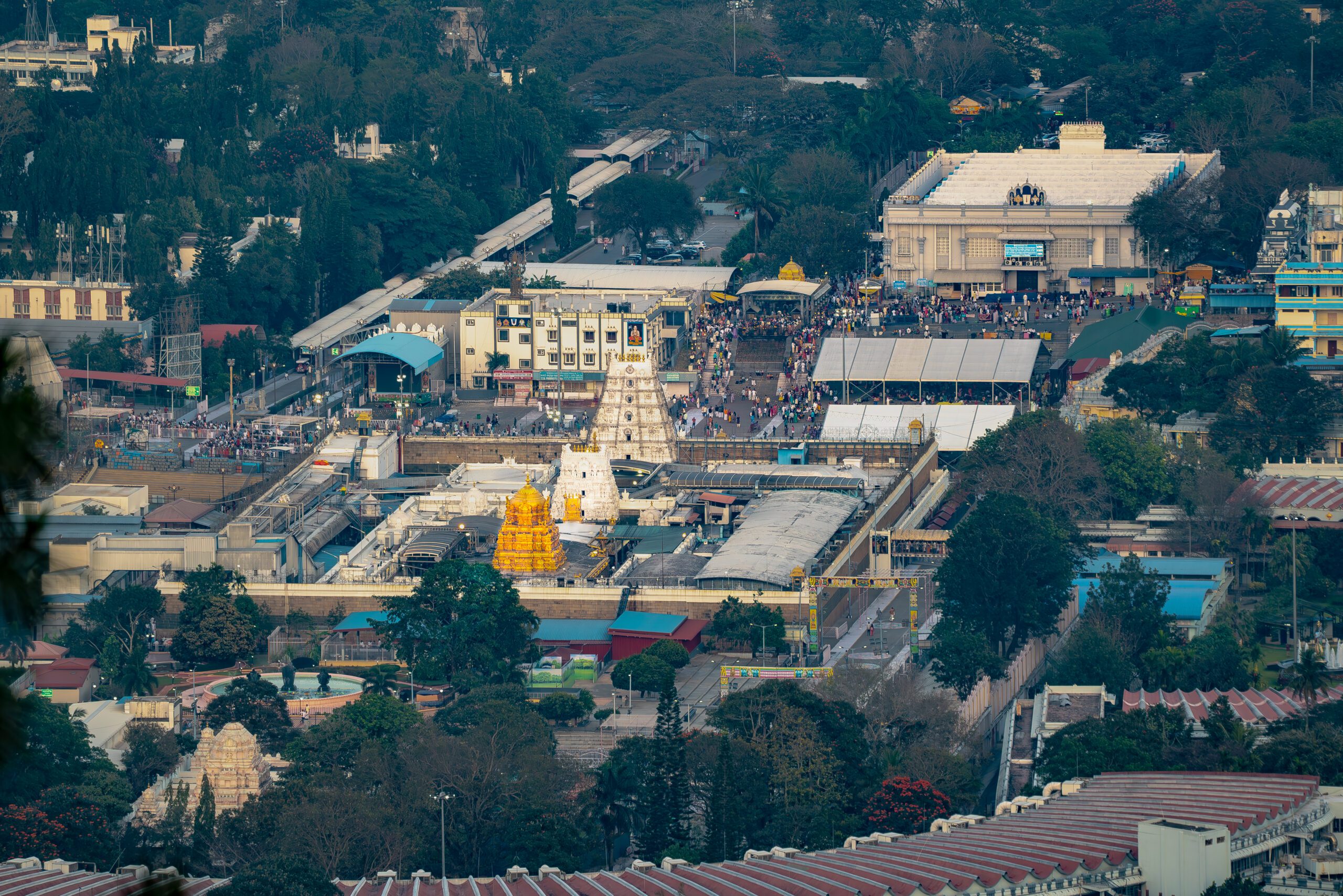
Tirupati is one of the most important pilgrimage destinations in India and a major spiritual centre in Andhra Pradesh. Located in the Chittoor district, the city is best known as the gateway to Tirumala, the sacred hill town that houses the famous Sri Venkateswara Swamy Temple. Every year, millions of devotees travel to Tirupati to seek the blessings of Lord Venkateswara, making it one of the most visited religious destinations in the country.
Tirupati is much more than a temple town. Surrounded by the Eastern Ghats, the destination combines spirituality, history, architecture, nature and South Indian culture. The seven sacred hills of Tirumala, known collectively as Seshachalam Hills, provide a beautiful setting for the temple and other religious attractions.
The city is also an excellent destination for travellers interested in ancient temples, traditional cuisine, handicrafts and local culture. Popular attractions around Tirupati include Kapila Theertham, Sri Govindaraja Swamy Temple, Sri Padmavathi Ammavari Temple at Tiruchanur, ISKCON Temple, Sri Kalahasti and Chandragiri Fort.
Whether you are planning a pilgrimage, a family trip or a cultural holiday, Tirupati offers a combination of devotion and exploration. This detailed guide covers the history of Tirupati, Tirumala Temple, major attractions, best time to visit, how to reach, accommodation, food, travel tips and other useful information.
History of Tirupati
Tirupati has a long and fascinating religious history associated with Lord Venkateswara, an incarnation of Lord Vishnu. The sacred Tirumala hills have been mentioned in several ancient Hindu texts and have attracted pilgrims for centuries.
The principal temple on Tirumala is dedicated to Sri Venkateswara, who is worshipped as Lord Vishnu. According to Hindu tradition, Lord Venkateswara appeared on the Tirumala hills to protect devotees and fulfil their prayers.
The temple developed over several centuries under the patronage of different South Indian dynasties and rulers. The Pallavas, Cholas, Pandyas and later rulers contributed to the development of the temple and its surrounding religious institutions.
During the medieval period, the temple received considerable support from the rulers of the Vijayanagara Empire. Emperor Krishnadevaraya was particularly associated with significant contributions to the temple complex. Several structures, inscriptions and artistic elements reflect the influence of different periods.
Over time, Tirumala evolved into one of the wealthiest and most prominent pilgrimage centres in India. Today, the temple and its administration are managed by the Tirumala Tirupati Devasthanams.
Religious Significance of Tirupati
Tirupati holds enormous significance for devotees of Lord Vishnu. The deity at Tirumala is popularly known as Lord Venkateswara, Balaji, Govinda and Srinivasa.
Devotees believe that offering prayers at the temple brings blessings, prosperity and spiritual fulfilment. One of the most distinctive traditions associated with Tirupati is the offering of hair. Many pilgrims voluntarily tonsure their heads as an act of devotion and humility.
Another important practice is the offering of laddu prasadam, the famous Tirupati Laddu. It is distributed to devotees after their visit and has become closely associated with the pilgrimage.
The temple is particularly crowded during major Hindu festivals, especially Brahmotsavam, Vaikuntha Ekadashi and other important occasions in the Vaishnavite calendar.
Tirumala Venkateswara Temple
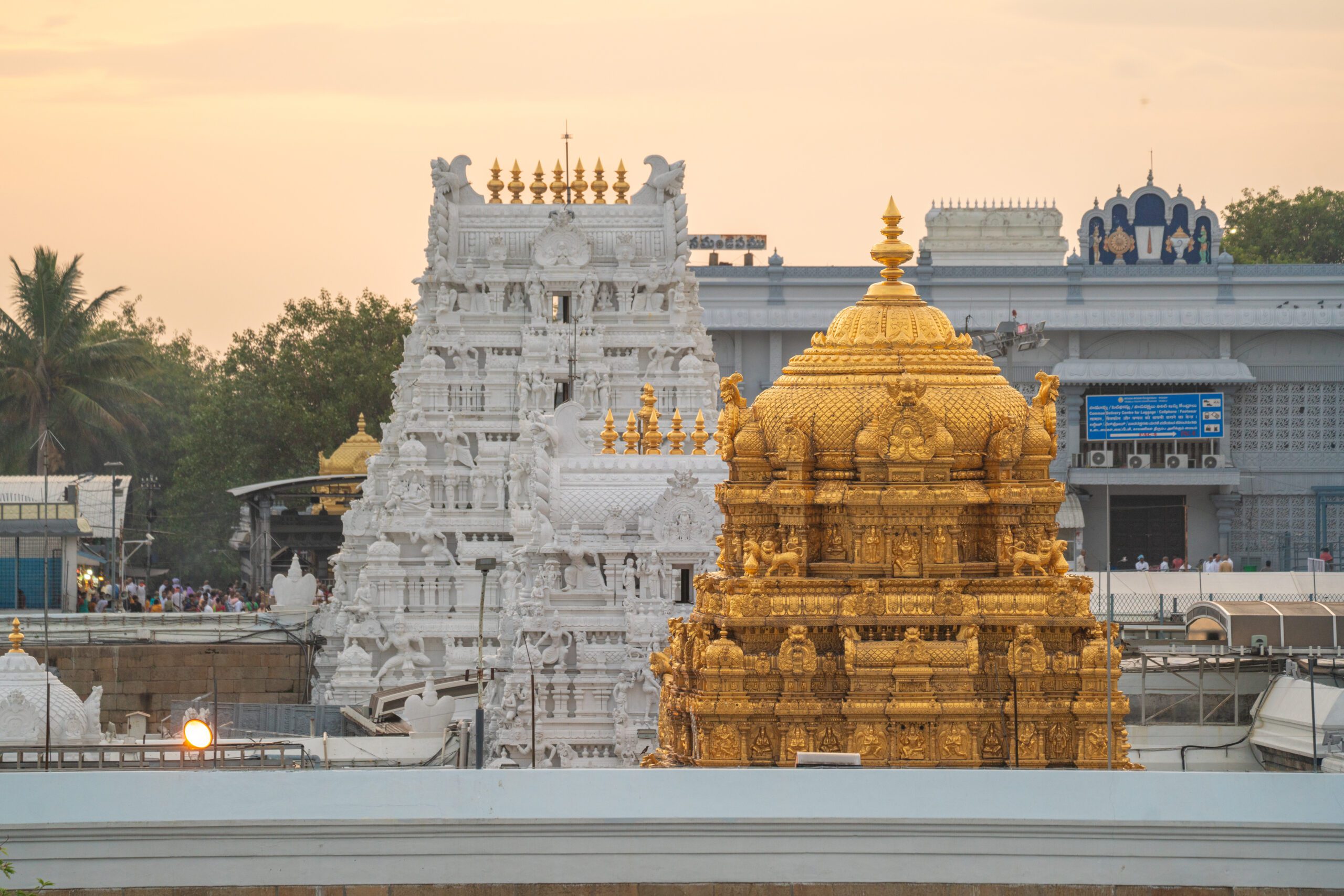
The most important attraction in Tirupati is the Sri Venkateswara Swamy Temple, located on the Tirumala hills.
The temple is commonly called Tirumala Temple or Tirupati Balaji Temple. It is one of the most revered Vaishnavite temples in India and attracts devotees from across the country and abroad.
The temple’s principal deity is Lord Venkateswara, represented in a standing form inside the sanctum. The temple complex contains several important structures, courtyards, mandapams and shrines.
Important Features of Tirumala Temple
- Sacred shrine of Lord Venkateswara
- Traditional Dravidian-style architectural elements
- Golden Ananda Nilayam above the sanctum
- Vaikuntam Queue Complex for pilgrims
- Various mandapams and subsidiary shrines
- Daily rituals and special sevas
- Famous Tirupati Laddu prasadam
- Hair tonsuring facilities for devotees
- Large pilgrimage infrastructure managed by Tirumala Tirupati Devasthanams.
Darshan at Tirumala Temple
Devotees can choose from different forms of darshan depending on availability, eligibility and the current arrangements of TTD. Pilgrims should check the official TTD system before travelling because darshan procedures, booking rules and availability can change.
Special entry darshan, free darshan and various seva options may be available depending on the schedule.
Because Tirumala receives a very large number of pilgrims, advance planning is highly recommended.
The Seven Hills of Tirumala
Tirumala is traditionally associated with seven sacred hills. These hills are considered spiritually significant and are an important part of the religious identity of the destination.
The seven hills are:
- Vrishabhadri – Hill of Nandi, the sacred bull of Lord Shiva.
- Anjanadri – Associated with Lord Hanuman and Anjana Devi.
- Neeladri – Associated with Neela Devi.
- Garudadri – Associated with Garuda, the vehicle of Lord Vishnu.
- Seshadri – Associated with the serpent deity Adisesha.
- Venkatadri – The principal hill on which the Venkateswara Temple is located.
- Narayanadri – Considered sacred to Lord Vishnu.
The seven hills are often referred to collectively as Saptagiri.
Major Places to Visit in Tirupati
1. Sri Venkateswara Swamy Temple
The Tirumala Temple is naturally the highlight of any Tirupati trip. Devotees visit the shrine for darshan, participate in religious rituals and receive prasadam.
2. Sri Padmavathi Ammavari Temple
Located at Tiruchanur, a short distance from Tirupati, this temple is dedicated to Goddess Padmavathi, regarded as the consort of Lord Venkateswara.
A visit to Tiruchanur is considered an important part of the pilgrimage for many devotees.
3. Sri Govindaraja Swamy Temple
Located in the heart of Tirupati, this historic temple is dedicated to Lord Govindaraja, an important form of Lord Vishnu.
Its traditional architecture, colourful gopurams and religious atmosphere make it one of the city’s important attractions.
4. Kapila Theertham
Kapila Theertham is a sacred temple and waterfall located at the foothills of Tirumala. The temple is dedicated to Lord Shiva and is associated with Sage Kapila.
During the monsoon, the surrounding waterfall and rocky landscape become particularly attractive.
5. ISKCON Temple Tirupati
The ISKCON Temple is dedicated to Lord Krishna and Radha and offers a peaceful environment for prayer and meditation.
The temple is known for its devotional atmosphere, beautifully decorated idols and spiritual activities.
6. Sri Kalyana Venkateswara Swamy Temple, Srinivasa Mangapuram
Located near Tirupati, this temple is associated with Lord Venkateswara and is especially revered by devotees who are unable to visit the main Tirumala shrine.
The temple has considerable religious and architectural importance.
7. Chandragiri Fort
Chandragiri Fort is an important historical attraction near Tirupati. The fort has connections with the Vijayanagara Empire and provides an insight into the region’s medieval history.
The palace structures, fortifications and surrounding landscape make it an interesting place for history enthusiasts.
8. Sri Venkateswara Zoological Park
Spread across a large area, this zoological park is a popular attraction for families and nature lovers. It provides opportunities to see different species of animals and birds in a natural-looking environment.
9. Talakona Waterfall
Located in the forested region near Tirupati, Talakona is one of the most popular natural attractions around the city. The waterfall is surrounded by dense vegetation and hills.
It is an excellent option for travellers who want to combine their pilgrimage with a nature excursion.
10. Sri Vari Museum
The museum near Tirumala provides information about the history, traditions, architecture and religious heritage associated with the temple.
It is useful for visitors who want to understand the cultural background of the Tirumala pilgrimage.
Tirupati Balaji Temple Architecture
The architecture of Tirumala Temple reflects the traditional South Indian temple style, particularly the Dravidian architectural tradition.
The temple complex features towering gateways, ornate carvings, mandapams and richly decorated structures.
One of its most recognisable features is the golden covering over the main sanctum, known as Ananda Nilayam. The temple’s gopurams and other structures feature detailed craftsmanship and religious motifs.
The temple has been expanded and renovated over centuries, resulting in a complex that represents multiple historical periods.
Photography restrictions may apply in various parts of the temple, particularly around sacred areas. Visitors should follow the instructions of temple authorities.
Famous Rituals and Sevas at Tirumala
The daily schedule at Tirumala includes several rituals and sevas. Some of the well-known services include:
- Suprabhatam
- Thomala Seva
- Archana
- Ekanta Seva
- Kalyanotsavam
- Arjitha Brahmotsavam
- Visesha Pooja
The availability and booking process for different sevas can vary. Pilgrims should check the latest TTD schedule and booking information before planning their visit.
Tirupati Laddu Prasadam
One of the most famous aspects of the Tirupati pilgrimage is the Tirupati Laddu.
The laddu is prepared as prasadam and distributed to devotees visiting the temple. It has become an iconic part of the pilgrimage experience.
The traditional preparation uses ingredients such as gram flour, sugar, ghee, cashews and raisins, although the exact preparation is controlled by the temple administration.
Devotees should purchase or collect prasadam only through authorised channels.
Festivals Celebrated in Tirupati
1. Brahmotsavam
Brahmotsavam is among the most important festivals celebrated at Tirumala. The festival features elaborate religious ceremonies and processions.
During the festival, the temple attracts exceptionally large numbers of pilgrims.
2. Vaikuntha Ekadashi
Vaikuntha Ekadashi is another major occasion at Tirumala. Devotees consider the day particularly auspicious for worshipping Lord Vishnu.
Special arrangements are generally made to accommodate the large number of pilgrims.
3. Rathasapthami
Rathasapthami is celebrated with special processions and rituals. It is an important festival in the Tirumala religious calendar.
4. Padmavathi Brahmotsavam
The Padmavathi Ammavari Temple at Tiruchanur also celebrates its own important annual festivities, attracting devotees from different parts of the country.
Best Time to Visit Tirupati
Tirupati can be visited throughout the year, but the ideal season depends on your priorities.
1. October to February
The winter months are generally comfortable for sightseeing and pilgrimage. Temperatures are comparatively pleasant, making it easier to explore temples and nearby attractions.
This is one of the most suitable periods for travellers who want to combine temple visits with sightseeing.
2. March to June
Summer can be hot, particularly during the afternoon. Pilgrims travelling during these months should plan outdoor sightseeing for the morning or evening.
3. July to September
The monsoon season brings greenery and occasional rainfall. The surrounding hills and waterfalls can look particularly beautiful during this period.
However, travellers should keep weather conditions in mind when planning visits to waterfalls and forest areas.
4. Best Time for Pilgrimage
For a comfortable pilgrimage experience, October to February is generally a good choice. However, festival periods can be extremely crowded, so travellers looking for a quieter experience should avoid major festival dates.
How to Reach Tirupati
1. By Air
Tirupati Airport is the nearest airport and has connectivity with several Indian cities.
The airport is located approximately 15–20 km from central Tirupati, although the exact travel time depends on traffic and destination.
Travellers can use taxis, cabs or other local transport to reach the city.
2. By Train
Tirupati has excellent railway connectivity with several major cities across India.
Tirupati Railway Station is convenient for pilgrims travelling to the city. Another important railway station is Renigunta Junction, which has connections to several major railway routes.
3. By Road
Tirupati is well connected by road with cities in Andhra Pradesh and neighbouring states.
Regular buses operated by state transport services and private operators connect Tirupati with destinations such as Chennai, Bengaluru, Hyderabad and other cities.
Travellers can also hire taxis or drive their own vehicles.
4. Tirupati to Tirumala
Tirupati city and Tirumala are separate but closely connected destinations.
Tirumala is situated on the hills above Tirupati. Pilgrims can travel from Tirupati to Tirumala by bus, taxi or private vehicle according to the applicable rules.
The journey through the hills offers scenic views, although traffic can become heavy during peak pilgrimage periods.
5. Tirupati Footpath Routes
Devotees who want to undertake the traditional pilgrimage on foot can use designated pedestrian routes to Tirumala.
The two well-known footpaths are:
- Alipiri Mettu
- Srivari Mettu
These routes involve climbing a large number of steps and can be physically demanding. Pilgrims should carry sufficient drinking water, wear comfortable footwear and allow adequate time for the journey.
The availability and procedures associated with the footpaths can change, so visitors should check current TTD instructions before starting.
Where to stay in Tirupati
Tirupati offers a wide range of accommodation, from affordable lodges and pilgrim guest houses to comfortable mid-range hotels and luxury properties. The best area depends mainly on whether your priority is easy access to Tirumala, budget accommodation, railway connectivity, or a more comfortable hotel stay.
For pilgrims, the two main choices are Tirupati town and Tirumala hill. Tirumala is closer to the temple, while Tirupati has a much wider choice of private hotels, restaurants and transport options.
1. Stay Near Tirupati Railway Station
The area around Tirupati Railway Station is one of the most convenient places to stay, particularly for travellers arriving by train. The neighbourhood has numerous hotels, lodges, restaurants, shops, auto-rickshaws and taxis.
This area is also suitable for travellers with early-morning or late-night train journeys.
Best for: Budget travellers, Solo travellers, Short stays, Train passengers,Pilgrims looking for easy transportation
Hotels around this area range from simple budget rooms to comfortable mid-range properties.
2. Stay Near Alipiri Road
Alipiri is a popular area among pilgrims because it lies at the foothills of Tirumala and provides convenient access to the road leading towards the hill temple.
Staying around Alipiri can be useful if your main purpose is to visit Tirumala. The area also provides access to local transport and several hotels.
Best for: Pilgrims, Families, Visitors travelling to Tirumala early in the morning, Travellers interested in using the footpath route.
Hotels in and around Alipiri range from affordable accommodation to comfortable properties suitable for families.
3. Stay near the Central Bus Stand
The area around the Tirupati Central Bus Stand is another practical option. It is particularly convenient for travellers planning to use buses for local transportation or travel towards Tirumala.
The area has numerous budget and mid-range hotels, restaurants and shops.
Best For: Budget travellers, Solo travellers, Backpackers, Pilgrims using public transportation, Short stays.
One advantage of staying near the bus stand is that you can easily find transportation to different parts of Tirupati.
4. Stay in Tirumala
For pilgrims whose primary purpose is darshan at the Sri Venkateswara Swamy Temple, staying in Tirumala can be extremely convenient.
Tirumala has several accommodation facilities operated or managed for pilgrims. These include guest houses, cottages, rest houses and other accommodation options.
Some commonly known accommodation areas include:
- Sri Venkateswara Guest House
- Sri Padmavathi Guest House
- Varahaswami Guest House
- Rambagicha Rest Houses
- Panchajanyam Guest House
- Hill View Cottage
- Other pilgrim cottages and guest houses
Accommodation in Tirumala can be limited, particularly during weekends, holidays and major festivals. Advance planning is therefore recommended.
Best for: Pilgrims, Devotees with early darshan, Travellers attending sevas, Visitors who want to remain close to the temple.
One important point to remember is that accommodation availability and allotment procedures can change, so travellers should check the current arrangements before making their plans.
5. Luxury Hotels in Tirupati
Travellers looking for a more comfortable and premium stay can choose from several luxury and upscale hotels in Tirupati.
Luxury hotels generally provide spacious rooms, restaurants, room service, parking, air conditioning, swimming pools or wellness facilities and other modern amenities.
Some well-known premium options include:
Taj Tirupati, Marasa Sarovar Premiere, Fortune Select Grand Ridge, Ekante Bliss
Other premium hotels around central Tirupati.
Best for: Families, Couples, Business travellers, Senior citizens, Travellers looking for additional comfort
Luxury accommodation is particularly suitable if you are planning to spend several days exploring Tirupati and nearby attractions.
Budget Accommodation in Tirupati
Tirupati has plenty of affordable accommodation for travellers who want to keep their trip economical.
Budget hotels, lodges, guest houses and smaller properties can be found around:
- Railway Station
- Tata Nagar
- Central Bus Stand
- Alipiri Road
- Srinivasapuram
- Main city areas
Budget accommodation usually provides basic facilities such as a private bathroom, television, air conditioning or fan, Wi-Fi and room service, depending on the property.
Best for:
- Students
- Solo travellers
- Backpackers
- Budget pilgrims
- Short trips
If you are travelling during a festival or holiday, booking early is advisable because affordable rooms can sell out quickly.
Mid-Range Hotels in Tirupati
Mid-range hotels are a good choice for travellers who want comfortable accommodation without paying luxury-hotel prices.
These hotels generally provide air-conditioned rooms, private bathrooms, Wi-Fi, restaurants, parking and other basic amenities.
They are especially suitable for families because they provide more comfort than budget lodges while remaining relatively affordable.
Best for: Families, Couples, Small groups, Weekend travellers, Pilgrims wanting comfortable accommodation.
Which Is Better: Tirupati or Tirumala?
For most travellers, Tirupati city is the better place to stay because it offers more accommodation choices, restaurants, transportation and sightseeing opportunities.
However, if you have an early-morning darshan or special seva, staying in Tirumala can be more convenient because you will already be close to the temple.
A good option is to stay in Tirupati for one or two nights and travel to Tirumala according to your darshan schedule.
Tips for Booking Hotels in Tirupati
- Book early: Accommodation demand can increase considerably during festivals and holidays.
- Check the location: Choose a hotel based on your planned sightseeing and darshan schedule.
- Look for transportation: Easy access to taxis, buses or autos can make your trip more convenient.
- Check hotel facilities: Families should check for parking, lifts, restaurants and extra beds.
- Compare room types: The cheapest room is not always the most suitable option.
- Check cancellation policies: Travel plans may change, particularly during pilgrimage trips.
- Avoid unauthorised agents: Be careful when booking pilgrim accommodation or temple-related services.
- Carry identification: Hotels and pilgrim accommodation may require valid identification during check-in.
- Consider travel time: A slightly more expensive hotel in a convenient location can save time and transportation costs.
- Confirm your booking: During peak periods, reconfirm the reservation before travelling.
Suggested 2-Day Tirupati Itinerary
Day 1: Tirupati Local Sightseeing
- Morning: Arrive in Tirupati and check into your hotel.
- Late morning: Visit Sri Padmavathi Ammavari Temple at Tiruchanur.
- Afternoon: Have lunch and relax.
- Evening: Visit Sri Govindaraja Swamy Temple and ISKCON Temple.
- Night: Return to your hotel and prepare for the next day’s Tirumala visit.
Day 2: Tirumala Pilgrimage
- Early morning: Travel from Tirupati to Tirumala.
- Morning: Complete your scheduled darshan at Sri Venkateswara Swamy Temple.
- Afternoon: Collect prasadam and explore permitted areas around Tirumala.
- Evening: Return to Tirupati.
If you have additional time, you can extend your trip to include Chandragiri Fort or Talakona Waterfall.
Travel Tips for Visiting Tirupati
- Plan your darshan in advance: Check the current TTD booking system before travelling.
- Carry valid identification: Identification may be required for certain bookings and services.
- Dress appropriately: Wear modest and traditional clothing suitable for temple visits.
- Reach early: Allow extra time for security checks and queues.
- Keep valuables secure: Large crowds can make it easier to misplace belongings.
- Follow temple rules: Respect instructions regarding footwear, photography, mobile phones and prohibited items.
- Stay hydrated: Tirupati can become hot, particularly outside the winter months.
- Book accommodation early: Hotels and pilgrim accommodation can fill quickly during festivals and holidays.
- Wear comfortable footwear: This is particularly important if you plan to walk or use the footpath routes.
- Check official updates: Temple timings, darshan arrangements and booking rules can change.
Things to Avoid in Tirupati
- Do not rely on unauthorised agents for temple bookings.
- Avoid carrying prohibited items into restricted temple areas.
- Do not litter around temples, hills or natural attractions.
- Avoid visiting waterfalls during unsafe weather conditions.
- Do not ignore security instructions.
- Avoid making last-minute accommodation arrangements during major festivals.
- Do not photograph areas where photography is prohibited.
- Avoid rushing through the pilgrimage experience; allow sufficient time for queues and security procedures.
Nearby Places to Visit from Tirupati
1. Sri Kalahasti: Sri Kalahasti is an important temple town located near Tirupati. The Sri Kalahasteeswara Temple is dedicated to Lord Shiva and is especially associated with the Vayu element.
2. Chandragiri: Chandragiri is known for its historic fort and connections with the Vijayanagara period.
3. Talakona: Talakona is ideal for nature lovers and is known for its waterfall, forest landscape and trekking opportunities.
4. Kanipakam: Kanipakam is famous for the Sri Varasiddhi Vinayaka Swamy Temple, dedicated to Lord Ganesha.
5. Srikalahasti Wildlife and Surrounding Nature: The region around Tirupati contains forests, hills and natural landscapes that can be explored through suitable local excursions.
Why You Should Visit Tirupati
Tirupati is a destination where spirituality, history and nature come together. The magnificent Tirumala Temple is the main reason millions of people visit, but the city and surrounding region offer much more.
From the sacred hills of Tirumala and ancient temples to waterfalls, forts and traditional South Indian cuisine, Tirupati provides a varied travel experience.
For pilgrims, the destination offers an opportunity for prayer and spiritual reflection. For history enthusiasts, the temples and forts reveal centuries of South Indian heritage. For families, the surrounding attractions provide opportunities for sightseeing and relaxation.
Conclusion
Tirupati is one of India’s most significant pilgrimage destinations and an unforgettable place to visit for anyone interested in spirituality, culture and history. The sacred Tirumala hills, the magnificent Sri Venkateswara Swamy Temple, traditional rituals and famous Tirupati Laddu make the destination unique.
Beyond the pilgrimage, visitors can explore ancient temples, historic forts, waterfalls, forests and local markets. With good transport connections, accommodation for different budgets and attractions suitable for families, couples and solo travellers, Tirupati can be planned as a short pilgrimage or a longer Andhra Pradesh holiday.
For the best experience, plan your temple visit in advance, check the latest TTD guidelines, choose accommodation according to your budget and keep enough time for queues and travel. With thoughtful planning, a Tirupati trip can become both a spiritually meaningful pilgrimage and a memorable South Indian travel experience.
Frequently Asked Questions about Tirupati
How many days are enough for Tirupati?
Two days are generally enough to visit Tirumala and several important attractions in Tirupati. Three days are preferable if you want to explore nearby destinations.
What is the best time to visit Tirupati?
October to February is generally considered a comfortable period because the weather is comparatively pleasant. However, pilgrims should consider festival crowds when selecting dates.
How far is Tirumala from Tirupati?
Tirumala is located in the hills above Tirupati and is connected to the city by road and designated pedestrian routes.
Can I visit Tirupati without booking darshan?
Different darshan arrangements may be available depending on current TTD policies and availability. It is best to check the latest official information before travelling.
What should I wear to Tirupati Temple?
Visitors should wear modest and appropriate clothing. Traditional or conservative attire is recommended for temple visits.
What is Tirupati Laddu?
Tirupati Laddu is the famous prasadam associated with the Sri Venkateswara Swamy Temple. It is distributed to devotees through the temple administration.
What are the famous places to visit near Tirupati?
Popular nearby attractions include Sri Kalahasti, Chandragiri Fort, Talakona Waterfall, Kanipakam and various temples around the Tirupati region.
Is Tirupati suitable for a family trip?
Yes. Tirupati is suitable for family travel, particularly for those interested in religious and cultural tourism. Families can also explore nearby natural and historical attractions.
How can I reach Tirupati?
Tirupati can be reached by air, train and road. Tirupati Airport serves the region, while Tirupati and Renigunta have important railway connections.
Can I travel to Tirumala by foot?
Yes. Devotees can use designated pedestrian routes such as Alipiri Mettu and Srivari Mettu, subject to current rules and arrangements.
What are the best things to buy in Tirupati?
Religious souvenirs, puja items, traditional handicrafts, local sweets, handloom products and temple-related items are popular purchases.
Is Tirupati expensive to visit?
Tirupati can be visited on different budgets. Budget hotels, local transport and affordable South Indian food make it possible to plan an economical trip.
Is photography allowed inside Tirumala Temple?
Photography restrictions apply in various areas of the temple. Visitors should follow the instructions of temple authorities and security personnel.
What is the most important temple in Tirupati?
The Sri Venkateswara Swamy Temple at Tirumala is the principal and most famous temple associated with Tirupati.

