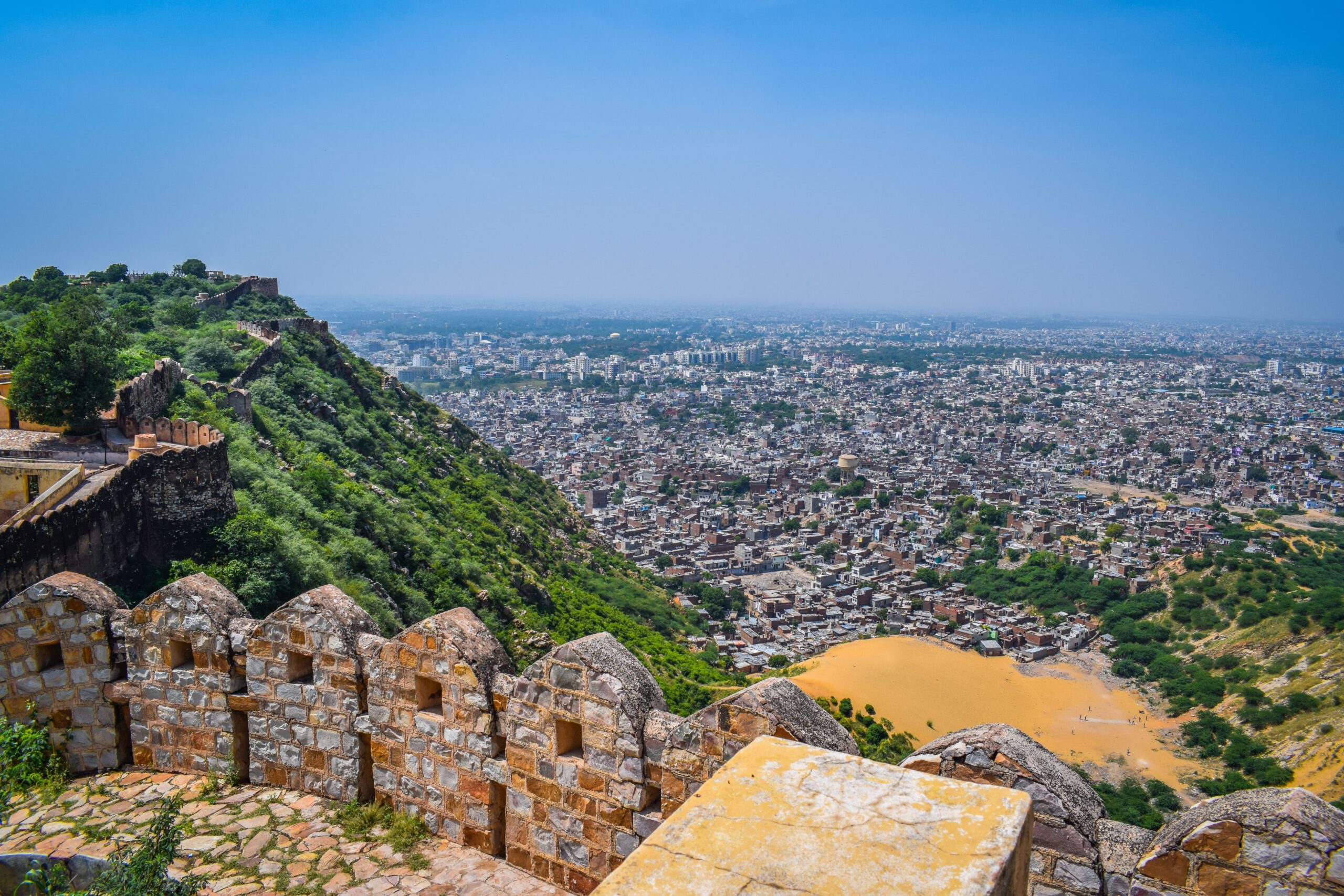
Known as the Pink City of India, Jaipur is one of the country’s most popular tourist destinations, famous for its magnificent forts, royal palaces, vibrant bazaars, rich cultural heritage, and delicious Rajasthani cuisine. As the capital of Rajasthan and an important part of India’s Golden Triangle tourist circuit, Jaipur attracts millions of travelers every year. Whether you’re a history lover, a foodie, a shopping enthusiast, or someone looking for a relaxing weekend getaway, Jaipur offers a memorable experience for every kind of traveler.
If you’re planning a trip to Jaipur, one of the first questions you’ll probably ask is, “How much will a 3-day Jaipur trip cost?” The answer depends on several factors, such as your mode of transportation, accommodation, food preferences, sightseeing plans, local travel, and shopping budget. The good news is that Jaipur caters to every budget. From affordable hostels and budget hotels to luxurious heritage palaces, the city offers plenty of options for solo travelers, couples, families, and groups.
A 3-day itinerary is ideal for exploring Jaipur’s major attractions, including Amber Fort, Hawa Mahal, City Palace, Jantar Mantar, Nahargarh Fort, Jal Mahal, Albert Hall Museum, and Birla Temple. You can also spend time shopping in the city’s colorful markets and tasting authentic Rajasthani dishes like Dal Baati Churma, Pyaaz Kachori, and Ghewar.
3-Day Jaipur Budget Overview
One of the best things about planning a trip to Jaipur is that the city offers experiences for every budget. Whether you’re a backpacker looking to keep costs low, a couple seeking a comfortable vacation, or someone who wants to experience Rajasthan’s royal heritage in luxury, Jaipur has accommodation, transportation, dining, and sightseeing options to suit every traveler.
The total cost of your 3-day Jaipur trip mainly depends on five factors:
- How you travel to Jaipur (train, bus, flight, or private car)
- The type of accommodation you choose
- Your preferred mode of local transportation
- Your dining preferences
- How much you spend on shopping and optional activities
A traveler staying in hostels, using public transport, and eating at local restaurants can comfortably explore Jaipur on a modest budget. On the other hand, choosing heritage hotels, private taxis, premium restaurants, and luxury shopping can significantly increase your overall expenses.
Budget Traveler (₹6,000–₹12,000)
If you’re looking to explore Jaipur without spending too much, this budget range is ideal. It’s perfect for solo travelers, backpackers, students, and anyone who prefers affordable travel without missing out on the city’s major attractions.
A budget traveler can save money by:
- Traveling by sleeper or AC train, government bus, or low-cost flight deals.
- Staying in hostels, guesthouses, or budget hotels.
- Eating at local restaurants and enjoying Jaipur’s famous street food.
- Using shared autos, public buses, or the Jaipur Metro where available.
- Visiting free attractions like Jal Mahal (outside view), Patrika Gate, and local markets.
- Even on a limited budget, you’ll be able to explore Jaipur’s famous forts, palaces, temples, and bazaars while enjoying authentic Rajasthani cuisine.
Mid-Range Traveler (₹18,000–₹35,000)
This budget is ideal for couples, families, and travelers who want a balance between comfort and affordability.
With this budget, you can enjoy:
- Comfortable 3-star or boutique hotels.
- Air-conditioned rooms with breakfast included.
- App-based cabs or private taxis for sightseeing.
- Meals at well-rated restaurants and cafés.
- Entry to most major tourist attractions.
- Moderate shopping for souvenirs, handicrafts, textiles, or traditional jewelry.
- A mid-range budget allows you to travel comfortably without compromising on the overall experience.
Luxury Traveler (₹45,000+)
If you want to experience Jaipur like royalty, a luxury budget offers some unforgettable experiences. Jaipur is home to several heritage hotels and palace properties where you can enjoy world-class hospitality while experiencing the grandeur of Rajasthan.
A luxury trip may include:
- Stays at heritage palaces or five-star hotels.
- Fine dining featuring authentic Rajasthani and international cuisine.
- Private guided tours and chauffeur-driven vehicles.
- Spa treatments, cultural performances, and premium experiences.
- High-end shopping for gemstones, silver jewelry, designer ethnic wear, and luxury handicrafts.
- Although the overall cost is significantly higher, it provides an authentic royal experience that Jaipur is famous for.
Expense Breakdown by Category
1. Transportation
Transportation is usually one of the largest expenses, especially if you’re traveling from another state. The cost depends on your departure city and chosen mode of travel.
For example:
- Train travel is usually the most economical option.
- Volvo buses offer a comfortable and affordable journey.
- Flights save time but are more expensive, especially during weekends and holiday seasons.
- Traveling by private car is ideal for families or groups but includes fuel and toll charges.
- Booking tickets several weeks in advance can help you secure lower fares.
2. Accommodation
Hotels often account for a significant portion of your travel budget. Jaipur offers a wide variety of accommodation options, including hostels, guesthouses, boutique hotels, heritage properties, and luxury palace hotels.
Areas such as MI Road, Bani Park, Civil Lines, and Malviya Nagar offer hotels in different price ranges, making it easy to find accommodation that fits your budget.
3. Food Expenses
Food in Jaipur is surprisingly affordable. A simple breakfast at a local eatery may cost less than ₹100, while a traditional Rajasthani thali at a good restaurant usually ranges between ₹300 and ₹600.
If you’re interested in trying local specialties like Pyaaz Kachori, Dal Baati Churma, Ghewar, and Lassi, you can enjoy delicious meals without spending much.
Travelers who prefer cafés, rooftop restaurants, or fine dining should budget accordingly.
4. Local Transportation
Getting around Jaipur is relatively easy and budget-friendly. Popular options include:
- Auto-rickshaws
- App-based cabs
- Jaipur Metro
- Public buses
- Rental scooters and bikes
If your itinerary includes multiple attractions in a single day, hiring a cab for the entire day can often be more convenient and economical than booking several individual rides.
5. Sightseeing Costs
Most of Jaipur’s famous attractions charge a nominal entry fee. While some places like Birla Temple, Jal Mahal (viewpoint), and Patrika Gate are free to visit, monuments such as Amber Fort, City Palace, Hawa Mahal, and Jantar Mantar require paid tickets.
If you plan to visit several monuments, it’s a good idea to check whether combination tickets or online booking discounts are available, as they can help reduce your overall sightseeing expenses.
6. Shopping Budget
Shopping is optional but often becomes one of the highlights of a Jaipur trip. The city’s vibrant markets are famous for traditional handicrafts, block-printed textiles, blue pottery, gemstones, silver jewelry, mojaris, and home décor items.
If you’re shopping for souvenirs, setting aside ₹1,000–₹3,000 is usually sufficient. However, if you plan to purchase jewelry, carpets, or premium handicrafts, your shopping expenses can increase significantly.
Day 1 Detailed Budget Plan
Your first day in Jaipur is all about exploring the city’s most iconic historical landmarks while soaking in its royal charm. Most travelers begin their journey with Amber Fort, followed by nearby attractions such as Panna Meena Ka Kund, Jal Mahal, and Nahargarh Fort. Depending on your arrival time, you can also enjoy traditional Rajasthani cuisine and witness a beautiful sunset overlooking the Pink City.
Sightseeing Expenses
1. Amber Fort
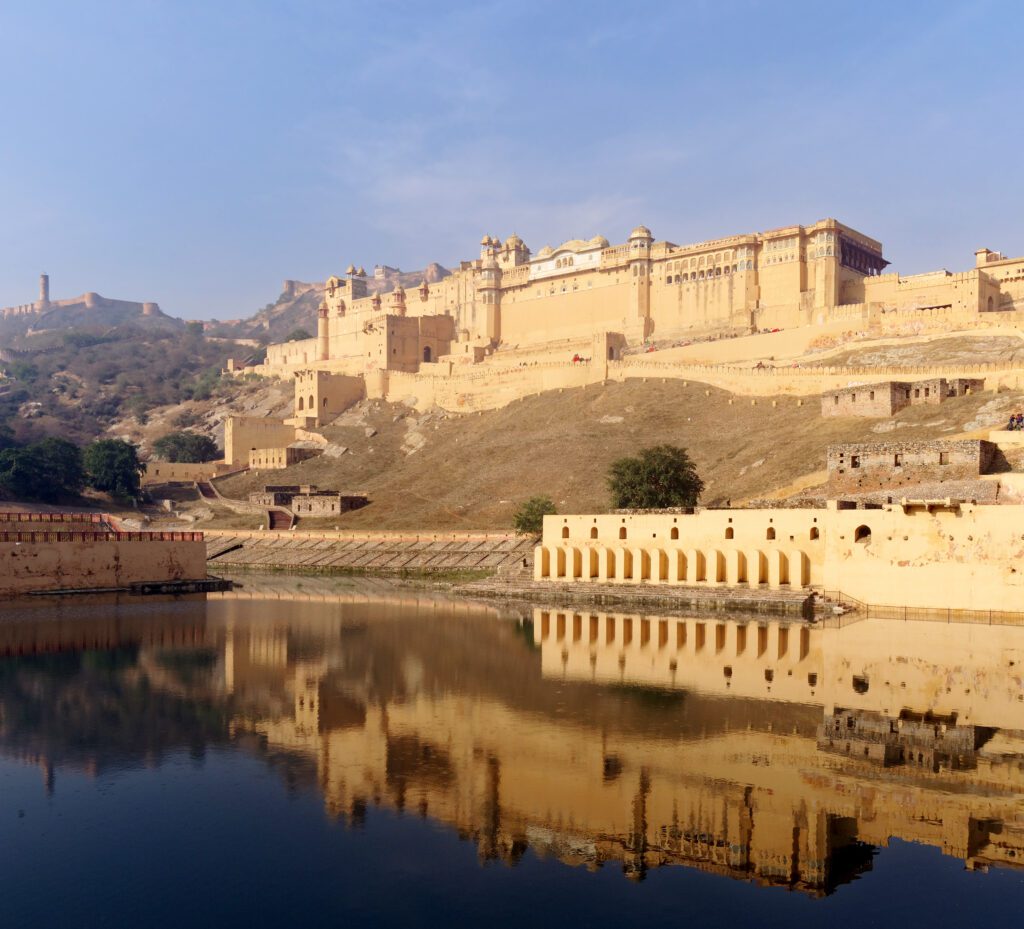
Your first major attraction should be the magnificent Amber Fort, located around 11 km from the city center. Built with red sandstone and marble, this UNESCO World Heritage Site is known for its grand courtyards, intricate carvings, Sheesh Mahal (Mirror Palace), and stunning hilltop views.
Approximate Entry Fee
- Indian Visitors: ₹100–₹200
- Foreign Visitors: ₹500–₹700
Additional optional activities:
- Jeep Ride
- Golf Cart Service
- Professional Guide
These services come at an extra cost and are optional.
Estimated Budget: ₹100–₹500
2. Panna Meena Ka Kund
Located near Amber Fort, this beautifully designed stepwell is one of Jaipur’s hidden gems. Its symmetrical staircases and peaceful surroundings make it a popular photography spot.
Entry Fee- Free
Estimated Time: 20–30 minutes
3. Jal Mahal
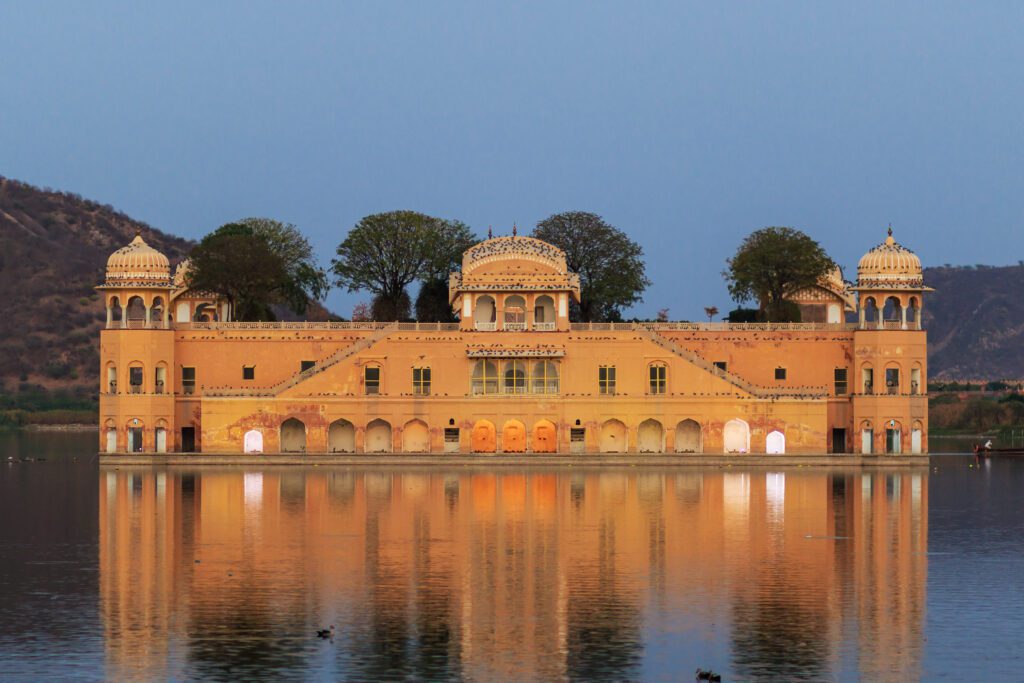
After Amber Fort, stop at Jal Mahal, the beautiful palace situated in the middle of Man Sagar Lake.
While visitors cannot enter the palace itself, the lakeside viewpoint offers spectacular photo opportunities.
Entry Fee- Free
4. Nahargarh Fort
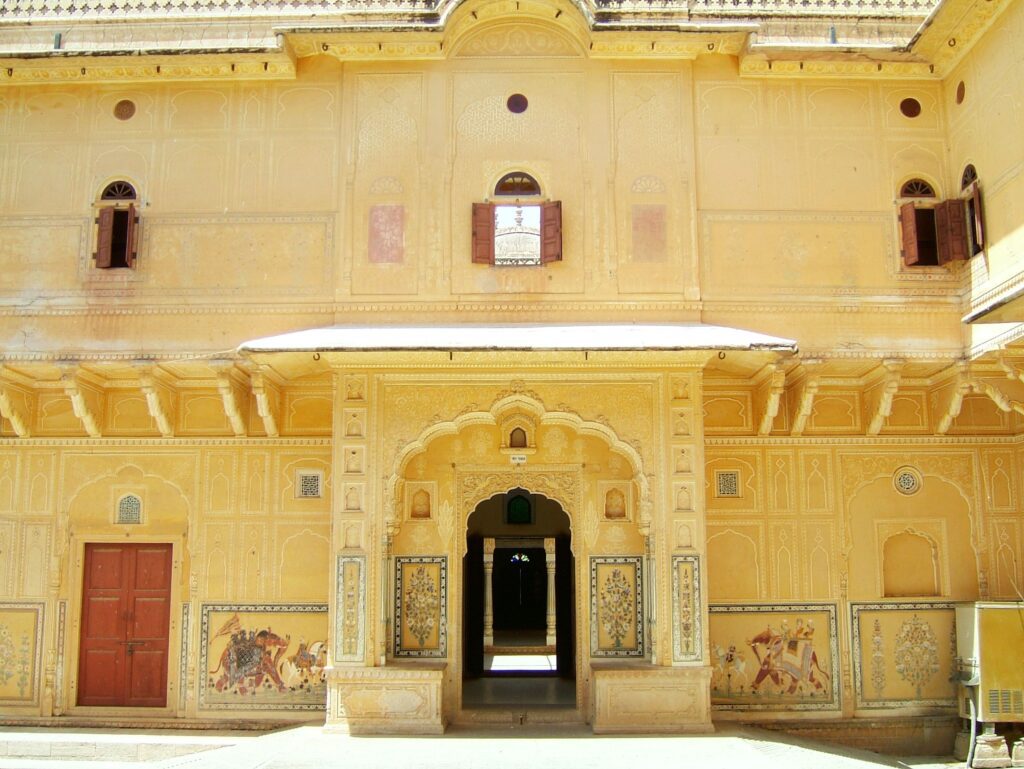
If time permits, visit Nahargarh Fort in the afternoon or evening. The fort offers breathtaking panoramic views of Jaipur, especially during sunset.
Entry Fee: ₹50–₹200
Day 2 Detailed Budget Plan
The second day of your Jaipur trip is dedicated to exploring the heart of the Pink City. Unlike the first day, which focuses on majestic hill forts, Day 2 takes you through Jaipur’s royal palaces, astronomical wonders, bustling markets, museums, and vibrant local culture. You’ll visit iconic attractions such as City Palace, Jantar Mantar, Hawa Mahal, and spend the evening shopping in Jaipur’s famous bazaars.
Most of these attractions are located close to one another within the old city, making Day 2 relatively economical in terms of local transportation. With proper planning, you can comfortably cover all the major sites while staying within your travel budget.
1. Hawa Mahal
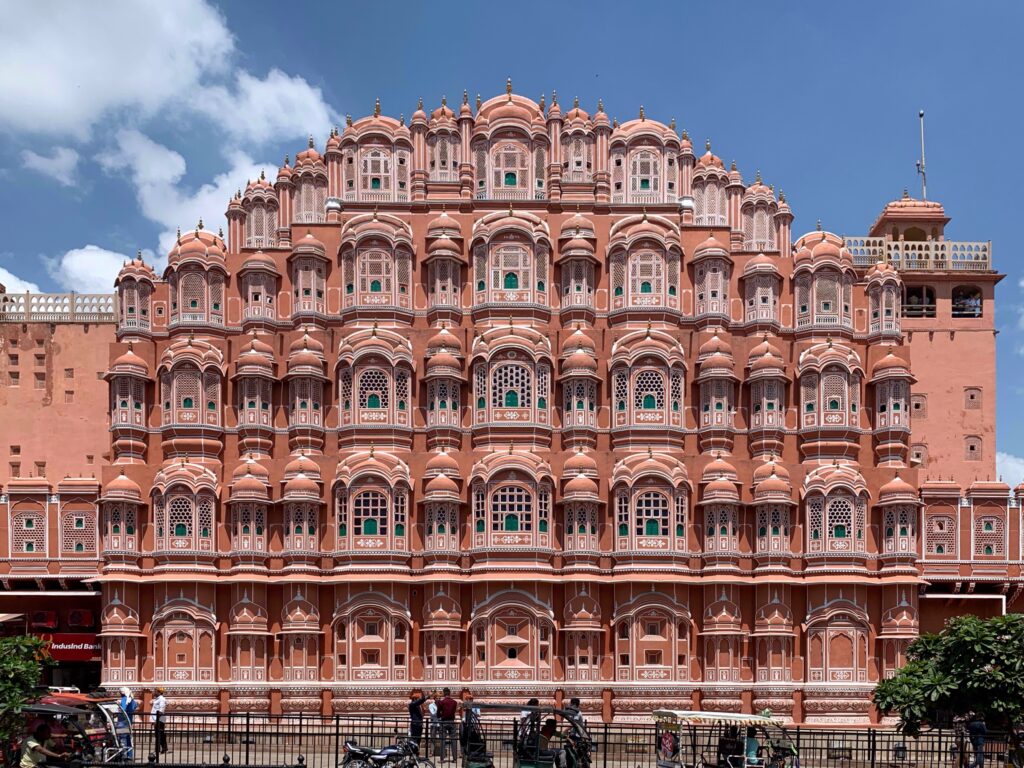
Head to the iconic Hawa Mahal, one of Jaipur’s most recognizable landmarks. Built in 1799, this five-story palace is famous for its intricate honeycomb-style windows, designed to allow royal women to observe street festivities while maintaining privacy.
Visitors can explore the beautifully designed corridors, balconies, and upper floors, which offer panoramic views of Jaipur’s bustling streets and nearby monuments.
Entry Fee (Approximate)
- Indian Visitors: ₹50–₹100
- Foreign Visitors: ₹200–₹300
Time Required: 45 minutes to 1 hour
Estimated Budget: ₹100–₹300
2. City Palace
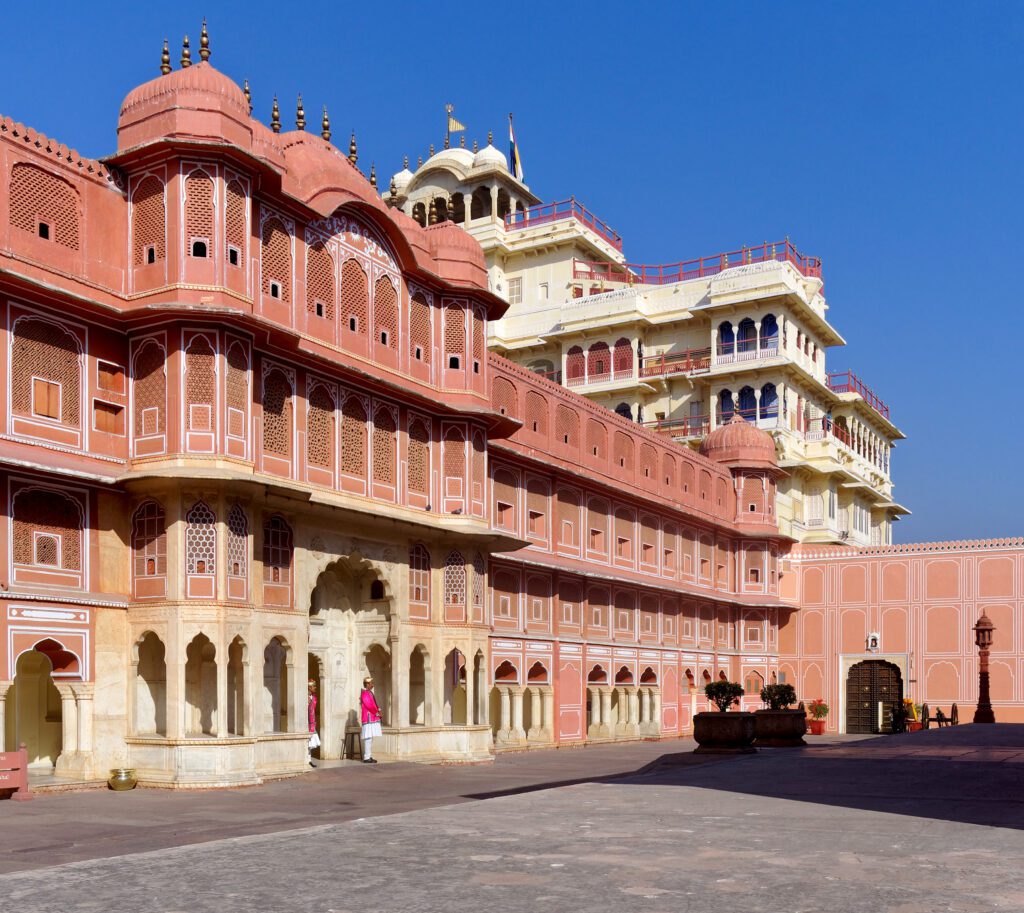
Located within walking distance of Hawa Mahal, the magnificent City Palace is one of Jaipur’s most important historical attractions. The palace complex showcases a remarkable blend of Rajput, Mughal, and European architecture and houses museums, royal courtyards, galleries, and beautifully decorated gates.
Visitors can admire royal costumes, weapons, paintings, manuscripts, and artifacts that reflect Jaipur’s regal heritage.
Entry Fee:
The City Palace offers different ticket categories depending on the areas you wish to explore.
Approximate Cost:
- Standard Entry: ₹300–₹500
- Premium Experiences: ₹2,000+ (Optional)
Recommended Budget: ₹300–₹500
Time Required- 1.5–2 hours
3. Jantar Mantar
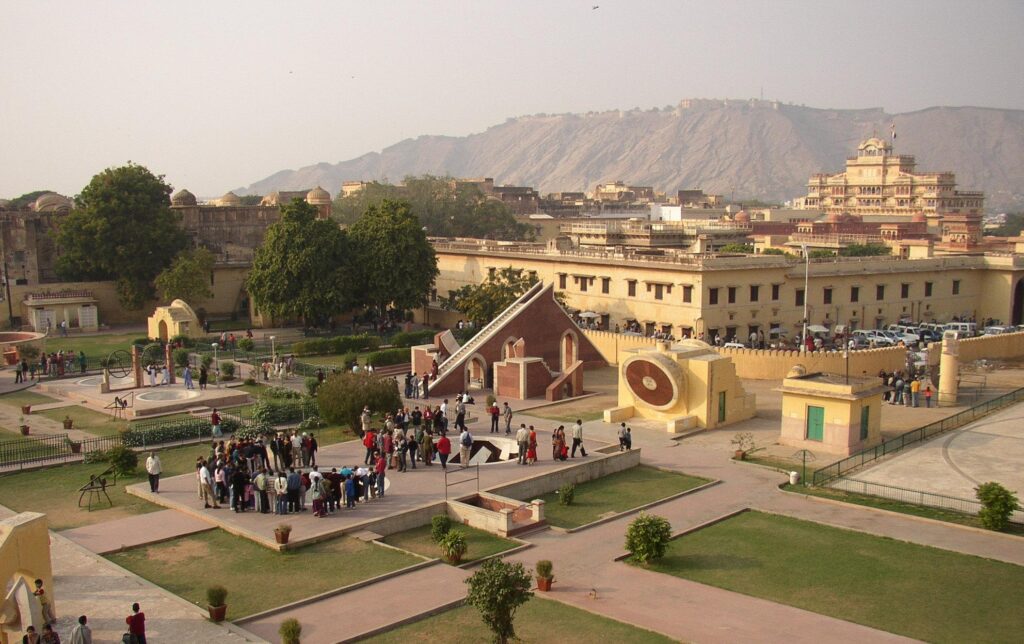
Situated next to the City Palace, Jantar Mantar is a UNESCO World Heritage Site and one of the world’s largest astronomical observatories. Built by Maharaja Sawai Jai Singh II, it features massive astronomical instruments that were used to measure time, track celestial bodies, and predict astronomical events with remarkable accuracy.
It’s a must-visit destination for history enthusiasts, architecture lovers, and anyone interested in ancient Indian science.
Entry Fee:
Approximate Cost:
- Indian Visitors: ₹50–₹100
- Foreign Visitors: ₹200–₹300
Time required– 45 minutes to 1 hour
Estimated Budget: ₹100–₹300
Day 3 Detailed Budget Plan
The final day of your Jaipur trip is the perfect opportunity to explore the city’s peaceful attractions, admire its architectural beauty, enjoy a relaxed morning, and purchase any last-minute souvenirs before heading home. Compared to the first two days, Day 3 is generally less hectic and more flexible, making it ideal for visiting museums, temples, gardens, and photography spots.
A well-planned third day can include attractions such as Albert Hall Museum, Birla Temple, Patrika Gate, and Jawahar Circle Garden. Depending on your departure schedule, you can also enjoy a leisurely lunch, visit a local café, or explore nearby markets before leaving Jaipur.
1. Albert Hall Museum
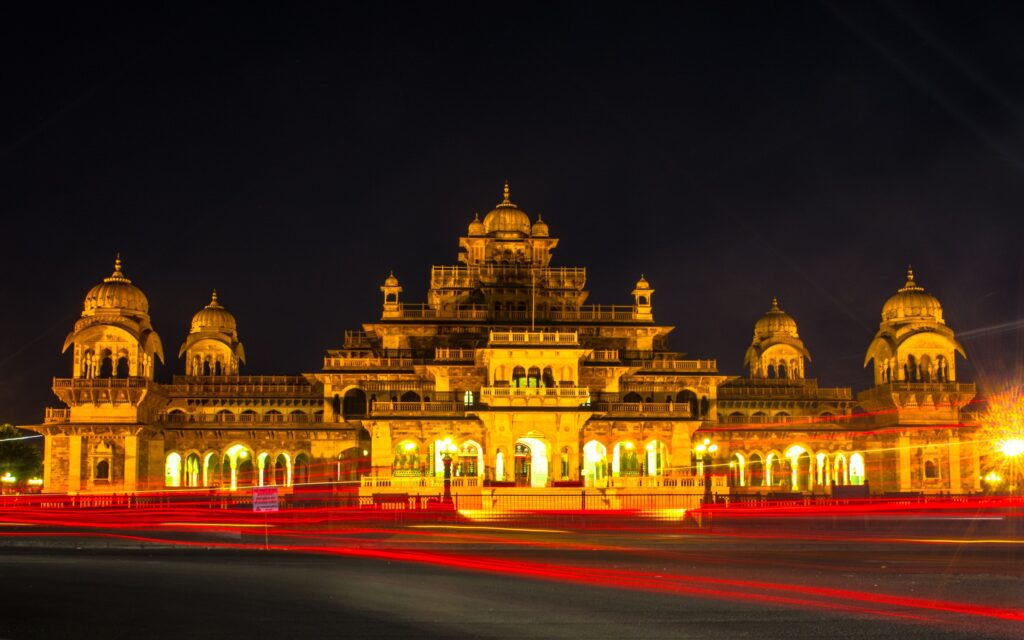
Your first destination can be the iconic Albert Hall Museum, Rajasthan’s oldest museum and one of Jaipur’s finest examples of Indo-Saracenic architecture. The museum houses an impressive collection of paintings, sculptures, coins, carpets, pottery, musical instruments, miniature paintings, and even an Egyptian mummy.
History enthusiasts can easily spend one to two hours exploring the museum’s fascinating exhibits.
Entry Fee (Approximate)
- Indian Visitors: ₹50–₹100
- Foreign Visitors: ₹300–₹500
Time Required: 1–2 hours
Estimated Budget: ₹100–₹300
2. Birla Temple
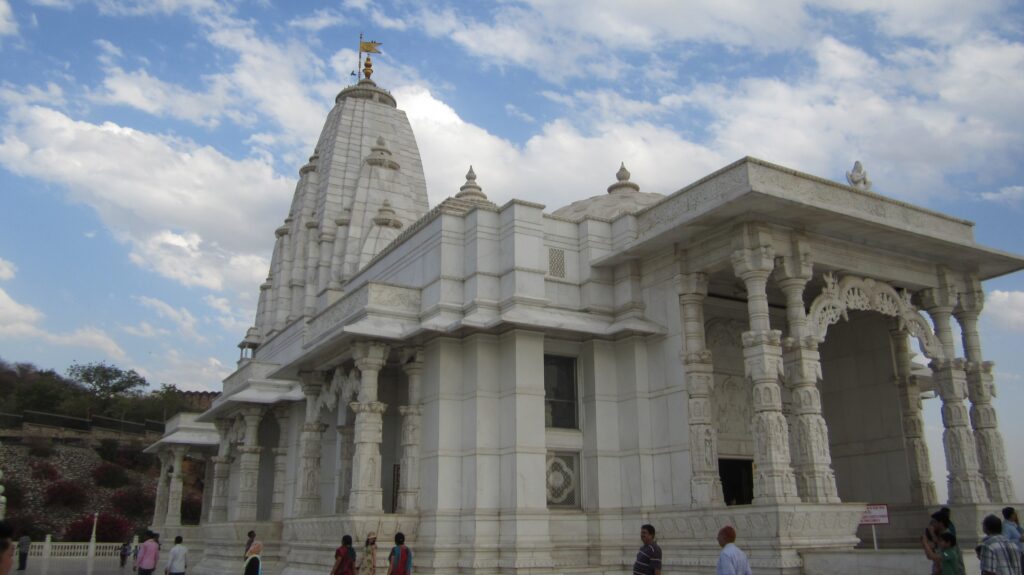
Located at the base of Moti Dungri Hill, Birla Temple is one of Jaipur’s most peaceful and beautifully maintained temples. Dedicated to Lord Vishnu and Goddess Lakshmi, the temple is built entirely from white marble and is admired for its elegant carvings and tranquil atmosphere.
Unlike many historical monuments, entry to Birla Temple is completely free.
- Entry Fee – Free
- Time required- 45 minutes to 1 hour
3. Patrika Gate & Jawahar Circle
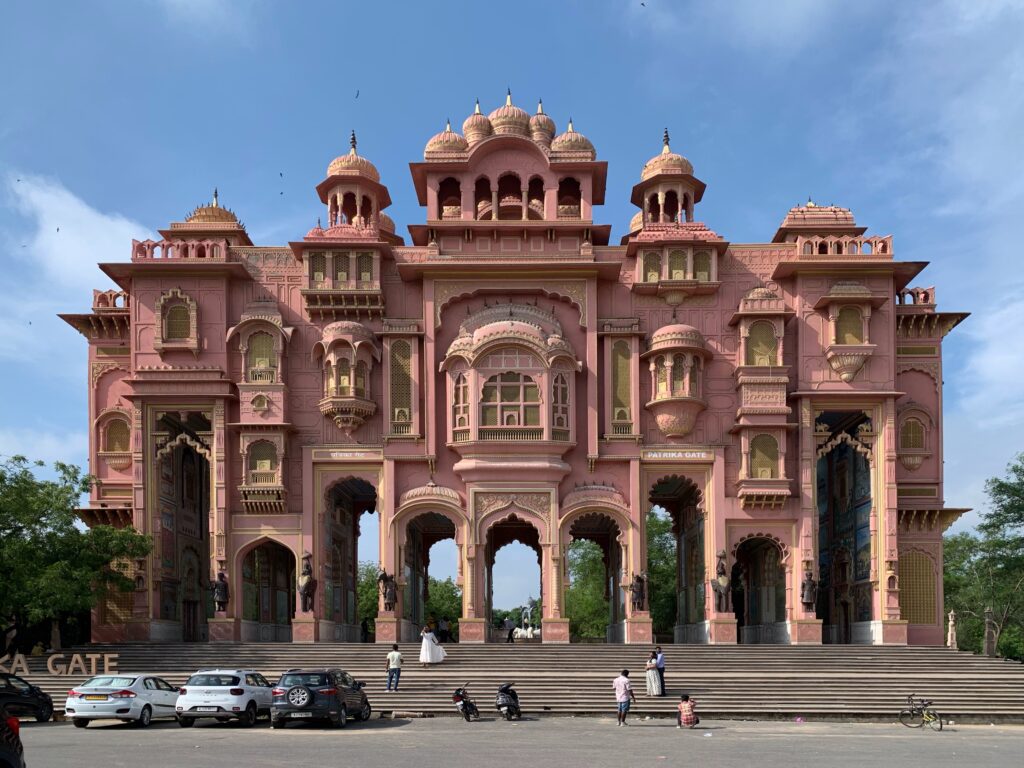
Next, head to Patrika Gate, one of Jaipur’s most Instagram-worthy landmarks. The colorful gateway beautifully showcases Rajasthan’s art, culture, architecture, and history through its intricate murals and paintings.
Adjacent to Patrika Gate is Jawahar Circle Garden, one of Asia’s largest circular parks. It is an excellent place to relax, take photographs, or enjoy a peaceful walk before concluding your Jaipur trip.
Entry Fee:
- Patrika Gate: Free
- Jawahar Circle Garden: Free
Budget
Photography and sightseeing are free, though you may wish to enjoy snacks or beverages nearby.
Estimated Budget: ₹50–₹150
Accommodation Budget in Jaipur
Accommodation is one of the biggest expenses you’ll incur while planning a trip to Jaipur. Fortunately, the Pink City offers a wide variety of stay options to suit every budget, ranging from affordable hostels and guesthouses to luxurious heritage hotels and five-star resorts. Whether you’re a solo backpacker, a couple on a romantic getaway, a family on vacation, or a group of friends exploring Rajasthan, you’ll find accommodation that matches both your travel style and budget.
The cost of staying in Jaipur depends on several factors, including the location, hotel category, travel season, amenities, and how early you make your reservation. Booking your accommodation in advance can help you save money, especially during the peak tourist season between October and March.
Here’s a detailed breakdown of accommodation costs and the types of stays available in Jaipur.
1. Budget Hostels
Budget hostels are an excellent option for solo travelers, backpackers, students, and digital nomads. They provide clean rooms, shared dormitories, and basic facilities at affordable prices while offering opportunities to meet fellow travelers.
Average Price- ₹800–₹2,000 per night
2. Mid-Range Hotels
Mid-range hotels provide a comfortable stay with better amenities, spacious rooms, and convenient locations. Many of these hotels also include complimentary breakfast, making them a popular choice among families and couples.
Average Price: ₹2,500–₹5,000 per night
3. Heritage Hotels
One of Jaipur’s biggest attractions is the opportunity to stay in a royal heritage property. Many former palaces, mansions, and havelis have been converted into beautiful heritage hotels that allow guests to experience Rajasthan’s royal lifestyle.
These hotels feature traditional architecture, antique interiors, landscaped courtyards, and exceptional hospitality.
Average Price: ₹6,000–₹20,000+ per night
4. Luxury Hotels & Resorts
Jaipur is home to several premium hotels and luxury resorts that provide world-class hospitality. These properties offer spacious suites, gourmet dining, spa treatments, private pools, and personalized services.
Average Price: Average Price
Best Areas to Stay in Jaipur
Choosing the right location can save both time and transportation costs.
1. MI Road
MI Road is one of the most convenient areas for tourists. It offers excellent connectivity, restaurants, shopping centers, and hotels in every price range.
Ideal For:
- First-time visitors
- Families
- Business travellers
2. Bani Park
Bani Park is known for its peaceful surroundings and budget-friendly accommodations. It is located close to Jaipur Railway Station and offers easy access to major tourist attractions.
Ideal For:
- Budget travelers
- Backpackers
- Families
3. Civil Lines
Civil Lines is a premium residential area with spacious hotels, boutique properties, and a quieter environment.
Ideal For:
- Couples
- Business travelers
- Luxury tourists
4. Malviya Nagar
Located near Jaipur International Airport, Malviya Nagar is a good option for travelers arriving by air. It also has shopping malls, restaurants, and modern hotels.
Ideal For:
- Air travelers
- Families
- Short stays
5. Pink City (Old Jaipur)
Staying within the historic Pink City allows easy access to attractions like Hawa Mahal, City Palace, and Jantar Mantar.
Ideal For:
- Sightseeing
- Cultural experiences
- Photography enthusiasts
Tips to Save Money on Accommodation
- Book your hotel early to take advantage of discounted prices.
- Compare rates across multiple hotel booking platforms before making a reservation.
- Travel during the off-season (July to September) when hotel prices are generally lower.
- Choose accommodations that include complimentary breakfast to reduce food expenses.
- Stay near major attractions or metro stations to save on local transportation.
- If traveling with friends or family, book a family room instead of multiple separate rooms.
- Look for hotels offering free cancellation and flexible booking options.
- Read recent guest reviews to ensure the property offers good value for money.
- Consider hostels or guesthouses if you’re traveling solo and want to keep costs low.
Transportation Cost to Jaipur (Train, Flight, Bus & Car)
Transportation is one of the most important factors that determines your overall Jaipur trip budget. The amount you spend on reaching Jaipur depends on your departure city, preferred mode of travel, travel season, and how early you book your tickets. Fortunately, Jaipur is one of the best-connected cities in India and can be reached conveniently by train, flight, bus, or private car.
For travelers coming from nearby cities such as Delhi, Agra, Chandigarh, Udaipur, Jodhpur, or Ahmedabad, trains and buses are usually the most economical options. Travelers from distant cities like Mumbai, Bengaluru, Chennai, Kolkata, Hyderabad, or Kochi often prefer flights to save time. If you’re traveling with family or a group of friends, driving your own car can also be a comfortable and cost-effective choice.
Below is a detailed breakdown of transportation costs for different travel options.
1. Traveling to Jaipur by Train
The train is one of the cheapest and most convenient ways to reach Jaipur. The city is well connected to major Indian cities through an extensive railway network, with regular trains operated by Indian Railways.
Jaipur Junction Railway Station is centrally located, making it easy to reach hotels and tourist attractions by auto-rickshaw, taxi, or metro.
Advantages
- One of the most budget-friendly travel options.
- Comfortable overnight journey for long-distance travelers.
- Multiple train options available daily.
- Convenient arrival at the city center.
Budget Estimate
₹300–₹3,000 per person, depending on the class of travel and departure city.
2. Traveling to Jaipur by Flight
If you want to save time, flying is the fastest way to reach Jaipur. Jaipur International Airport is well connected with major Indian cities through direct and connecting flights.
The airport is located approximately 12 km from the city center, and taxis, app-based cabs, and airport buses are readily available.
Advantages
- Fastest mode of travel.
- Ideal for travelers with limited time.
- Multiple daily flights from major cities.
- Comfortable and convenient.
Budget Estimate
Including airport transfer, expect to spend approximately ₹2,500–₹10,500 per person.
Money-Saving Tip
Book your flight 30–60 days in advance and avoid weekends, festivals, and holiday periods for the best fares.
3. Traveling to Jaipur by Bus
Bus travel is another economical option, particularly for travelers from nearby states. Both government-operated and private buses run regularly to Jaipur.
Travelers can choose from standard buses, semi-sleeper coaches, sleeper buses, Volvo buses, and luxury AC coaches.
Advantages
- Budget-friendly.
- Frequent departures.
- Easy online booking.
- Suitable for short-distance travel.
Budget Estimate: ₹300–₹2,500 per person
4. Traveling to Jaipur by Private Car
A road trip to Jaipur is an excellent option for families, couples, or groups of friends. Jaipur is connected to major cities through well-maintained national highways, making self-driving both convenient and enjoyable.
For example, the drive from Delhi to Jaipur via the Delhi–Mumbai Expressway and NH48 is one of the most popular road trips in North India.
Total Estimated Cost: ₹3,000–₹5,500 per vehicle
If four people travel together, the transportation cost per person comes to approximately ₹750–₹1,400, making it an economical choice.
Advantages
- Flexible travel schedule.
- Scenic road journey.
- Convenient for families and groups.
- No luggage restrictions.
- Easy access to nearby attractions around Jaipur.
Things to Consider
- Fuel prices.
- Toll charges.
- Parking fees.
- Driver fatigue during long journeys.
Tips to Save Money on Transportation
- Book train or flight tickets as early as possible to secure lower fares.
- If traveling from nearby cities, consider trains or Volvo buses instead of flights.
- Compare prices across different booking platforms before making reservations.
- Travel during weekdays or the off-season when fares are generally lower.
- If you’re traveling with family or friends, consider driving to Jaipur and splitting the fuel and toll costs.
- Use Jaipur Metro and auto-rickshaws for short distances instead of relying exclusively on taxis.
- Hire a cab for the entire day only if you plan to visit multiple attractions spread across the city.
- Keep some cash for local transport, as smaller auto-rickshaws may not always accept digital payments.
Which Mode of Transport is Best?
The ideal mode of transportation depends on your budget and travel priorities:
- Train: Best for budget-conscious travelers looking for an affordable and comfortable journey.
- Flight: Ideal for travelers who want to save time and reach Jaipur quickly.
- Bus: A cost-effective option for short-distance travel from nearby cities.
- Private Car: Perfect for families and groups who value flexibility and comfort.
Choosing the right mode of transportation can significantly impact your overall travel budget. By booking early, comparing fares, and selecting the option that best suits your itinerary, you can reduce travel expenses and make your 3-day Jaipur trip both convenient and economical.
Best Time to Visit Jaipur
Jaipur is a year-round tourist destination, but the overall experience can vary significantly depending on the season you choose to visit. The city’s climate ranges from cool and pleasant winters to extremely hot summers and refreshing monsoon months. Choosing the right time to visit not only enhances your sightseeing experience but also helps you manage your travel budget, as hotel rates, flight fares, and tourist crowds change throughout the year.
Whether you’re planning a budget-friendly vacation, a family holiday, a honeymoon, or a photography trip, understanding Jaipur’s seasonal weather can help you make the most of your visit.
1. Winter Season (October to March) – Best Time to Visit
Winter is considered the best time to visit Jaipur. During these months, the weather remains cool and pleasant, making it comfortable to explore the city’s forts, palaces, gardens, and local markets.
Temperature
- Daytime: 20°C to 28°C
- Night: 8°C to 15°C
The comfortable climate allows visitors to spend the entire day sightseeing without worrying about excessive heat. This is also the best season for walking through Jaipur’s historic streets, visiting outdoor attractions, and enjoying rooftop restaurants.
Why Visit During Winter?
- Pleasant weather for sightseeing.
- Ideal for exploring Amber Fort, Nahargarh Fort, Hawa Mahal, and City Palace.
- Perfect for shopping in Bapu Bazaar and Johari Bazaar.
- Comfortable evenings for cultural performances and local food tours.
- Best season for photography and heritage walks.
Budget Considerations
Since this is the peak tourist season, accommodation and transportation prices are generally higher.
- Hotels may charge 20–50% more than usual.
- Flight fares increase, especially around Christmas, New Year, and long weekends.
- Popular attractions can be crowded, so booking hotels and tickets in advance is recommended.
2. Summer Season (April to June)
Summer in Jaipur is extremely hot, with temperatures often crossing 40°C, particularly during May and June. The scorching afternoon heat can make sightseeing challenging, especially at outdoor attractions.
Temperature
- Daytime: 35°C to 45°C
- Night: 25°C to 30°C
Although summer is not considered the ideal season for tourism, it can be an excellent choice for budget-conscious travelers.
Why Visit During Summer?
- Hotels offer attractive discounts.
- Flights and train tickets are generally cheaper.
- Tourist attractions are less crowded
- Better deals on tour packages and accommodation.
Budget Advantages
Travelers can save a considerable amount during the summer season.
Typical savings include:
- Hotel discounts of 30–60%
- Lower airfare and transportation costs
- Reduced package prices
Travel Tips
- Begin sightseeing early in the morning.
- Avoid outdoor activities between 12 PM and 4 PM.
- Carry sunscreen, sunglasses, and a hat.
- Drink plenty of water to stay hydrated.
- Wear lightweight cotton clothing.
Summer is best suited for travelers whose primary goal is to reduce travel expenses rather than enjoy ideal weather conditions.
3. Monsoon Season (July to September)
The monsoon season transforms Jaipur into a greener and more refreshing destination. Although rainfall is generally moderate, occasional showers bring relief from the summer heat and create beautiful landscapes around the city’s forts and gardens.
Temperature
- Daytime: 28°C to 35°C
- Night: 22°C to 27°C
The surrounding hills become lush, and attractions like Nahargarh Fort, Amber Fort, Jal Mahal, and the Aravalli Hills look especially beautiful after rainfall.
Why Visit During Monsoon?
- Pleasant weather compared to summer.
- Beautiful greenery and scenic landscapes.
- Fewer crowds at major attractions.
- Excellent opportunities for photography.
- Budget-friendly hotel prices.
Budget Advantages
Accommodation prices remain relatively affordable during the monsoon season.
Visitors can often find:
- Hotel discounts of 20–40%
- Lower flight fares
- Affordable travel packages
Things to Keep in Mind
- Carry an umbrella or raincoat.
- Wear comfortable waterproof footwear.
- Keep electronics protected from rain.
- Check the weather forecast before visiting outdoor attractions.
Cheapest Time to Visit Jaipur
If you’re traveling on a tight budget, the monsoon season (July to September) and the early summer months (April) are the most economical times to visit Jaipur.
During these months, travelers can enjoy:
- Lower hotel prices.
- Discounted flight fares.
- Better deals on tour packages.
- Less crowded tourist attractions.
- Easier hotel availability.
While occasional rain or higher temperatures may require some planning, the overall savings can significantly reduce your trip budget.
Travel Tips for Every Season
- Book hotels and transportation early if you’re visiting between October and March.
- Carry warm clothing for winter evenings, as temperatures can drop considerably.
- Wear comfortable walking shoes since Jaipur’s forts and markets require a fair amount of walking.
- Stay hydrated throughout the year, especially during summer.
- Carry sunscreen, sunglasses, and a hat for daytime sightseeing.
- Visit popular attractions early in the morning to avoid crowds and long queues.
- Check local festival dates before planning your trip, as they can affect hotel availability and prices.