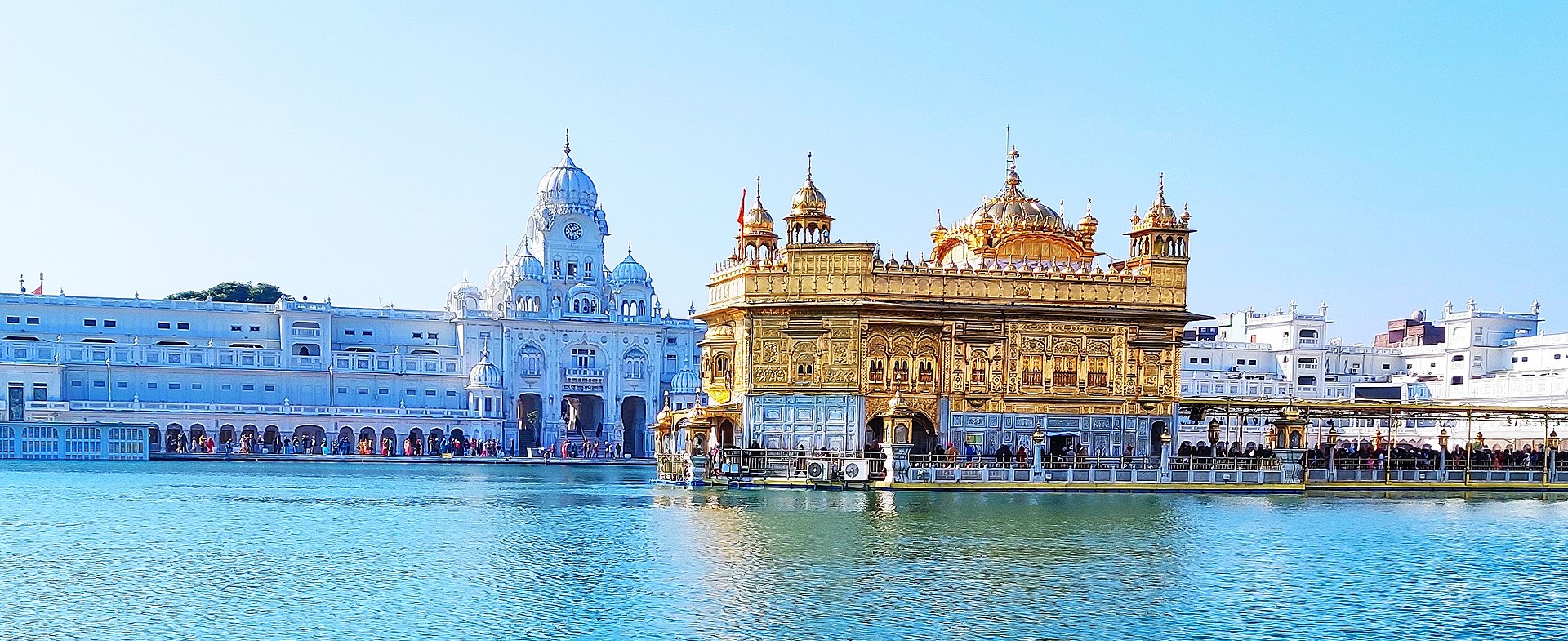
Jallianwala Bagh is one of the most important historical sites in India and a powerful reminder of the country’s struggle for independence. Located near the Golden Temple in Amritsar, Punjab, this memorial commemorates the innocent people who lost their lives during the tragic Jallianwala Bagh massacre of 13 April 1919.
The site holds a deeply emotional place in Indian history. What is now a peaceful memorial garden was once the scene of one of the darkest episodes of British colonial rule in India. On the occasion of Baisakhi, a large gathering of people had assembled at Jallianwala Bagh. Many had come to participate in the festival, while others had gathered to protest against the Rowlatt Act and the arrest of prominent nationalist leaders.
British troops under Brigadier-General Reginald Edward Harry Dyer entered the enclosed garden and opened fire on the unarmed gathering. The firing continued for several minutes, creating panic among the crowd. The narrow entrance made escape difficult, and several people attempted to save themselves by jumping into a well within the compound.
Today, Jallianwala Bagh has been preserved as a national memorial. Visitors can see historical structures, the Martyrs’ Well, preserved bullet marks, memorial sculptures and an eternal flame. The site provides an opportunity to understand the sacrifices made during India’s freedom movement and to reflect on the human cost of colonial oppression.
A visit to Jallianwala Bagh is not simply a sightseeing experience. It is a journey into India’s past and an opportunity to pay tribute to the people who sacrificed their lives for the country’s freedom.
History of Jallianwala Bagh
The history of Jallianwala Bagh is closely connected with India’s struggle for independence. The massacre that occurred here in April 1919 shocked the country and attracted widespread condemnation of British colonial rule.
Background of the Jallianwala Bagh massacre
During British rule, Indians faced numerous restrictions and political injustices. In 1919, the British government introduced the Rowlatt Act, which allowed authorities to detain people suspected of revolutionary activities without a regular trial.
The Act caused widespread anger across India. Many Indians believed that it violated their civil liberties and denied them basic rights. Protests and public meetings were organised in several cities, including Amritsar.
The situation became particularly tense in Punjab following the arrest of prominent local leaders Dr. Saifuddin Kitchlew and Dr. Satyapal. Their arrests led to protests, and British authorities responded with strict measures.
What happened on 13 April 1919?
On 13 April 1919, thousands of people gathered at Jallianwala Bagh. The date coincided with Baisakhi, an important harvest festival celebrated in Punjab. Some people had assembled to participate in the festival, while others had gathered for a public meeting to protest against British policies.
Brigadier-General Reginald Edward Harry Dyer arrived at the garden with armed troops. The gathering took place in an enclosed area with limited exits. Dyer ordered his soldiers to open fire on the crowd without issuing an effective warning that would have allowed the people to disperse.
The soldiers continued firing for approximately ten minutes, directing their shots towards the densely packed crowd and areas where people were attempting to escape. Many people were killed, while numerous others suffered injuries. Some people jumped into a well inside the garden in an attempt to escape the gunfire.
The enclosed layout of the garden and the limited escape routes made it extremely difficult for the crowd to flee.
How many people died in the massacre?
The official British figures recorded 379 deaths, although Indian estimates at the time were considerably higher. The actual number of people killed remains disputed, and the full scale of the tragedy may never be known with certainty.
Thousands of people were affected by the incident, including those who were injured, lost family members, or witnessed the violence.
Why was the massacre so important?
The Jallianwala Bagh massacre became a turning point in India’s independence movement. It destroyed much of the remaining trust that some Indians had placed in British promises of fair governance.
The incident generated anger throughout the country and encouraged more people to support the freedom struggle. Rabindranath Tagore renounced his British knighthood in protest, while Mahatma Gandhi increasingly pursued mass political action against British rule.
The massacre also became an international symbol of the violence and injustice associated with colonial rule.
Jallianwala Bagh after independence
After India gained independence in 1947, efforts were made to preserve the site as a memorial to the victims. The Jallianwala Bagh National Memorial Act was passed in 1951, providing a formal framework for the memorial.
Over the years, the garden has been developed into a place of remembrance, with memorial structures, preserved historical features, and displays that help visitors understand the massacre and its significance.
Today, Jallianwala Bagh stands as a reminder of the importance of freedom, human dignity, and the sacrifices made by those who fought for India’s independence.
Major Attractions inside Jallianwala Bagh
Jallianwala Bagh is more than a garden. Every preserved structure and memorial within the grounds carries historical meaning. Visitors should take their time exploring these places to understand the events of 1919 and remember the people who lost their lives.
1. Flame of Liberty Memorial
The Flame of Liberty is one of the most prominent features of Jallianwala Bagh. Its striking design symbolises the courage, sacrifice, and determination of the people who gave their lives during the massacre. It serves as a reminder that India’s freedom was achieved through immense sacrifice.
2. Martyrs’ Well
The Martyrs’ Well is one of the most heartbreaking parts of the memorial. During the firing, people desperately attempted to escape the bullets, and many jumped into the well. The site preserves the memory of those who lost their lives while trying to save themselves. Visitors should approach this area quietly and respectfully.
3. Bullet-Marked Walls
Sections of the garden’s walls preserve visible marks from the firing. These marks provide a direct physical connection to the events of 13 April 1919. Seeing them helps visitors understand the danger faced by the unarmed crowd and the difficulty of escaping from the enclosed garden.
4. Historic Entrance
The narrow entrance is an important part of the site’s history. The enclosed layout and restricted exit routes made it difficult for a large crowd to escape during the shooting. Walking through the entrance gives visitors a clearer understanding of the physical setting in which the tragedy occurred.
5. Martyrs’ Gallery
The gallery presents historical material related to the massacre and India’s freedom movement. Photographs, displays, and explanatory information help visitors understand the political circumstances, the suffering of the victims, and the national response to the incident. Check the current gallery opening hours before planning your visit.
6. Amar Jyoti – Eternal Flame
The eternal flame represents the lasting memory of the martyrs. It is a symbol of respect for those who lost their lives and a reminder that their sacrifices remain part of India’s national history.
Jallianwala Bagh Entry Fee and Timings
Jallianwala Bagh is a popular stop for tourists visiting the Golden Temple and other historic sites in Amritsar. It is generally visited as a public memorial, and entry to the garden is free. However, timings can change due to maintenance, security arrangements, special occasions, or official instructions.
Visitor information Details
Entry fee Generally free
Garden opening hours Check current timings before visiting
Memorial gallery Separate operating hours may apply
Ideal visiting time Early morning or late afternoon
Time required 45–90 minutes
Best days to visit Weekdays for a potentially quieter experience
The Government of India’s Incredible India tourism page lists garden timings of 6:30 AM to 7:30 PM and gallery timings of 10 AM to 5 PM. These should be treated as indicative rather than guaranteed current hours. Confirm the latest schedule locally before travelling.
Travel tip: If you plan to visit both Jallianwala Bagh and the Golden Temple, go early in the day to allow enough time for security checks, walking, and sightseeing.
Best Time to Visit Jallianwala Bagh
The best time to visit Jallianwala Bagh is generally from October to March, when Amritsar’s weather is more comfortable for walking around the city.
1. October to March – Best overall season
Pleasant to cool weather makes it easier to explore the memorial, Golden Temple, local markets, and other historical attractions. December and January can be quite cold, particularly in the mornings and evenings.
2. April to June – Summer season
Amritsar can become very hot, especially in May and June. Choose early morning visits, carry drinking water, and avoid spending too much time outdoors during peak afternoon heat.
3. July to September – Monsoon season
Rain and humidity can affect outdoor sightseeing. Carry an umbrella or raincoat and check the weather forecast before leaving your accommodation.
Is 13 April a good day to visit?
13 April is the anniversary of the Jallianwala Bagh massacre and also coincides with Baisakhi in many years. The date holds special historical significance, and visitors may wish to pay tribute to the victims.
However, commemorative programmes, crowd levels, and security arrangements may differ from ordinary days. If you plan to visit on the anniversary, check official announcements in advance.
How to Reach Jallianwala Bagh
Jallianwala Bagh is situated in the old city of Amritsar, close to the Golden Temple. It is accessible by air, train, bus, taxi, and local transport.
1. By Air
The nearest airport is Sri Guru Ram Dass Jee International Airport, Amritsar. The airport is approximately 12–13 km from Jallianwala Bagh, depending on the route.
After landing, you can hire a taxi or use an app-based cab where available. Travel time depends on traffic and the condition of roads, but allow roughly 30–45 minutes for planning purposes.
2. By Train
Amritsar Junction is the main railway station serving the city. It is approximately 2 km from Jallianwala Bagh, although the actual distance and travel time depend on your exit point and route.
From the station, you can take an auto-rickshaw, taxi, or local transport. If you are travelling with luggage, a taxi is generally more convenient.
3. By Bus
Amritsar has bus services connecting it with Delhi, Chandigarh, Jalandhar, Ludhiana, and other cities. From the bus stand, you can take an auto-rickshaw or taxi to reach the memorial.
4. By Road
You can travel to Amritsar by car, taxi, or intercity bus. The city has road connections with major North Indian destinations.
Once you reach the old city, keep in mind that roads near the Golden Temple can be congested and some areas have restricted vehicle access. You may need to walk the final stretch to the entrance.
5. Local transport in Amritsar
- Auto-rickshaws: Useful for short journeys around the city.
- Taxis and app-based cabs: Convenient for airport transfers and longer trips.
- Walking: A practical option between Jallianwala Bagh and the Golden Temple.
- Local buses: Useful for selected routes, though walking or taxis may be more convenient for tourists visiting the old city.
Places to Visit near Jallianwala Bagh
One of the biggest advantages of visiting Jallianwala Bagh is its location. You can explore several important religious, cultural, and historical attractions during the same trip.
1. Golden Temple
Also known as Sri Harmandir Sahib, the Golden Temple is the most important pilgrimage site in Sikhism. Its golden architecture, sacred pool, peaceful atmosphere, and community kitchen make it a major attraction for visitors from around the world.
Why visit: To experience Sikh spiritual traditions, admire the architecture, and participate respectfully in the langar service.
2. Partition Museum
This museum documents the 1947 Partition of India through photographs, personal accounts, letters, objects, and stories of families affected by displacement.
Why visit: It provides deeper insight into the human impact of Partition and complements a visit to other historical sites in Amritsar.
3. Durgiana Temple
Durgiana Temple is an important Hindu temple dedicated primarily to Goddess Durga. Its architecture features a sacred water tank and design elements reminiscent of the Golden Temple.
Why visit: It is a worthwhile stop for those interested in religious architecture and Amritsar’s diverse spiritual traditions.
4. Gobindgarh Fort
This historic fort is associated with Maharaja Ranjit Singh and the history of Punjab. Depending on current operations, visitors may find exhibits and cultural activities within the complex.
Why visit: It adds another dimension to a trip focused on Punjab’s political, military, and cultural history.
5. Maharaja Ranjit Singh Museum
Located in the historic Ram Bagh area, this museum focuses on Maharaja Ranjit Singh and the Sikh Empire through historical displays and objects.
Why visit: It is a good choice for travellers who want to understand Punjab’s history beyond the colonial period.
6. Attari–Wagah Border
The border ceremony attracts visitors who want to witness the coordinated flag-lowering and marching display by Indian and Pakistani personnel.
Why visit: It offers a memorable experience connected with national identity and the history of the India–Pakistan border.
Tip: Plan this as a separate afternoon excursion and check entry procedures and ceremony timings before departure.
Where to Stay Near Jallianwala Bagh
Amritsar offers accommodation options for different budgets, from simple guesthouses to comfortable hotels and luxury properties. If your main purpose is to visit Jallianwala Bagh and the Golden Temple, staying in the old city can save travel time.
1. Budget accommodation
Budget hotels, guesthouses, and simple lodges are suitable for solo travellers, students, and families looking to control their expenses. Look for clean rooms, reliable reviews, and convenient access to the old city.
2. Mid-range hotels
These hotels usually offer private bathrooms, air conditioning, Wi-Fi, and additional conveniences. They are a good choice for families and couples who want comfort without spending too much.
3. Premium and luxury hotels
Premium properties may offer restaurants, room service, spacious rooms, parking, and concierge services. These are suitable for travellers who prefer a more comfortable stay.
Prices can rise significantly during festivals, holidays, and peak tourist seasons.
Tips for choosing accommodation
- Choose a hotel near the Golden Temple or the old city if you want to walk to Jallianwala Bagh.
- Confirm parking availability if travelling by car.
- Check whether the hotel is accessible by vehicle or located inside a pedestrian-restricted area.
- Read recent guest reviews before booking.
- Reserve accommodation early during Baisakhi, major Sikh festivals, and long weekends.
Important Travel Tips for Visitors
Keep these points in mind to make your visit comfortable, respectful, and informative.
1. Learn the history before visiting: Understanding the massacre makes the memorial more meaningful.
2. Allow enough time: Plan around 45–90 minutes rather than rushing through the garden.
3. Maintain silence and respect: Remember that this is a memorial to people who lost their lives.
4. Check current timings: The garden and gallery may follow different schedules.
5. Wear comfortable footwear: You may need to walk between nearby attractions.
6. Carry water in hot weather: Summer temperatures in Amritsar can be high.
7. Follow security instructions: Entry procedures and restrictions may change.
8. Respect photography rules: Check notices and staff instructions, particularly in the gallery and memorial areas.
9. Plan for traffic: The old city can become crowded, particularly during festivals and religious occasions.
10. Visit the Golden Temple respectfully: Cover your head, remove footwear where required, and follow the complex’s rules.
11. Check accessibility needs: If travelling with elderly people or visitors with mobility limitations, confirm access arrangements in advance.
12. Avoid treating the memorial as a picnic spot: Its primary purpose is remembrance and historical education.
Why Should You Visit Jallianwala Bagh?
Jallianwala Bagh is an important destination for anyone who wants to understand India’s history and the sacrifices made during the freedom movement.
1. Historical importance: The memorial preserves the memory of a major tragedy under British colonial rule and helps visitors understand the political circumstances that led to it.
2. Educational value: Students, teachers, and history enthusiasts can learn about the Rowlatt Act, the freedom struggle, and the impact of colonial violence.
3. National remembrance: The memorial provides an opportunity to pay tribute to the victims and reflect on the value of freedom and human dignity.
4. Convenient location: Its proximity to the Golden Temple and other historic sites makes it easy to include in an Amritsar sightseeing itinerary.
5. Meaningful family travel: A visit can encourage discussions about history, courage, peaceful protest, civil rights, and the importance of preserving historical heritage.
Conclusion
Jallianwala Bagh is one of India’s most important historical memorials. The events of 13 April 1919 changed the course of the freedom movement and remain a powerful reminder of the human cost of colonial oppression.
From the bullet-marked walls and Martyrs’ Well to the Flame of Liberty and the memorial gallery, every part of the site encourages visitors to remember the victims and appreciate the value of independence.
If you are planning a trip to Amritsar, include Jallianwala Bagh alongside the Golden Temple and other local attractions. Take time to understand its history, follow the memorial’s rules, and approach your visit with respect.
A visit to Jallianwala Bagh is not simply sightseeing; it is an opportunity to connect with India’s past, honour those who suffered, and reflect on the importance of freedom, peace, and human dignity.
Frequently Asked Questions About Jallianwala Bagh
Why is Jallianwala Bagh famous?
It is famous as the site of the Jallianwala Bagh massacre on 13 April 1919, when British troops fired on an unarmed gathering of Indians.
What happened at Jallianwala Bagh on 13 April 1919?
Thousands of people gathered at the enclosed garden on Baisakhi, including people attending a public meeting. Troops under Brigadier-General Reginald Dyer opened fire, killing and injuring many people.
What is the entry fee for Jallianwala Bagh?
Entry to the memorial garden is generally free. Check current visitor information for any changes or special arrangements.
What are the opening timings of Jallianwala Bagh?
Published tourism information lists garden hours of 6:30 AM to 7:30 PM, but timings may change. Verify the latest schedule before travelling.
How much time is needed to visit Jallianwala Bagh?
Around 45 minutes to 1.5 hours is usually sufficient to explore the principal memorial features and read the information displays.
How far is Jallianwala Bagh from the Golden Temple?
The two attractions are only a short walk apart, generally around 5–10 minutes depending on the entrance and route.
How many people died in the Jallianwala Bagh massacre?
The official British figure was 379 deaths. Indian estimates were higher, and the total number of victims remains disputed.
Is Jallianwala Bagh suitable for children?
Yes. It can be an educational visit for children, particularly school-age students. Parents should explain the historical events sensitively because the subject involves violence and loss of life.
What is the Martyrs' Well?
The Martyrs' Well is a preserved well inside the memorial where many people jumped while trying to escape the gunfire during the massacre.
What is the best month to visit Jallianwala Bagh?
October to March is generally comfortable for sightseeing. April can also be significant because the massacre anniversary falls on 13 April.
Can I visit Jallianwala Bagh and the Golden Temple on the same day?
Yes. They are located close to each other, so you can comfortably combine both visits in one day, allowing additional time for security checks and religious observances at the Golden Temple.
Is photography allowed inside Jallianwala Bagh?
Rules may differ by area. Follow current notices and instructions from the staff, especially inside galleries or restricted sections.
Is Jallianwala Bagh accessible by public transport?
Yes. Visitors can reach the area by taxi, auto-rickshaw, and other local transport from Amritsar Junction, the bus stand, and the airport. Some parts of the old city may require walking.
What other places can I visit near Jallianwala Bagh?
Popular nearby or same-day attractions include the Golden Temple, Partition Museum, Durgiana Temple, Gobindgarh Fort, Maharaja Ranjit Singh Museum, and Attari–Wagah Border.