
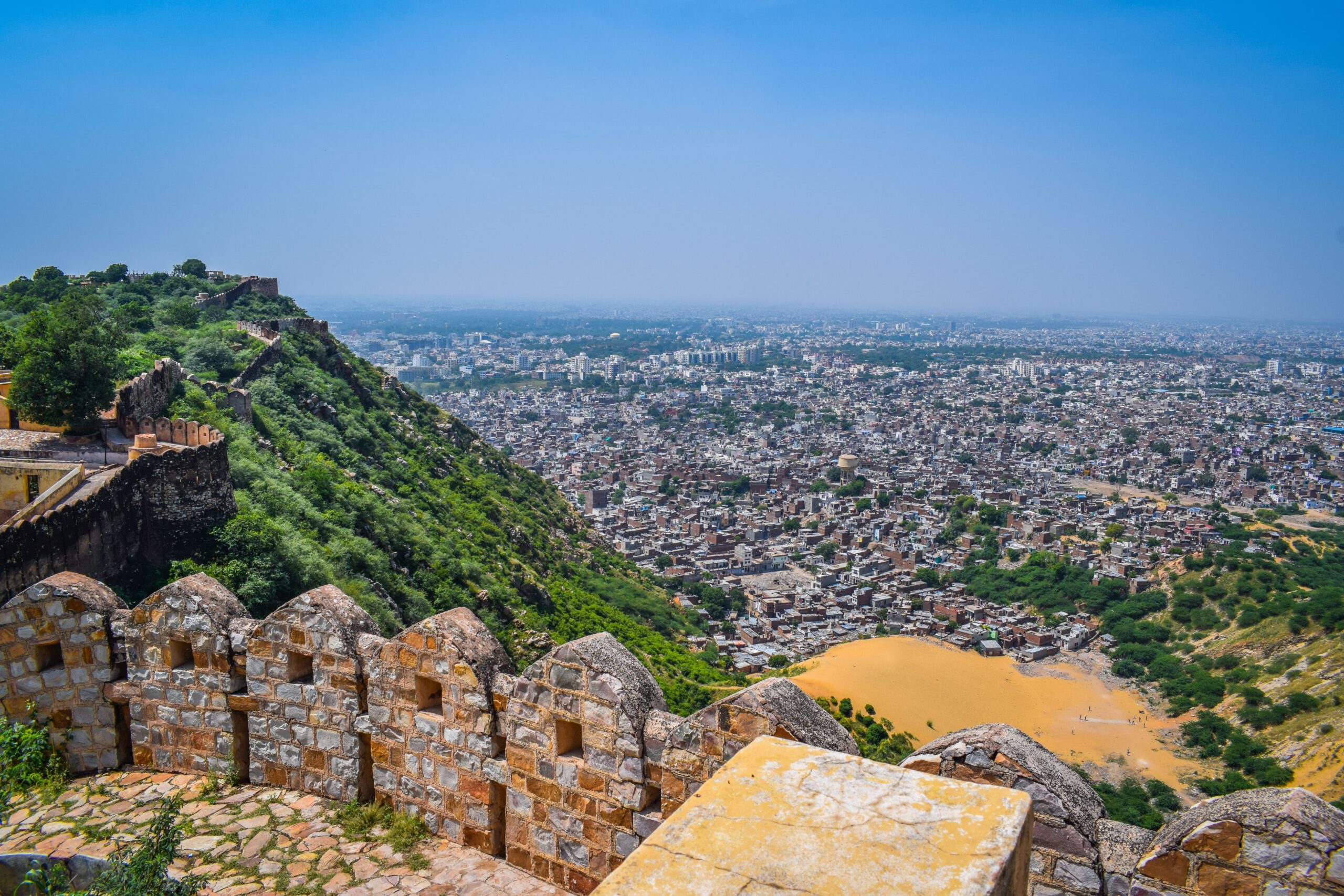
Jaipur, the capital of Rajasthan, is one of India’s most beautiful and culturally rich destinations. Popularly known as the Pink City, Jaipur attracts millions of travelers every year with its magnificent forts, royal palaces, colorful markets, traditional cuisine, and vibrant heritage. As part of India’s famous Golden Triangle tourist circuit, Jaipur offers a perfect blend of history, architecture, culture, and modern hospitality.
Whether you’re planning a family vacation, a romantic getaway, a solo adventure, or a budget trip with friends, Jaipur has something for everyone. From exploring grand forts perched on hilltops to shopping for traditional handicrafts and tasting authentic Rajasthani delicacies, every moment spent in Jaipur feels like stepping into a royal era.
This detailed 3-day Jaipur itinerary covers the best places to visit, hotel recommendations, transportation options, estimated travel costs, shopping spots, food recommendations, and useful travel tips to help you make the most of your trip.
Why Visit Jaipur?
Jaipur is one of the few cities in India where history and modernity coexist beautifully. The city is home to UNESCO World Heritage Sites, centuries-old palaces, bustling bazaars, and luxurious heritage hotels. Visitors can admire Rajput architecture, witness traditional folk performances, enjoy camel rides, and explore vibrant local markets filled with handicrafts and jewelry.
Some major reasons to visit Jaipur include:
- Magnificent forts and palaces
- Rich Rajput history and culture
- Delicious Rajasthani cuisine
- Affordable travel options
- Excellent shopping opportunities
- Family-friendly attractions
- Beautiful photography locations
- Easy connectivity from Delhi and other major cities
Day 1: Discover Jaipur’s Royal Heritage
Your first day in Jaipur should focus on exploring the city’s most iconic historical landmarks. Start early in the morning to avoid crowds and enjoy pleasant weather.
8:00 AM – Visit Amber Fort
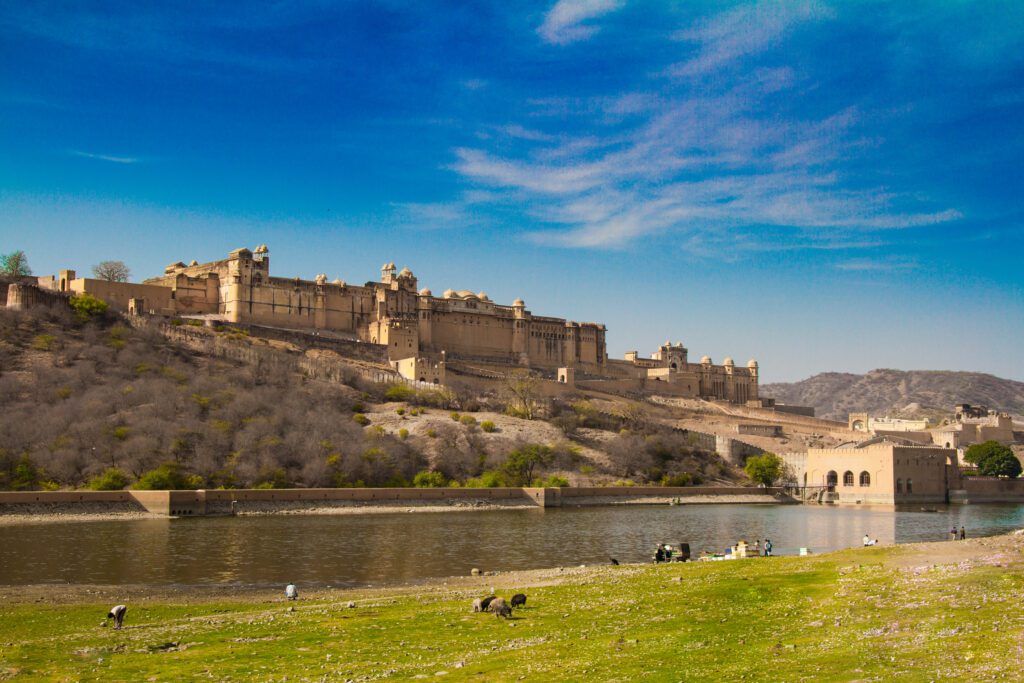
Begin your Jaipur journey with the majestic Amber Fort, located approximately 11 kilometers from the city center. Built in the 16th century by Raja Man Singh I, Amber Fort is one of Rajasthan’s most impressive architectural masterpieces.
Constructed using red sandstone and white marble, the fort showcases a perfect blend of Rajput and Mughal architectural styles. Situated atop a hill overlooking Maota Lake, the fort offers breathtaking views of the surrounding landscape.
Major Attractions inside Amber Fort
Sheesh Mahal (Mirror Palace)
The Sheesh Mahal is one of the most famous sections of the fort. Thousands of tiny mirror pieces decorate the walls and ceilings. Even a small flame or candle can illuminate the entire hall through reflections, demonstrating the remarkable craftsmanship of that era.
Ganesh Pol
Ganesh Pol serves as the grand entrance to the private royal chambers. Its colorful frescoes, intricate carvings, and detailed artwork make it one of the most photographed spots within the fort.
Diwan-e-Aam
This public audience hall was used by kings to interact with common citizens and address their concerns. The hall features beautiful pillars and open courtyards.
Diwan-e-Khas
The Hall of Private Audience was reserved for important meetings with royal guests and dignitaries.
Amber Fort Information
- Timings: 8:00 AM to 5:30 PM
Entry Fee:
- Indians: Approx. ₹100
- Foreign Tourists: Approx. ₹500
Time Required: 2–3 Hours
Travel Tip
Arrive early in the morning for cooler temperatures and fewer crowds. The morning sunlight also provides excellent photography opportunities.
11:00 AM – Panna Meena Ka Kund
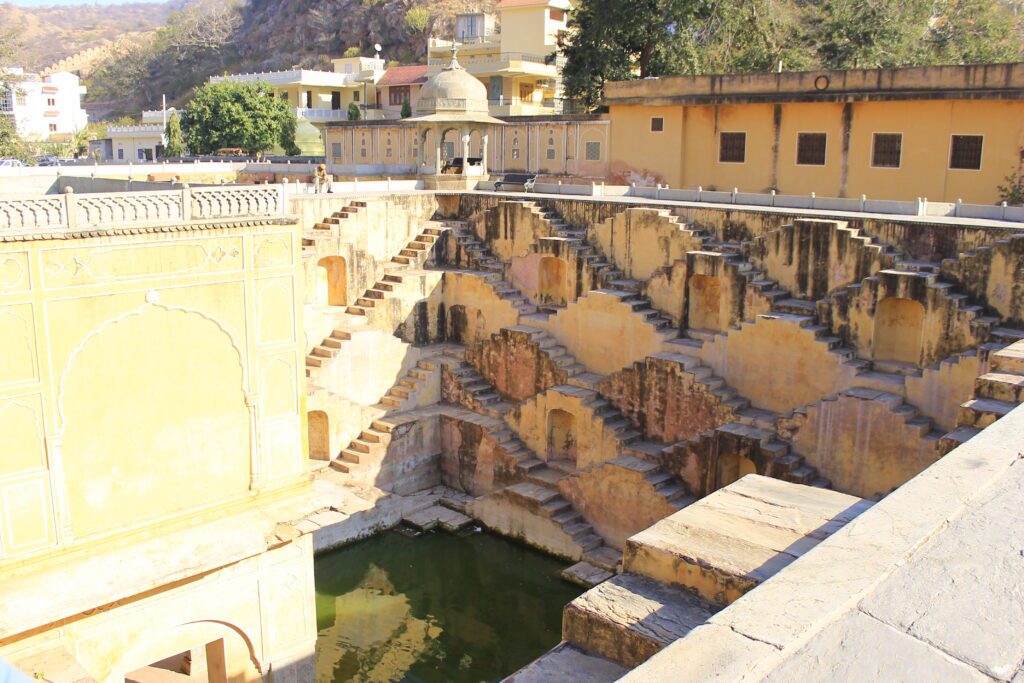
Just a short distance from Amber Fort lies Panna Meena Ka Kund, a beautiful 16th-century stepwell that remains one of Jaipur’s hidden gems.
Historically, the stepwell served as a water conservation structure and a gathering place for local communities. Today, visitors are drawn by its unique geometric design and symmetrical staircases.
The architecture creates fascinating patterns that look especially impressive in photographs. It is a favorite location among photographers, travel bloggers, and architecture enthusiasts.
Highlights
- Historic water reservoir
- Unique staircase design
- Excellent photography location
- Less crowded attraction
- Traditional Rajasthani architecture
Time Required: 30–45 Minutes
12:00 PM – Jal Mahal
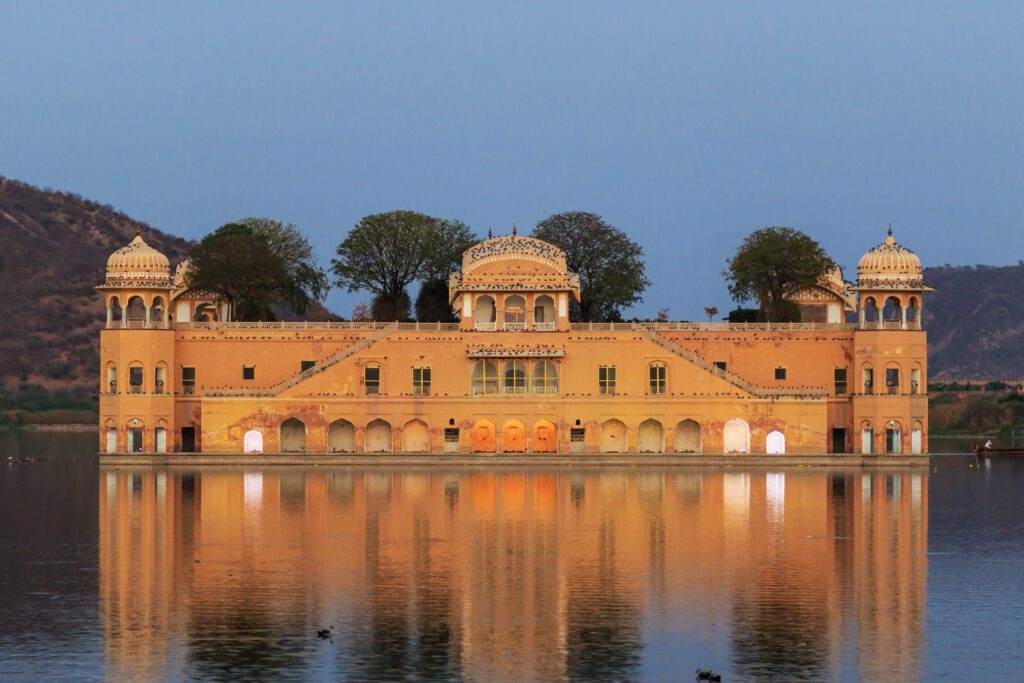
After visiting Amber Fort and Panna Meena Ka Kund, head toward Jal Mahal, one of Jaipur’s most picturesque landmarks.
Situated in the center of Man Sagar Lake, Jal Mahal appears to float on water. Built during the 18th century, this beautiful palace was used as a royal retreat and hunting lodge.
Although visitors cannot enter the palace itself, the surrounding viewpoints offer stunning views, especially during sunrise and sunset.
Birdwatchers often spot migratory birds around the lake during winter months, adding to the charm of the location.
Things to Do at Jal Mahal
- Enjoy scenic lake views
- Capture beautiful photographs
- Watch migratory birds
- Experience sunrise or sunset
- Try local snacks from nearby stalls
Time Required: 30 Minutes
1:00 PM – Traditional Rajasthani Lunch
No Jaipur trip is complete without experiencing authentic Rajasthani cuisine.
Popular dishes to try include:
Dal Baati Churma
The most famous dish of Rajasthan consisting of baked wheat balls served with lentils and sweet churma.
Gatte Ki Sabzi
Gram flour dumplings cooked in a rich yogurt-based gravy.
Ker Sangri
A traditional desert vegetable preparation unique to Rajasthan.
Recommended Restaurants
- LMB (Laxmi Misthan Bhandar)
- Chokhi Dhani Restaurant
- Handi Restaurant
- Spice Court
3:00 PM – Explore City Palace
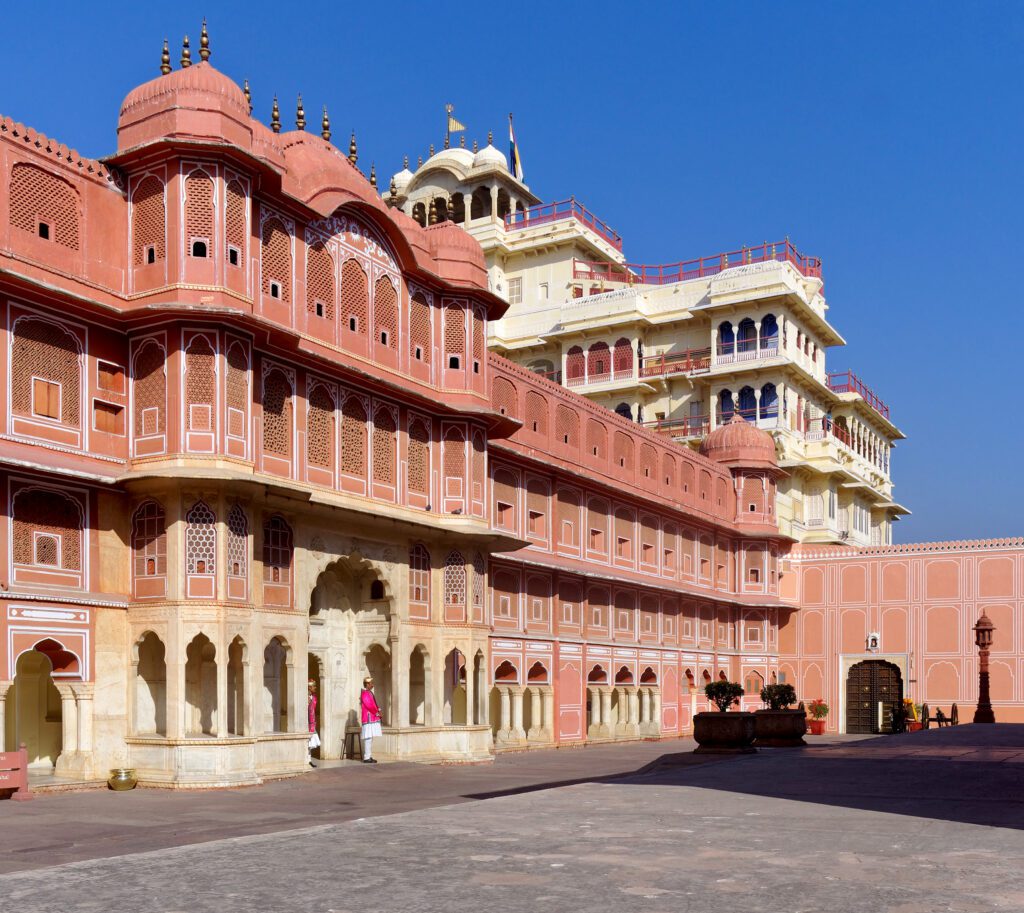
Located in the heart of Jaipur, the City Palace is one of the city’s most significant landmarks and continues to serve as the residence of Jaipur’s royal family.
Built by Maharaja Sawai Jai Singh II, the palace complex combines Rajput, Mughal, and European architectural influences.
Visitors can explore magnificent courtyards, museums, royal galleries, and beautifully decorated gateways.
Major Attractions
Mubarak Mahal – A stunning palace that now houses royal costumes and textiles.
Chandra Mahal – The royal residence featuring elegant architecture and historical artifacts.
Peacock Gate – One of Jaipur’s most Instagram-famous spots featuring colorful peacock-themed artwork.
Museum Galleries – Display royal weapons, paintings, manuscripts, and historical collections.
- Timings: 9:30 AM – 5:00 PM
- Time Required: 2 Hours
5:00 PM – Jantar Mantar
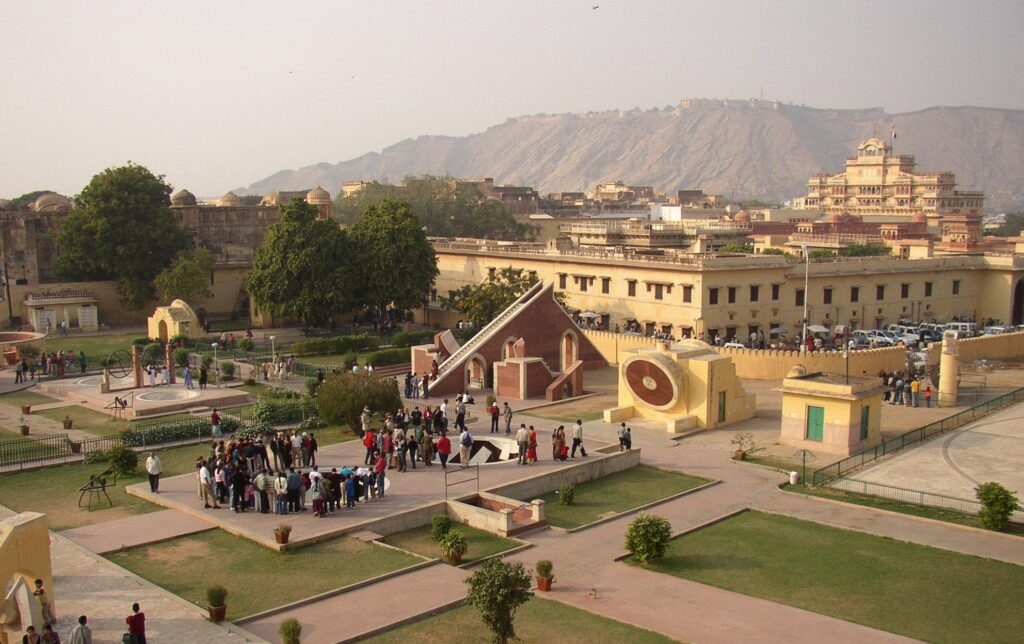
Located adjacent to the City Palace, Jantar Mantar is a UNESCO World Heritage Site and one of the world’s largest astronomical observatories.
Built in the 18th century by Maharaja Sawai Jai Singh II, the observatory contains nineteen astronomical instruments designed to study celestial movements and measure time.
The giant sundial remains accurate even today and fascinates visitors with its scientific precision.
Highlights
- World’s largest stone sundial
- Ancient astronomical instruments
- UNESCO World Heritage Site
- Educational experience
- Unique architecture
Time Required: 1 Hour
6:00 PM – Visit Hawa Mahal
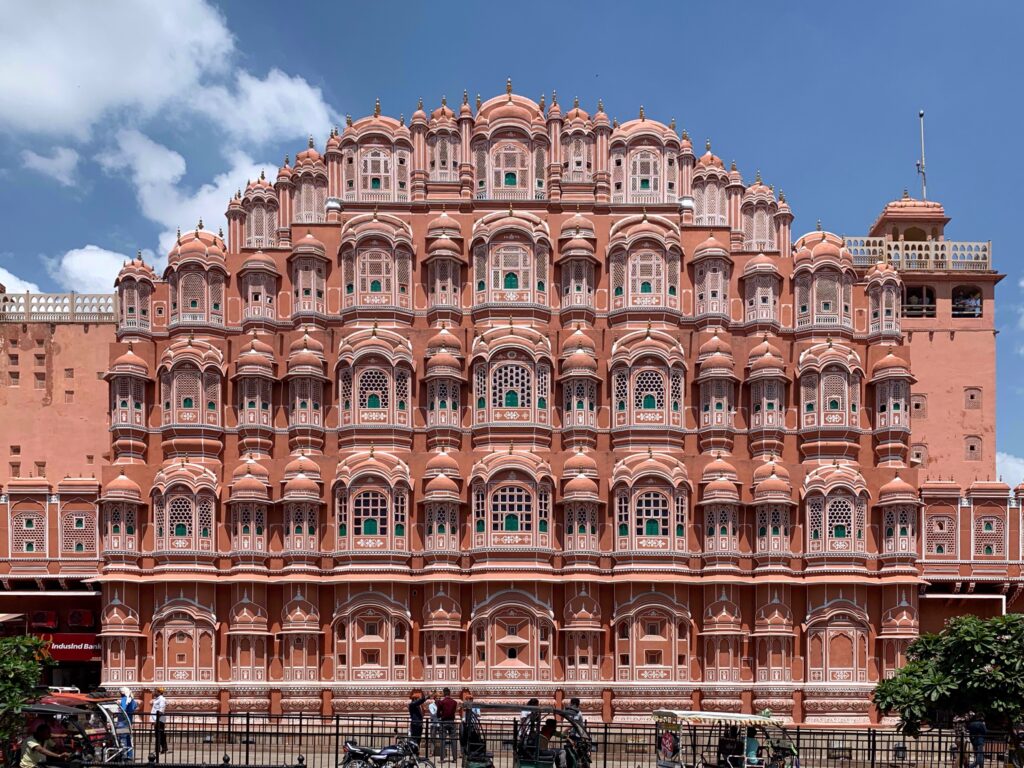
End your first day at Jaipur’s most iconic monument—the Hawa Mahal.
Built in 1799, this five-story palace features 953 intricately designed windows known as jharokhas. These windows allowed royal women to observe street festivals without being seen.
The honeycomb-shaped structure is considered one of the finest examples of Rajput architecture.
During sunset, the pink sandstone façade glows beautifully, creating one of Jaipur’s most memorable views.
Highlights
- 953 decorative windows
- Unique honeycomb architecture
- Excellent photography spot
- Historical significance
- Beautiful sunset views
- Timings: 9:00 AM – 5:00 PM
- Time Required: 1 Hour
Evening Shopping at Jaipur’s Famous Markets
Conclude your day by exploring Jaipur’s vibrant bazaars.
- Johari Bazaar – Famous for gemstones, silver jewelry, and traditional ornaments.
- Bapu Bazaar – Popular for handicrafts, textiles, mojaris, and souvenirs.
- Tripolia Bazaar – Known for lac bangles, brassware, and traditional Rajasthani products.
- Chandpole Bazaar – Ideal for marble handicrafts and local artwork.
Spend the evening shopping, tasting street food, and soaking in Jaipur’s lively atmosphere before returning to your hotel.
Day 2: Explore Jaipur’s Forts, Museums & Cultural Heritage
After spending your first day exploring Jaipur’s royal landmarks, dedicate your second day to discovering the city’s hilltop forts, museums, temples, and cultural experiences.
7:00 AM – Sunrise at Nahargarh Fort
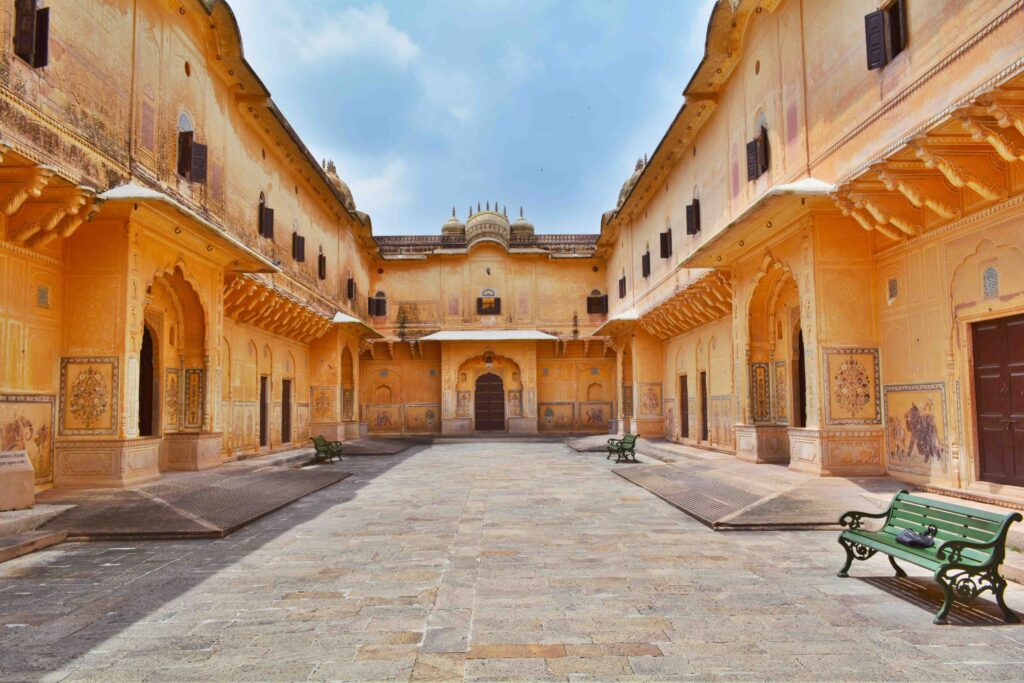
Start your day early by visiting Nahargarh Fort, one of Jaipur’s most scenic attractions. Located on the Aravalli Hills, the fort offers breathtaking panoramic views of the entire Pink City.
Built in 1734 by Maharaja Sawai Jai Singh II, Nahargarh Fort was originally constructed as a defensive fortification for Jaipur. Today, it is one of the most popular places to watch sunrise and sunset.
As the sun rises over Jaipur, the city slowly comes alive, creating a spectacular view for visitors and photographers.
Major Attractions
Madhavendra Bhawan – A beautiful palace complex consisting of interconnected suites built for the king and his queens.
City Viewpoints – Several viewpoints offer stunning views of Jaipur’s skyline and surrounding hills.
Fort Walls – The massive walls connect Nahargarh with Amber and Jaigarh Forts.
- Timings– 10:00 AM – 5:30 PM
- Entry Fee
- Indians: Approx. ₹50
- Foreign Tourists: Approx. ₹200
- Time Required– 2 Hours
10:00 AM – Visit Jaigarh Fort
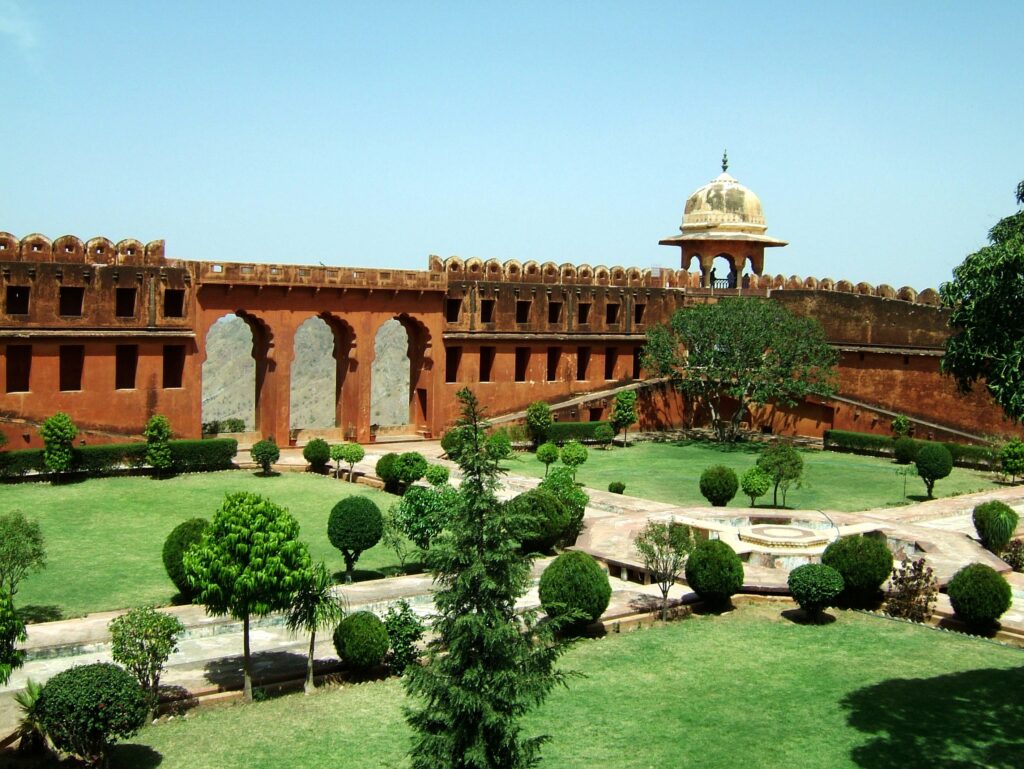
Located close to Nahargarh Fort, Jaigarh Fort is famous for housing the world’s largest cannon on wheels known as Jaivana Cannon.
Built in 1726, the fort served as a military stronghold and protected Amber Fort from enemy attacks.
Unlike many decorative palaces, Jaigarh Fort was designed primarily for defense, giving visitors a glimpse into Rajasthan’s military history.
Highlights
- Jaivana Cannon- The largest wheeled cannon ever built.
- Watch Towers –Enjoy panoramic views of Amber Fort and the surrounding landscape.
- Underground Passages – Secret passages once connected Jaigarh Fort with Amber Fort.
- Museum – Displays weapons, royal artifacts, and historical documents.
Time Required- 1.5 to 2 Hours
2:30 PM – Albert Hall Museum
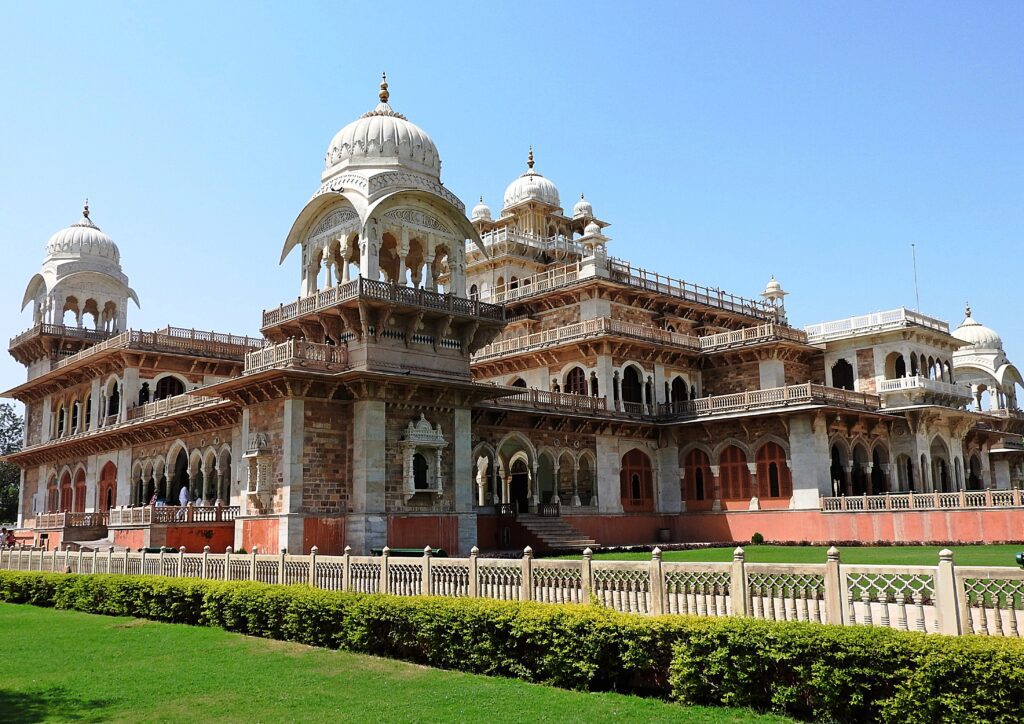
Albert Hall Museum is Rajasthan’s oldest museum and one of Jaipur’s most important cultural attractions.
Built in Indo-Saracenic architectural style, the museum houses a vast collection of historical artifacts, paintings, sculptures, weapons, carpets, and textiles.
Major Attractions
- Egyptian Mummy – One of the museum’s most famous exhibits.
- Ancient Coins – Rare collections from different historical periods.
- Paintings and Miniatures – Traditional Rajasthani artwork showcasing royal lifestyles.
- Sculptures – Artifacts dating back several centuries.
- Timings – 9:00 AM – 5:00 PM
- Time Required – 1.5 Hours
4:30 PM – Birla Mandir
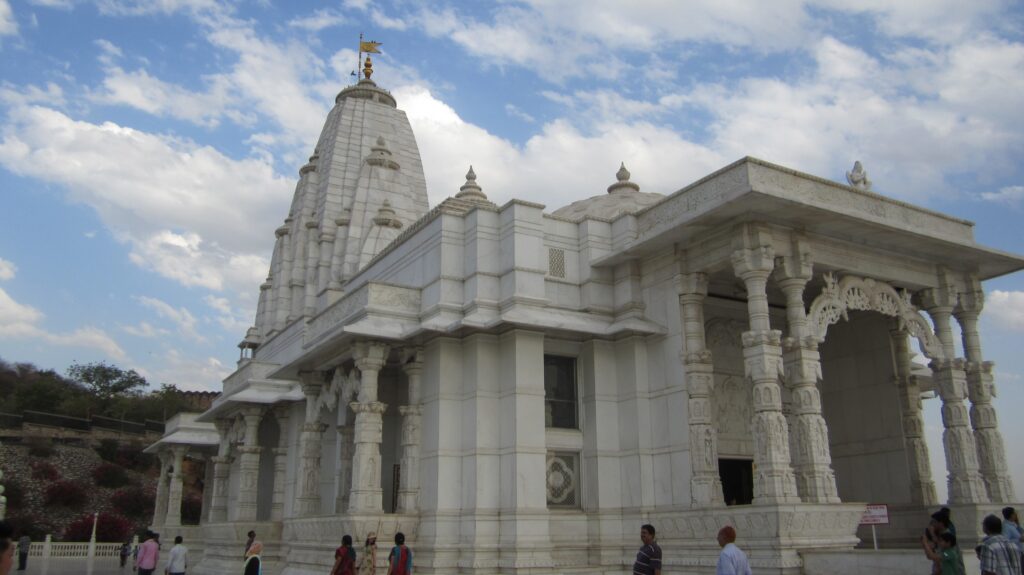
Located at the base of Moti Dungri Hill, Birla Mandir is one of Jaipur’s most beautiful temples.
Constructed entirely from white marble, the temple is dedicated to Lord Vishnu and Goddess Lakshmi.
The peaceful surroundings make it a perfect place to relax after a busy day of sightseeing.
Highlights
- Marble architecture
- Peaceful atmosphere
- Evening illumination
- Beautiful gardens
Time Required – 45 Minutes
6:00 PM – Experience Rajasthan at Chokhi Dhani
No Jaipur trip is complete without visiting Chokhi Dhani, a cultural village resort that showcases Rajasthan’s traditions, food, and folk performances.
The village recreates the atmosphere of a traditional Rajasthani settlement.
Activities
- Folk dance performances
- Puppet shows
- Camel rides
- Magic shows
- Traditional games
- Pottery making
- Rajasthani cuisine
Dinner Experience
Enjoy an authentic Rajasthani thali served in traditional style.
Popular dishes include:
- Dal Baati Churma
- Gatte Ki Sabzi
- Kadhi
- Bajra Roti
- Malpua
Time Required – 3–4 Hours
Day 3: Temples, Gardens & Shopping
Your final day in Jaipur focuses on hidden gems, temples, gardens, and shopping.
8:00 AM – Patrika Gate
Patrika Gate has become one of Jaipur’s most photographed landmarks.
The colorful gate features intricate artwork depicting Rajasthan’s culture, history, and traditions.
Early morning is the best time to visit for photography.
Highlights
- Vibrant architecture
- Cultural artwork
- Photography opportunities
- Peaceful atmosphere
Time Required– 30 Minutes
9:00 AM – Sisodia Rani Garden
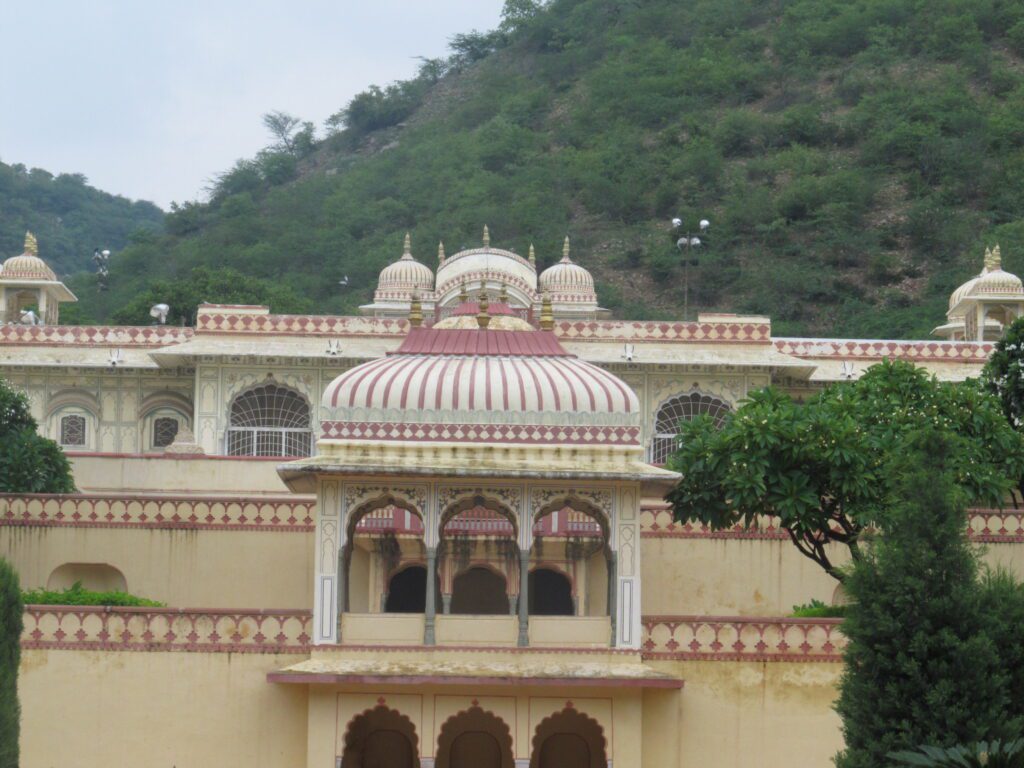
Built in 1728, Sisodia Rani Garden was designed for a queen of the Sisodia Rajput clan.
The garden features fountains, terraces, pavilions, and beautiful murals depicting the love story of Radha and Krishna.
Highlights
- Mughal-style gardens
- Beautiful fountains
- Historic pavilions
- Peaceful surroundings
Time Required- 1 Hour
11:00 AM – Galtaji Temple (Monkey Temple)
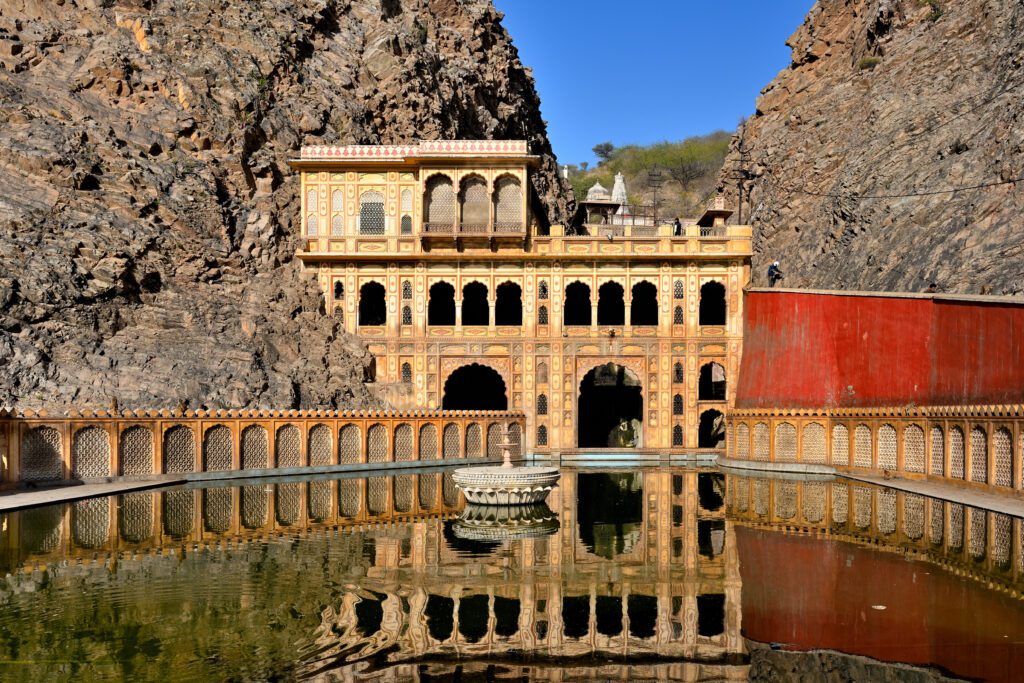
Situated amidst the Aravalli Hills, Galtaji Temple is one of Jaipur’s oldest pilgrimage sites.
The temple complex consists of several shrines, natural springs, and sacred water tanks.
Monkeys inhabit the surrounding hills, which is why the site is often called the Monkey Temple.
Attractions
- Sacred Kunds (water tanks)
- Hilltop views
- Ancient temples
- Religious significance
Time Required – 1.5 Hours
Where to Stay in Jaipur – Best Areas & Hotels for Every Budget
Choosing the right place to stay in Jaipur can make your trip more comfortable and convenient. The city offers everything from budget hostels and heritage havelis to luxury palace hotels. The best area for you depends on your travel style, budget, and sightseeing plans.
1. MI Road & Sindhi Camp – Best for First-Time Visitors
MI Road is one of Jaipur’s most central locations and an excellent choice for tourists visiting the city for the first time. Most major attractions, restaurants, shopping markets, and transport hubs are easily accessible from here.
Why Stay Here?
- Central location
- Close to City Palace and Hawa Mahal
- Easy access to Jaipur Railway Station
- Plenty of restaurants and cafes
- Good public transport connectivity
Recommended Hotels
Budget
- Hotel Pearl Palace
- Arya Niwas
Mid-Range
- Vesta International
- Golden Tulip Jaipur
Luxury
- ITC Rajputana
Average Hotel Cost
- Budget: ₹800 – ₹2,000 per night
- Mid-Range: ₹3,000 – ₹6,000 per night
- Luxury: ₹8,000+ per night
2. Bani Park – Best for Families & Heritage Stays
Bani Park is one of Jaipur’s most peaceful and upscale neighborhoods. The area is known for heritage hotels, spacious properties, and a quieter atmosphere compared to the bustling city center.
Why Stay Here?
- Safe and family-friendly
- Heritage-style accommodations
- Peaceful surroundings
- Close to railway station
- Good restaurants nearby
Recommended Hotels
Budget
- Hotel Anuraag Villa
- Hotel Umaid Bhawan
Mid-Range
- Umaid Mahal
- Jas Vilas
Luxury
- Shahpura House
Average Hotel Cost
- Budget: ₹1,000 – ₹2,500
- Mid-Range: ₹3,000 – ₹7,000
- Luxury: ₹8,000 – ₹15,000+
3. Civil Lines – Best for Luxury Travelers
Civil Lines is one of Jaipur’s most premium residential areas. It offers luxury hotels, wide roads, peaceful surroundings, and excellent connectivity.
Why Stay Here?
- Upscale neighborhood
- Luxury hotels
- Less crowded area
- Great dining options
- Suitable for couples and business travellers
Recommended Hotels
Mid-Range
- Hilton Jaipur
- Four Points by Sheraton
Luxury
- ITC Rajputana
- Jaipur Marriott Hotel
Average Hotel Cost
- Mid-Range: ₹4,000 – ₹8,000
- Luxury: ₹8,000 – ₹20,000+
4. Amer Road – Best for Fort Lovers & Scenic Views
If your main goal is to explore Jaipur’s forts and palaces, staying near Amer Road can save significant travel time.
Why Stay Here?
- Close to Amber Fort
- Near Jaigarh and Nahargarh Forts
- Scenic hill views
- Less crowded than city center
- Great photography opportunities
Recommended Hotels
Budget
- Hotel Amer View
Mid-Range
- KK Royal Hotel
Luxury
- Fairmont Jaipur
- Le Méridien Jaipur
Average Hotel Cost
- Budget: ₹1,500 – ₹2,500
- Mid-Range: ₹3,000 – ₹7,000
- Luxury: ₹10,000 – ₹30,000+
5. C-Scheme – Best for Food, Cafes & Nightlife
C-Scheme is Jaipur’s modern urban district, known for stylish cafes, shopping centers, restaurants, and nightlife.
Why Stay Here?
- Trendy cafes
- Modern restaurants
- Shopping opportunities
- Good nightlife
- Suitable for young travellers
Recommended Hotels
Mid-Range
- Sarovar Portico
- Park Prime Jaipur
Luxury
- Holiday Inn Jaipur City Centre
Average Hotel Cost
- Mid-Range: ₹3,500 – ₹7,000
- Luxury: ₹8,000 – ₹15,000+
6. Tonk Road – Best for Business Travelers
Tonk Road connects Jaipur Airport to the city and is a preferred location for business travelers.
Why Stay Here?
- Close to airport
- Modern hotels
- Business-friendly facilities
- Easy transportation
Recommended Hotels
Mid-Range
- Lemon Tree Premier
Luxury
- Jaipur Marriott Hotel
- Radisson Blu Jaipur
Average Hotel Cost
- Mid-Range: ₹4,000 – ₹7,000
- Luxury: ₹8,000 – ₹18,000+
Best Time to Visit Jaipur
The best time to visit Jaipur is from October to March, when the weather is pleasant and ideal for sightseeing. During these months, visitors can comfortably explore the city’s forts, palaces, markets, and cultural attractions without facing extreme temperatures.
1. Winter Season (October to March) – Best Time to Visit
Winter is considered the peak tourist season in Jaipur. The temperature ranges between 10°C and 28°C, making it perfect for outdoor activities and heritage walks.
Why Visit During Winter?
- Pleasant weather for sightseeing
- Ideal for visiting Amber Fort, Hawa Mahal, and City Palace
- Comfortable for shopping in local markets
- Perfect for photography and outdoor activities
- Best time for cultural festivals and events
Popular Festivals
- Jaipur Literature Festival (January)
- Makar Sankranti (January)
- Teej Festival (occasionally falls around this period)
2. Monsoon Season (July to September)
Monsoon brings occasional rainfall and transforms Jaipur into a greener and more refreshing destination. The surrounding Aravalli Hills look particularly beautiful during this season.
Why Visit During Monsoon?
- Fewer tourist crowds
- Lush green landscapes
- Lower hotel prices
- Pleasant weather compared to summer
- Great photography opportunities
Temperature – Approximately 25°C to 35°C
3. Summer Season (April to June)
Summers in Jaipur can be extremely hot, with temperatures often reaching 40°C to 45°C. Sightseeing during the day can be challenging due to intense heat.
Why Visit During Summer?
- Lowest hotel rates
- Fewer tourists
- Good deals on flights and accommodation
Travel Tip
If visiting during summer, plan sightseeing early in the morning or late in the evening and stay hydrated throughout the day.
Final Recommendation: If you’re planning a 3-day Jaipur trip, visit between October and March, especially from November to February, for the most comfortable weather and the best sightseeing experience.
Important Travel Tips for Jaipur
- Start sightseeing early in the morning.
- Wear comfortable walking shoes.
- Carry sunscreen and a hat.
- Stay hydrated during fort visits.
- Bargain while shopping in local markets.
- Carry cash for street food and small purchases.
- Dress modestly while visiting temples.
- Book hotels early during winter and festival seasons.
- Use government-approved guides at major monuments.
- Keep a power bank for long sightseeing days.
How to Reach Jaipur
Jaipur is well connected to major cities across India by air, rail, and road, making it an easily accessible tourist destination.
1. By Air
Jaipur International Airport is located about 12 km from the city center and offers regular flights from major cities such as Delhi, Mumbai, Bengaluru, Hyderabad, Chennai, and Kolkata. From the airport, travelers can easily reach the city by taxi, cab, or auto-rickshaw.
2. By Train
Jaipur Junction Railway Station is one of Rajasthan’s busiest railway stations and has excellent connectivity with cities like Delhi, Mumbai, Agra, Ahmedabad, and Kolkata. Popular trains such as Ajmer Shatabdi Express and Double Decker Express provide convenient travel options from Delhi.
3. By Road
Jaipur is connected through well-maintained highways and expressways. The city is approximately 280 km from Delhi, 240 km from Agra, 350 km from Jodhpur, and 400 km from Udaipur. Regular government and private buses, as well as taxis and self-drive options, make road travel comfortable and convenient.
4. By Bus
Several AC, Volvo, and non-AC buses operate daily to Jaipur from nearby cities. Rajasthan State Road Transport Corporation (RSRTC) and private operators offer frequent services, especially from Delhi, Agra, Chandigarh, and Udaipur.
Distance from Major Cities
- Delhi – Approx. 280 km (5–6 hours)
- Agra – Approx. 240 km (4–5 hours)
- Jodhpur – Approx. 350 km (6–7 hours)
- Udaipur – Approx. 400 km (6–7 hours)
- Chandigarh – Approx. 510 km (8–10 hours)
For most travelers, trains and road trips from Delhi are the most economical and convenient options, while flights are ideal for visitors traveling from distant cities.
Conclusion
A 3-day Jaipur trip offers the perfect opportunity to explore Rajasthan’s royal heritage, magnificent forts, colorful markets, cultural traditions, and delicious cuisine. From the grandeur of Amber Fort and City Palace to the scenic beauty of Nahargarh Fort and the cultural charm of Chokhi Dhani, every attraction showcases a different side of Jaipur. Whether you are traveling on a budget or planning a luxurious vacation, Jaipur promises an unforgettable experience filled with history, culture, food, and architectural wonders.
