
Vrindavan, located on the banks of the Yamuna River in Uttar Pradesh, is one of the holiest destinations in India. Revered as the playground of Lord Krishna, this ancient town attracts millions of devotees, spiritual seekers, and travelers every year. The narrow lanes filled with devotional chants, centuries-old temples, sacred ghats, and vibrant festivals create an atmosphere unlike any other place in the country.
According to Hindu beliefs, Vrindavan is where Lord Krishna spent his childhood and performed many divine pastimes with Radha Rani and the Gopis. Today, the town is home to thousands of temples, ashrams, and sacred sites that preserve these timeless stories.
If you are planning a pilgrimage or a spiritual getaway, here are the 15 best places to visit in Vrindavan that should be part of your itinerary.
1. Banke Bihari Temple
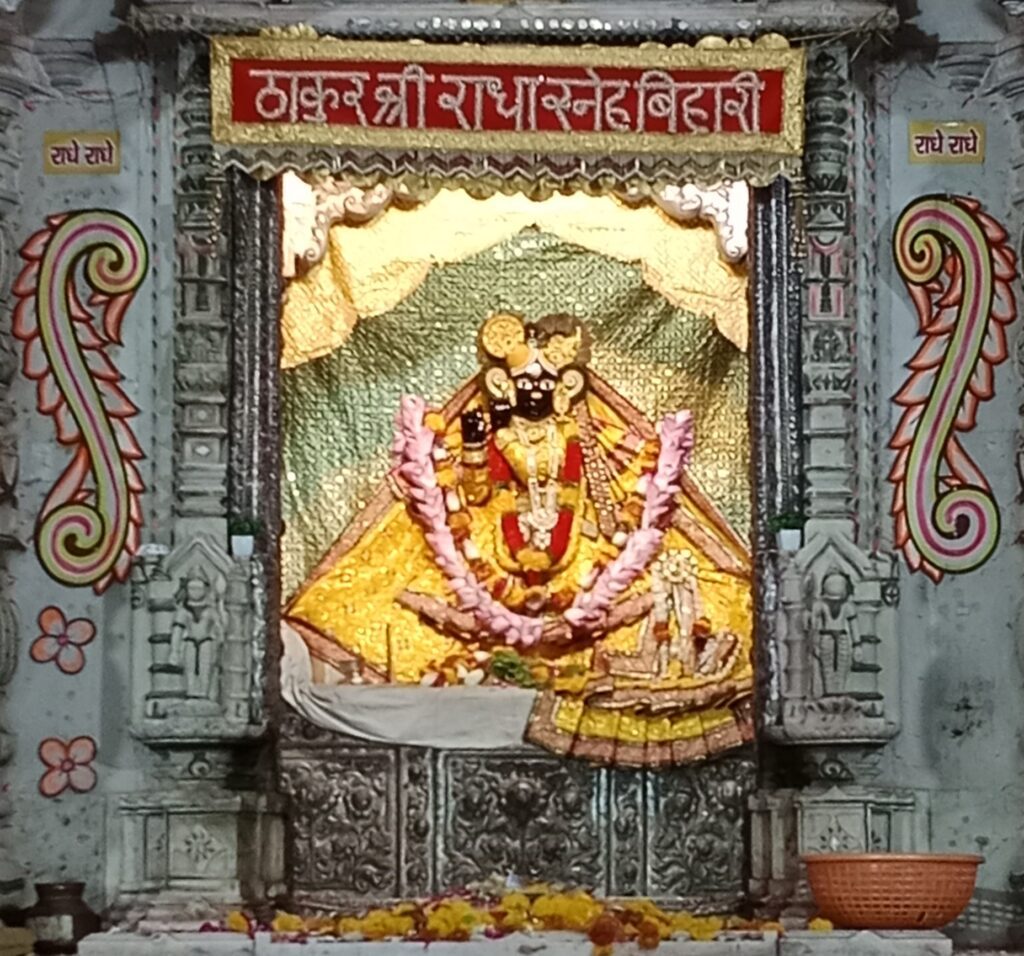
Banke Bihari Temple is the most visited temple in Vrindavan and is dedicated to Lord Krishna in his enchanting form known as Banke Bihari. The deity was discovered by the saint Swami Haridas, who was a great devotee and spiritual teacher.
Why is it Famous?
The temple is known for its unique darshan tradition. Unlike most temples where devotees can continuously view the deity, the curtains here are opened and closed every few seconds. It is believed that the divine beauty of Banke Bihari is so captivating that devotees may lose awareness of their surroundings.
What to See?
- The beautiful black idol of Lord Krishna.
- Traditional temple architecture.
- Energetic devotional singing and chanting.
- Festive decorations during Janmashtami and Holi.
Spiritual Significance
The temple symbolizes Krishna’s playful and loving nature. Devotees believe that a visit to Banke Bihari Temple brings peace, happiness, and spiritual fulfillment.
2. Prem Mandir
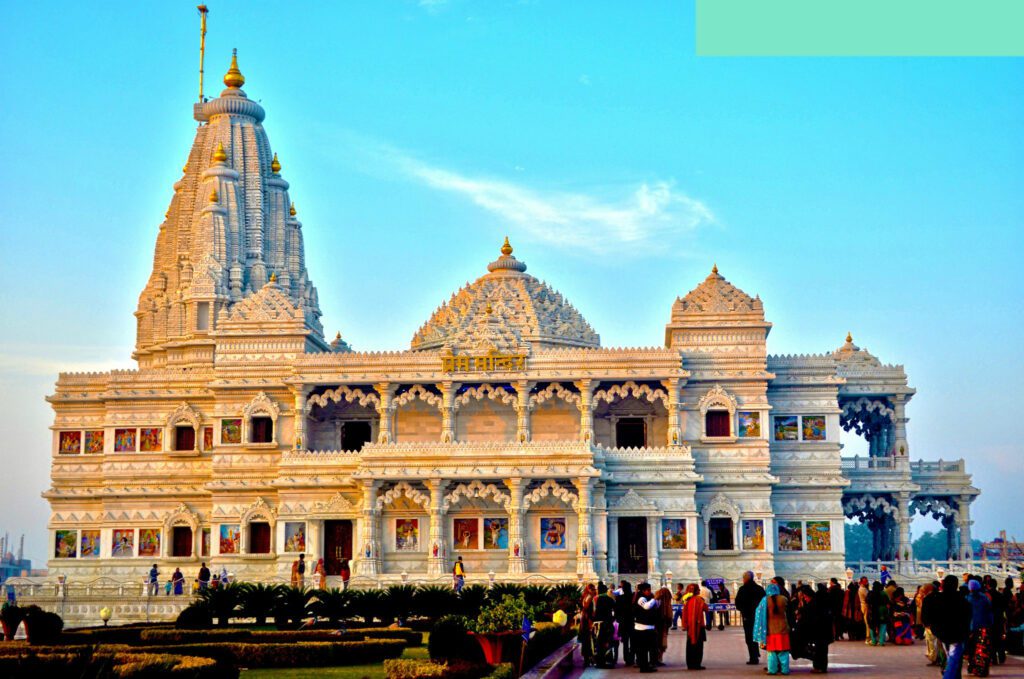
Prem Mandir, meaning “Temple of Divine Love,” is one of the most magnificent temples in Vrindavan. Built by Jagadguru Kripalu Maharaj, the temple is entirely made of white Italian marble and showcases the divine love of Radha and Krishna.
Why is it Famous?
The temple combines spirituality with architectural excellence. Every wall and pillar features intricate carvings depicting scenes from Krishna’s life.
What to See?
- Marble sculptures depicting Govardhan Leela and Kaliya Mardan.
- Beautiful gardens and fountains.
- Evening light and sound show.
- Illuminated temple façade after sunset.
Spiritual Significance
The temple promotes the message of divine love and devotion, making it one of the most inspiring places in Vrindavan.
3. ISKCON Temple Vrindavan
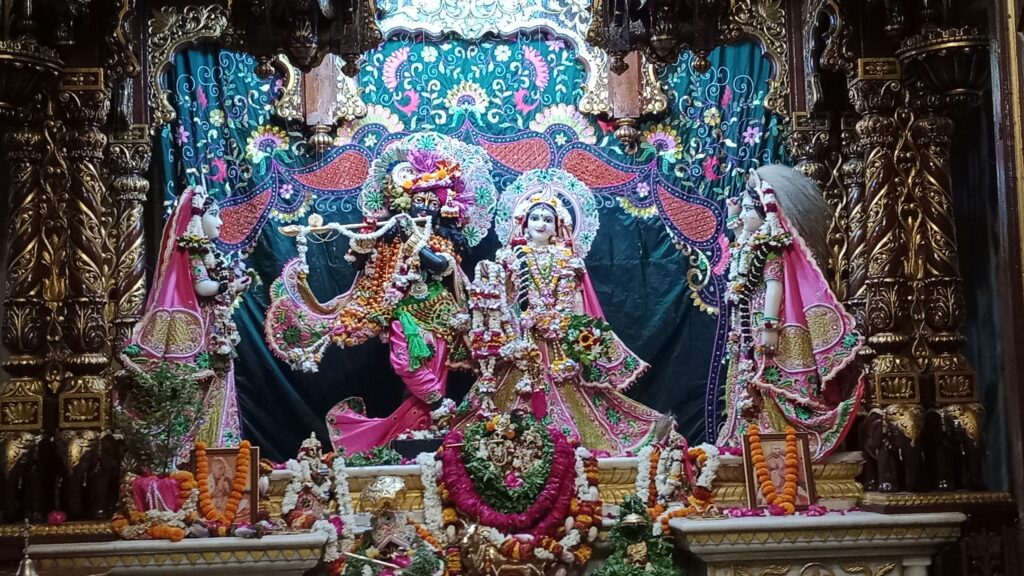
Also called Krishna Balaram Mandir, the ISKCON Temple attracts devotees from all over the world. Established by A.C. Bhaktivedanta Swami Prabhupada, it serves as a center for Krishna consciousness.
Why is it Famous?
It is one of the few temples where visitors can experience an international devotional environment.
What to See?
- Magnificent deities of Krishna and Balaram.
- Continuous kirtan and bhajan sessions.
- Prabhupada’s samadhi.
- Spiritual bookshops and cultural exhibits.
Spiritual Significance
The temple encourages chanting the Hare Krishna Mahamantra and spreading Krishna devotion globally.
4. Nidhivan
Nidhivan is one of the most mysterious and sacred sites in Vrindavan. According to local beliefs, Lord Krishna and Radha still perform Raas Leela here every night.
Why is it Famous?
The grove contains uniquely intertwined Tulsi trees that appear to resemble dancing figures.
What to See?
- Sacred Tulsi forest.
- Rang Mahal.
- Ancient pathways and devotional shrines.
- Religious artifacts associated with Radha-Krishna.
Spiritual Significance
Nidhivan is considered a place where divine energy is still present, making it one of the most revered sites in Vrindavan.
5. Seva Kunj
Seva Kunj is believed to be the garden where Lord Krishna lovingly served Radha and performed Raas Leela with the gopis.
Why is it Famous?
The peaceful environment and historical importance make it a major spiritual attraction.
What to See?
- Ancient garden area.
- Radha-Krishna temple.
- Sacred trees and pathways.
- Devotional paintings and shrines.
Spiritual Significance
The site represents divine love, service, and devotion between Radha and Krishna.
6. Radha Raman Temple
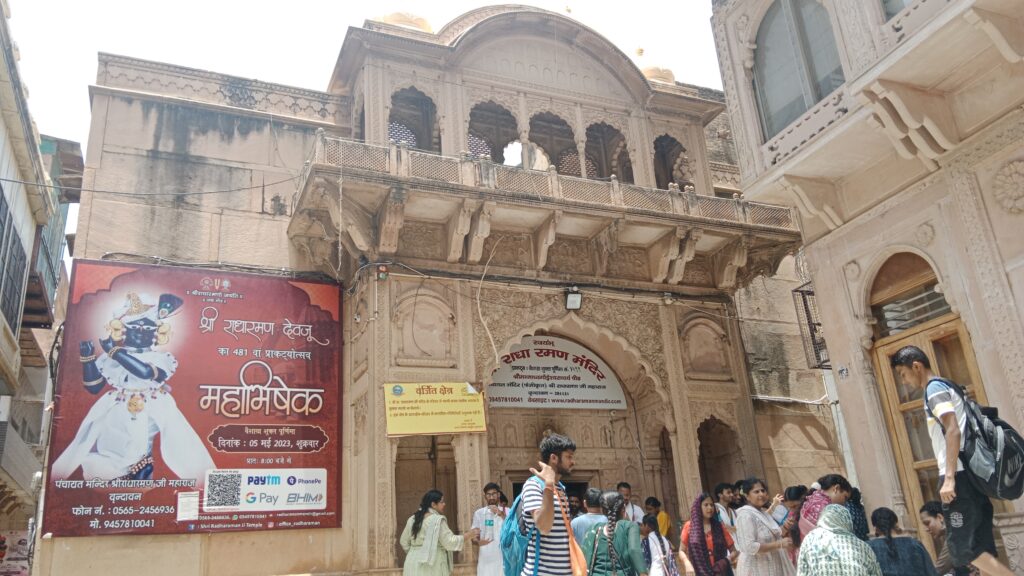
Radha Raman Temple is among the oldest and most respected temples in Vrindavan. The deity here is believed to have self-manifested from a sacred Shaligram stone.
Why is it Famous?
The temple preserves centuries-old worship traditions and rituals.
What to See?
- Self-manifested Radha Raman deity.
- Traditional temple architecture.
- Ancient religious artifacts.
- Daily rituals performed according to old customs.
Spiritual Significance
It is one of the most important pilgrimage sites for devotees of Krishna.
7. Radha Damodar Temple
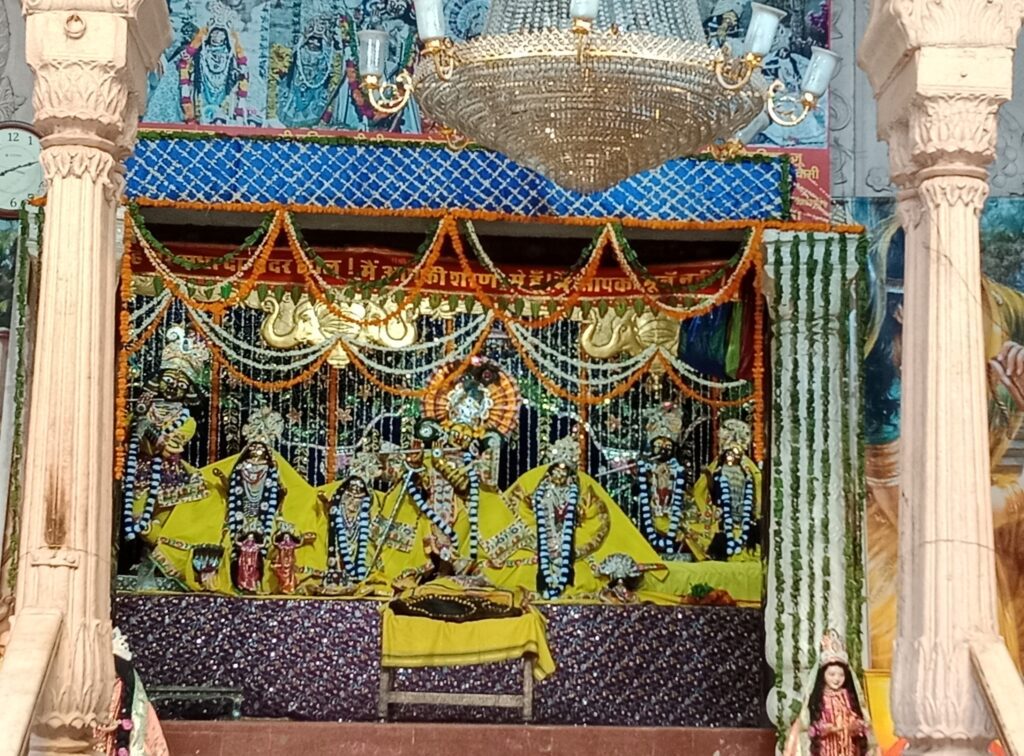
Established by Jiva Goswami, this temple is one of the most significant centers of Gaudiya Vaishnavism.
Why is it Famous?
The temple houses sacred samadhis of several great saints.
What to See?
- Beautiful Radha-Damodar deities.
- Samadhis of Gaudiya saints.
- Ancient manuscripts and relics.
- Traditional temple complex.
Spiritual Significance
Many devotees consider a visit here equal to performing Govardhan Parikrama due to its sacred associations.
8. Govind Dev Ji Temple
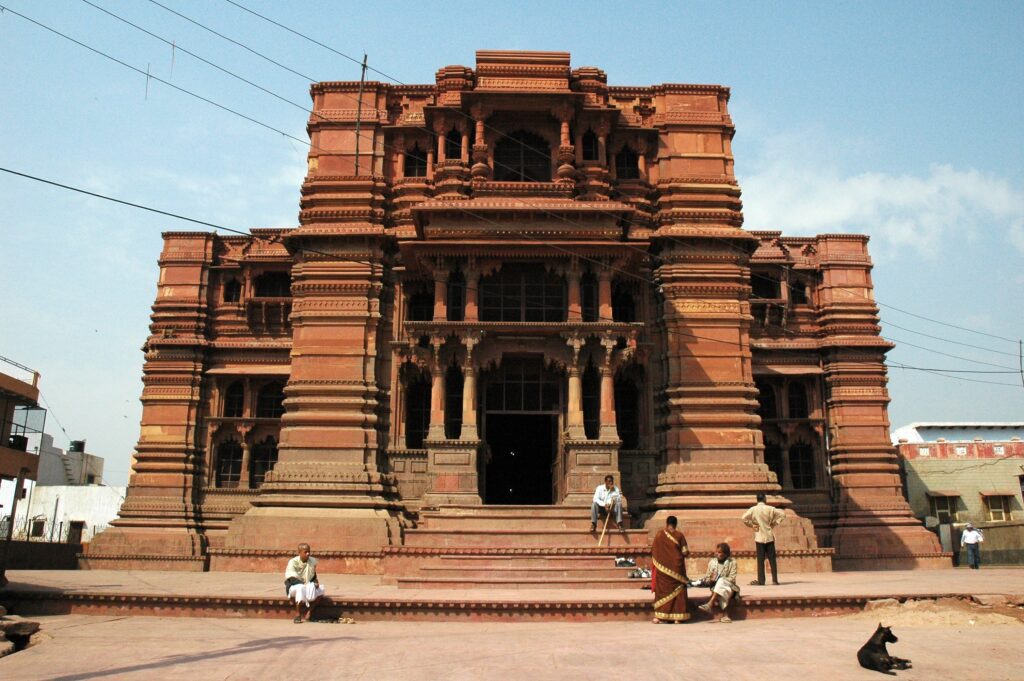
Built in the 16th century by Raja Man Singh of Jaipur, Govind Dev Ji Temple is an architectural masterpiece.
Why is it Famous?
The temple once stood seven stories high and was among the grandest temples of its time.
What to See?
- Massive red sandstone structure.
- Ancient arches and pillars.
- Historic temple ruins.
- Detailed stone carvings.
Spiritual Significance
The temple reflects the golden era of Krishna devotion in medieval India.
9. Keshi Ghat
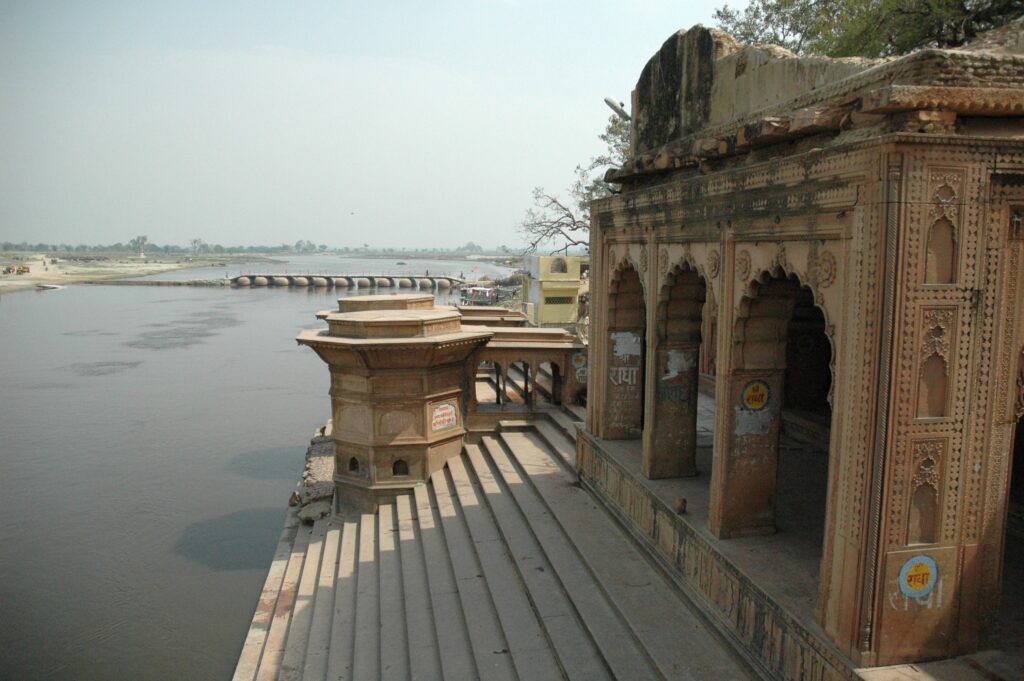
Keshi Ghat is the most famous ghat on the Yamuna River and is associated with Krishna’s victory over the demon Keshi.
Why is it Famous?
Its beautiful riverside setting and spiritual atmosphere attract both pilgrims and photographers.
What to See?
- Traditional riverfront architecture.
- Evening Yamuna Aarti.
- Boat rides on the Yamuna.
- Sunrise and sunset views.
Spiritual Significance
The ghat symbolizes the triumph of good over evil and remains an important pilgrimage destination.
10. Shri Rangji Temple
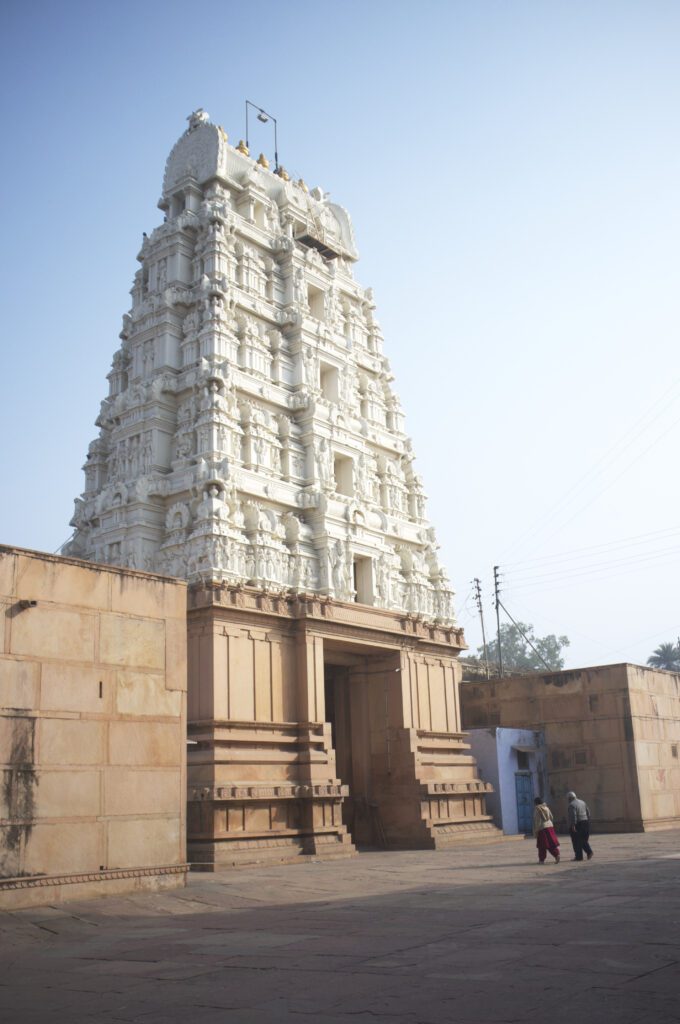
Dedicated to Lord Ranganatha, Shri Rangji Temple is one of the largest temples in Vrindavan.
Why is it Famous?
It beautifully blends South Indian, Rajput, and Mughal architectural styles.
What to See?
- Massive temple complex.
- Golden Dhwaja Stambha.
- Ornate gateways and halls.
- Traditional South Indian rituals.
Spiritual Significance
The temple reflects the cultural and spiritual unity of different regions of India.
11. Pagal Baba Temple
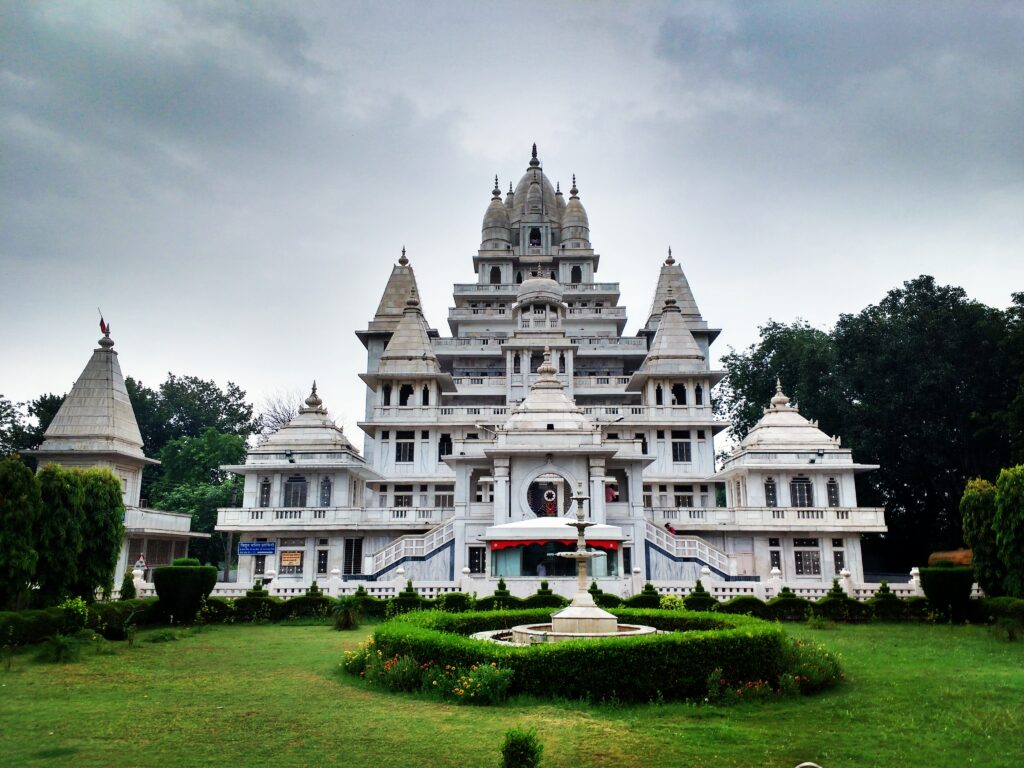
Pagal Baba Temple is a multi-storey white marble temple built by the saint known as Pagal Baba.
Why is it Famous?
Each floor of the temple is dedicated to different deities and spiritual themes.
What to See?
- Multi-level temple complex.
- Panoramic views of Vrindavan.
- Beautiful idols and prayer halls.
- Peaceful surroundings.
Spiritual Significance
The temple promotes devotion, meditation, and spiritual discipline.
12. Maa Vaishno Devi Dham
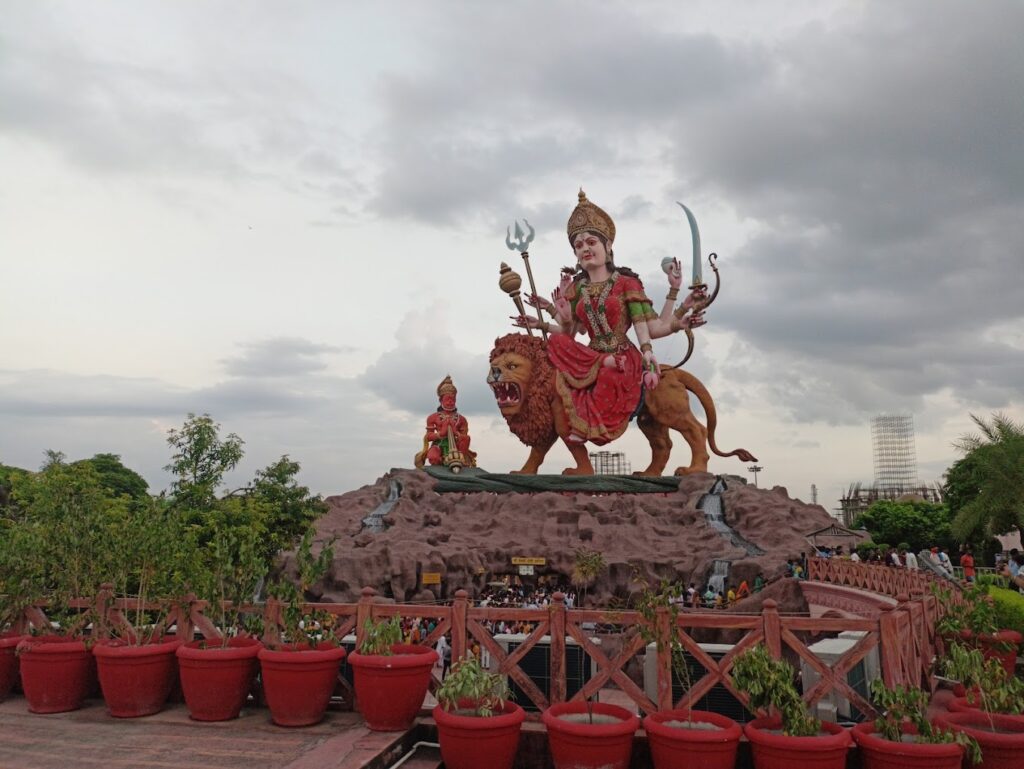
This temple recreates the experience of visiting the famous Vaishno Devi shrine in Jammu.
Why is it Famous?
Visitors can walk through an artificial cave that resembles the original pilgrimage route.
What to See?
- Cave-style pathways.
- Goddess Vaishno Devi shrine.
- Beautiful idols of Hindu deities.
- Landscaped temple complex.
Spiritual Significance
It allows devotees to seek blessings of the Divine Mother without traveling to the Himalayas.
13. Gopeshwar Mahadev Temple
This ancient Shiva temple holds a special place in Krishna devotion.
Why is it Famous?
According to tradition, Lord Shiva took the form of a gopi to witness Krishna’s Raas Leela.
What to See?
- Ancient Shiva Lingam.
- Traditional temple architecture.
- Devotional rituals and offerings.
- Sacred religious atmosphere.
Spiritual Significance
The temple symbolizes the deep connection between Lord Shiva and Lord Krishna.
14. Shahji Temple
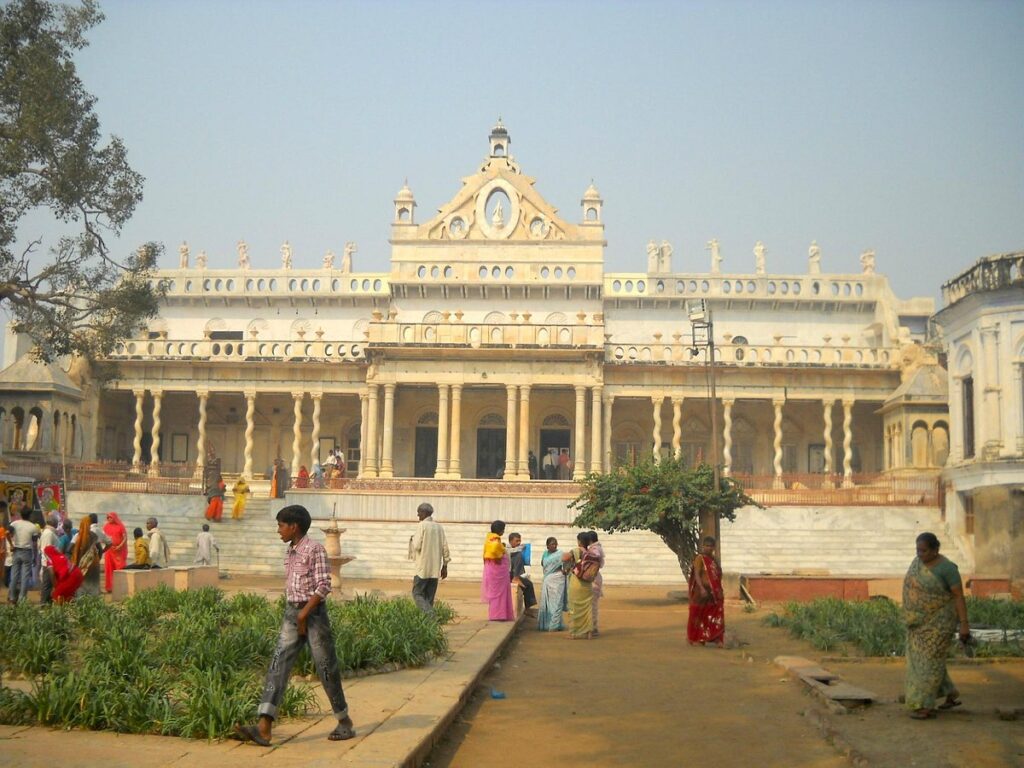
Built in the 19th century, Shahji Temple is known for its elegance and artistic beauty.
Why is it Famous?
The temple’s marble pillars and intricate designs make it one of Vrindavan’s architectural gems.
What to See?
- Twisted marble pillars.
- Stunning chandeliers.
- Decorative halls.
- Beautiful paintings and carvings
Spiritual Significance
The temple showcases how devotion and art can come together to create something extraordinary.
15. Kusum Sarovar
Located near Govardhan, Kusum Sarovar is a sacred reservoir linked to Radha and Krishna’s divine pastimes.
Why is it Famous?
According to tradition, Radha and her companions would gather flowers here for Krishna.
What to See?
- Beautiful sandstone cenotaphs.
- Sacred water reservoir.
- Historic architecture.
- Stunning sunset views.
Spiritual Significance
The serene atmosphere and spiritual history make Kusum Sarovar a perfect place for meditation and reflection.
Best Time to Visit Vrindavan
Vrindavan can be visited throughout the year, but the best time to visit is from October to March when the weather is pleasant and ideal for temple visits, sightseeing, and parikrama.
1. October to March (Best Season)
This is the most comfortable and popular time to visit Vrindavan.
Weather
- Temperature ranges between 8°C and 25°C.
- Cool mornings and evenings.
- Pleasant conditions for walking and temple hopping.
Why Visit?
- Comfortable sightseeing weather.
- Ideal for Govardhan Parikrama and Vrindavan Parikrama.
- Clear skies and beautiful sunsets at Keshi Ghat.
- Major festivals take place during this period.
Important Festivals
- Kartik Month Celebrations
- Dev Deepawali
- Gita Jayanti
- Makar Sankranti
- Basant Panchami
2. February to March (Best for Holi)
Vrindavan hosts one of the most famous Holi celebrations in India.
- Flower Holi at Banke Bihari Temple
- Traditional Lathmar Holi in nearby Barsana
- Colorful processions and devotional music
- Unique cultural experiences
If you want to witness the vibrant side of Vrindavan, this is the perfect time.
3. August to September (Janmashtami Season)
Janmashtami, the birth celebration of Lord Krishna, transforms Vrindavan into a spiritual paradise.
- Beautiful temple decorations
- Special midnight prayers
- Bhajan and kirtan programs
- Cultural performances depicting Krishna’s life
Temples such as Banke Bihari Temple, Prem Mandir, and ISKCON Temple Vrindavan are especially crowded and vibrant during this time.
Essential Tips for Visiting Vrindavan
A trip to Vrindavan can be a deeply spiritual and memorable experience. To make your journey comfortable and hassle-free, keep these important tips in mind.
1. Start Your Day Early
Most popular temples such as Banke Bihari Temple, ISKCON Temple Vrindavan, and Prem Mandir become crowded later in the day. Visiting early in the morning allows you to enjoy peaceful darshan and shorter queues.
2. Wear Comfortable and Modest Clothing
Since Vrindavan is a religious town, modest attire is recommended. Wear light, breathable clothing and comfortable footwear, especially if you plan to walk between temples.
3. Beware of Monkeys
Monkeys are common around temples and ghats.
Keep Safe:
- Avoid carrying food in your hands.
- Secure mobile phones and sunglasses.
- Keep bags zipped and close to you.
If a monkey takes an item, avoid chasing it and seek help from locals.
4. Stay Hydrated
If you are visiting during summer, carry:
- A reusable water bottle
- Sunglasses
- Sunscreen
- A cap or umbrella
Temperatures can exceed 40°C between April and June.
5. Use E-Rickshaws for Local Travel
Vrindavan’s narrow lanes are best explored using:
- E-rickshaws
- Auto-rickshaws
- Cycle-rickshaws
They are affordable and can easily navigate crowded temple areas.
6. Respect Temple Rules
Different temples have different regulations.
Common Guidelines:
- Remove footwear before entering.
- Follow queue systems.
- Avoid loud conversations.
- Respect photography restrictions where applicable.
7. Attend Morning and Evening Aarti
The spiritual atmosphere during aarti is truly unforgettable.
Don’t miss:
- Evening Yamuna Aarti at Keshi Ghat
- Kirtans at ISKCON Temple Vrindavan
- Evening illumination at Prem Mandir
8. Carry Some Cash
While many shops accept digital payments, small vendors, local eateries, and rickshaw drivers may prefer cash
9. Plan Festival Visits in Advance
Vrindavan becomes extremely crowded during:
- Janmashtami
- Holi
- Radhashtami
- Kartik Month
Book your accommodation and transportation well in advance if traveling during these festivals.
10. Allocate at Least 2 Days
While a day trip is possible, staying for 2–3 days allows you to:
- Visit major temples comfortably
- Attend multiple aartis
- Explore nearby Govardhan
- Experience the spiritual atmosphere without rushing
11. Stay Alert in Crowded Areas
Major temple complexes can become crowded, especially on weekends and festival days.
Keep:
- Wallets secure
- Phones safely stored
- Important documents protected
12. Embrace the Spiritual Atmosphere
Vrindavan is more than a tourist destination. Spend some time:
- Listening to bhajans
- Attending satsangs
- Meditating by the Yamuna River
- Participating in temple prayers
How to Reach Vrindavan
Vrindavan, the sacred land of Lord Krishna, is located in the Mathura district of Uttar Pradesh. It is well connected to major cities by air, rail, and road, making it easily accessible for pilgrims and tourists from across India.
1. By Air
The nearest airport to Vrindavan is Indira Gandhi International Airport, approximately 160 km away.
Distance and Travel Time
- Distance: About 160 km
- Travel Time: 3–4 hours by road
From the Airport
After landing in Delhi, you can:
- Hire a private taxi directly to Vrindavan.
- Take a train from Delhi to Mathura.
- Board a bus from Delhi to Mathura or Vrindavan.
For international travelers, Delhi Airport is the most convenient gateway to Vrindavan.
2. By Train
The nearest railway station is Mathura Junction Railway Station, located around 12 km from Vrindavan.
Major Cities Connected to Mathura
Delhi, Mumbai, Kolkata, Jaipur, Agra, Lucknow, Varanasi, Chennai.
Mathura Junction is one of the busiest railway stations in North India and is served by numerous express and superfast trains.
From Mathura Junction to Vrindavan
You can easily reach Vrindavan by:
- Auto-rickshaw
- E-rickshaw
- Taxi
- Shared tempo
The journey usually takes 20–30 minutes.
3. By Road
Vrindavan enjoys excellent road connectivity through the Yamuna Expressway and major national highways.
Delhi- Approx. 160km
Noida- Approx. 145km
Agra- Approx. 75km
Jaipur- Approx. 235km
Lucknow- Approx. 400km
By Car
Driving to Vrindavan is one of the most convenient options.
Popular Route from Delhi:
Delhi → Noida → Yamuna Expressway → Mathura → Vrindavan
The smooth roads and excellent highway infrastructure make the journey comfortable and scenic.
By Bus
Regular state-run and private buses connect Vrindavan with major cities.
Bus Services Available From
Delhi, Noida, Agra, Jaipur, Lucknow.
Delhi Bus Boarding Points
- Kashmere Gate ISBT
- Anand Vihar ISBT
- Sarai Kale Khan Bus Terminal
Buses generally take 3–5 hours depending on traffic and the route.