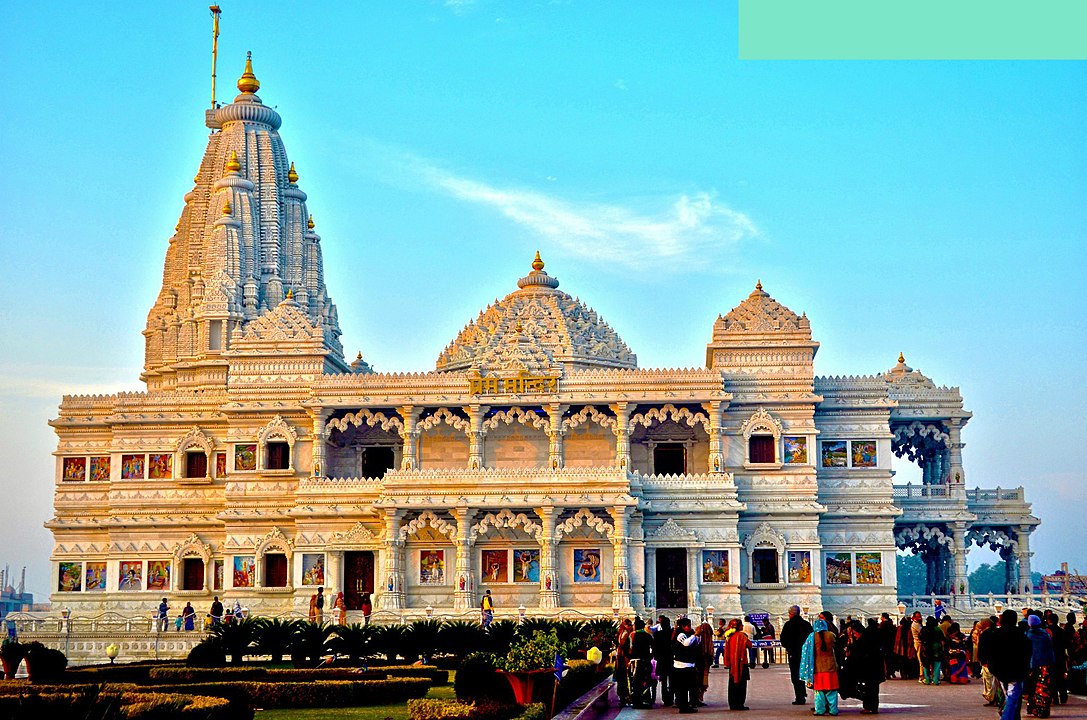
Chaar Dhaam Mandir in Vrindavan is a unique Hindu temple that allows devotees to experience the spiritual essence of India’s four sacred pilgrimage sites—Badrinath, Dwarka, Jagannath Puri, and Rameswaram—at a single location. The temple is especially popular among pilgrims who wish to seek the blessings of all four dhams without undertaking the long and physically demanding journeys across the country.
Situated in the holy town of Vrindavan, the temple attracts thousands of devotees throughout the year. It is known for its peaceful atmosphere, beautifully crafted shrines, and spiritual ambiance. The temple complex features replicas of the four sacred dhams along with shrines dedicated to Lord Krishna, Radha Rani, Lord Shiva, Lord Vishnu, Goddess Durga, and several other Hindu deities.
Visitors appreciate the temple not only for its religious significance but also for its clean surroundings and well-maintained premises. The peaceful environment makes it an ideal place for meditation, prayer, and family visits. During festivals such as Janmashtami, Ram Navami, Shivratri, and Diwali, the temple is beautifully decorated, and special prayers and devotional programs are organized.
For devotees visiting Vrindavan, Chaar Dhaam Mandir offers a spiritually enriching experience by bringing together the symbolism of India’s most revered pilgrimage destinations under one roof.
History of Chaar Dhaam Mandir
Chaar Dhaam Mandir was established with the vision of making the spiritual significance of the four sacred dhams accessible to devotees who may not be able to travel across India. The founders wanted to create a temple where pilgrims could experience the divine presence of the Char Dham pilgrimage in one sacred complex.
The temple has gradually become one of Vrindavan’s respected spiritual attractions. Over the years, it has undergone continuous development, with beautifully designed shrines, landscaped gardens, and improved facilities for visitors. The architecture reflects traditional Hindu temple styles while incorporating elements inspired by the original Char Dham temples.
Apart from being a place of worship, the temple also promotes Hindu culture through regular bhajan sessions, religious discourses, and celebrations of major Hindu festivals. Its peaceful environment attracts not only pilgrims but also tourists interested in India’s spiritual heritage.
Today, Chaar Dhaam Mandir stands as a symbol of devotion, unity, and the timeless traditions of Sanatan Dharma.
Spiritual Significance
- Represents the sacred Char Dham pilgrimage in one location.
- Symbolizes the unity of major Hindu pilgrimage traditions.
- Offers devotees an opportunity to seek blessings from all four dhams.
- Encourages spiritual growth through prayer and meditation.
- Promotes devotion to Lord Vishnu, Lord Shiva, Lord Krishna, and other deities.
- Considered an auspicious place for families and senior citizens unable to undertake the actual Char Dham Yatra.
- Regular bhajans, aartis, and religious events enhance the spiritual atmosphere.
Architecture of Chaar Dhaam Mandir Vrindavan
Traditional Hindu Architecture: The temple is built in a traditional Indian style, featuring beautifully carved pillars, ornate gateways, and elegant temple towers (shikharas).
Char Dham-Inspired Design: The complex is uniquely designed to represent the four sacred pilgrimage sites—Badrinath, Dwarka, Jagannath Puri, and Rameswaram—with dedicated shrines inspired by each dham.
Grand Entrance: The temple welcomes visitors with a majestic entrance adorned with intricate carvings, decorative arches, and religious motifs.
Marble Construction: High-quality white marble flooring and stonework enhance the temple’s beauty while creating a peaceful and clean environment for devotees.
Beautiful Sanctums: Each shrine houses finely crafted idols of Hindu deities, decorated with traditional ornaments, colorful attire, and fresh flower garlands.
Intricate Carvings: The walls, ceilings, and pillars feature detailed carvings of Hindu symbols, floral patterns, and scenes from sacred scriptures.
Decorative Domes and Shikharas: Multiple domes and towering shikharas give the temple a majestic appearance and reflect the grandeur of traditional temple architecture.
Spacious Prayer Halls: Large prayer halls provide ample space for devotees to participate in daily worship, bhajans, and religious ceremonies.
Landscaped Gardens: The temple complex includes well-maintained gardens, walking paths, and green spaces that add to its serene atmosphere.
Meditation Areas: Quiet corners and open spaces are designed for meditation, prayer, and spiritual reflection.
Natural Lighting and Ventilation: The structure is designed to allow plenty of natural light and fresh air, creating a calm and comfortable environment.
Festival Decorations: During major Hindu festivals, the temple is adorned with colorful lights, flowers, and decorative elements that further enhance its architectural beauty.
Blend of Spirituality and Aesthetics: Every architectural element is designed to inspire devotion while offering visitors a visually captivating and peaceful experience.
Main Deities at Chaar Dhaam Mandir Vrindavan
Chaar Dhaam Mandir in Vrindavan houses several sacred deities representing the four holy pilgrimage sites of India along with other important Hindu gods and goddesses. The temple allows devotees to offer prayers to multiple deities in a single spiritual journey.
1. Lord Badrinarayan (Badrinath)
Lord Badrinarayan, a form of Lord Vishnu, is one of the principal deities of the temple. The shrine symbolizes the sacred Badrinath Dham in Uttarakhand. Devotees worship Him for protection, wisdom, prosperity, and liberation from worldly attachments.
2. Lord Dwarkadhish (Lord Krishna)
Representing Dwarka Dham in Gujarat, Lord Dwarkadhish is worshipped as the divine king of Dwarka. Devotees seek His blessings for success, righteousness, and spiritual guidance.
3. Lord Jagannath
The temple features the sacred idols of Lord Jagannath along with His elder brother Lord Balabhadra and sister Goddess Subhadra, representing Jagannath Puri Dham in Odisha. Their colorful and distinctive idols attract devotees from across the country.
4. Lord Ramanathaswamy (Lord Shiva)
Representing Rameswaram Dham in Tamil Nadu, Lord Shiva is worshipped in the form of a Shiva Lingam. Devotees offer prayers for peace, strength, good health, and spiritual growth.
5. Radha and Lord Krishna
A beautifully decorated shrine of Radha Rani and Lord Krishna reflects the divine love and spiritual heritage of Vrindavan. Daily worship, bhajans, and aartis are performed before the deities.
6. Lord Ganesha
Lord Ganesha, the remover of obstacles and the deity of wisdom and new beginnings, is worshipped before the commencement of religious rituals and auspicious occasions.
7. Goddess Durga
The temple also has a shrine dedicated to Goddess Durga, who symbolizes divine strength, courage, and protection from negative forces.
8. Lord Hanuman
Lord Hanuman is worshipped for his unwavering devotion to Lord Rama, immense strength, and courage. Many devotees offer prayers to seek protection, confidence, and success in life’s challenges.
9. Other Hindu Deities
Apart from the principal shrines, the temple also houses idols of various other Hindu gods and goddesses, allowing devotees to offer prayers to multiple forms of the Divine within the same sacred complex.
Major Attractions inside Chaar Dhaam Mandir Vrindavan
1. Char Dham Replica Shrines
The main attraction of the temple is its beautifully designed shrines representing the four sacred pilgrimage sites of India—Badrinath, Dwarka, Jagannath Puri, and Rameswaram. Devotees can seek the blessings of all four dhams in one place, making it a unique spiritual destination.
2. Magnificent Deity Idols
The temple houses beautifully adorned idols of Lord Badrinarayan, Lord Dwarkadhish (Krishna), Lord Jagannath, Lord Balabhadra, Goddess Subhadra, Lord Shiva, Radha-Krishna, Lord Ganesha, Goddess Durga, and Lord Hanuman. The deities are decorated daily with traditional attire, flowers, and ornaments.
3. Peaceful Prayer Halls
The spacious prayer halls provide a serene environment where devotees can meditate, chant, and participate in devotional activities. The calm atmosphere makes it an ideal place for spiritual reflection.
4. Beautiful Marble Interiors
The temple’s elegant marble flooring, intricately carved pillars, decorative ceilings, and traditional artwork create a peaceful and visually appealing environment for visitors.
5. Daily Aarti and Bhajan Sessions
One of the highlights of the temple is the daily aarti and devotional bhajan programs. The chanting of hymns, ringing of bells, and devotional music create a deeply spiritual experience.
6. Landscaped Gardens and Courtyards
The temple complex features well-maintained gardens, open courtyards, and walking paths where visitors can relax, meditate, and enjoy the peaceful surroundings.
7. Shiva Lingam Shrine
The sacred Shiva Lingam, representing Rameswaram Dham, is an important place of worship where devotees offer water, milk, and prayers for blessings and spiritual well-being.
8. Radha-Krishna Shrine
The beautifully decorated shrine of Radha and Lord Krishna is one of the most visited sections of the temple. Devotees gather here to offer prayers and participate in Krishna bhakti.
9. Spiritual Ambience
The temple’s tranquil environment, devotional music, incense, and beautifully maintained premises create a deeply spiritual atmosphere that attracts pilgrims and tourists alike.
10. Festival Decorations
During festivals such as Janmashtami, Ram Navami, Maha Shivratri, Navratri, and Diwali, the temple is adorned with colorful lights, flowers, and decorative displays. Special pujas, kirtans, and cultural programs make these celebrations especially memorable for visitors.
Chaar Dhaam Mandir Vrindavan Timings
The temple is generally open every day for devotees and visitors.
Session Timings
Morning Darshan 6:00 AM – 12:00 PM
Evening Darshan 4:00 PM – 8:00 PM
Aarti Timings
- Morning Aarti: Around 7:00 AM
- Evening Aarti: Around 6:30 PM
Best Time for Darshan
- Early morning hours (6:00 AM–9:00 AM) are ideal for a peaceful darshan.
- Evening aarti is a popular time to visit, as the temple atmosphere becomes especially devotional with bhajans, prayers, and lamp offerings
Note: Temple and aarti timings may vary slightly during major festivals, special religious events, and public holidays. It is advisable to check the latest schedule before planning your visit.
Nearby Attractions to Chaar Dhaam Mandir Vrindavan
1. Prem Mandir
Located a short distance from Chaar Dhaam Mandir, Prem Mandir is one of Vrindavan’s most famous temples. Dedicated to Radha Krishna and Sita Ram, the temple is known for its stunning white marble architecture, intricate carvings, musical fountain shows, and beautiful evening illumination.
2. Banke Bihari Temple
One of the most revered temples in Vrindavan, Banke Bihari Temple is dedicated to Lord Krishna in his charming Banke Bihari form. The temple attracts thousands of devotees daily and is renowned for its unique darshan tradition and vibrant devotional atmosphere.
3. ISKCON Vrindavan
Also known as Krishna Balaram Mandir, ISKCON Vrindavan is a major spiritual center that attracts devotees from around the world. The temple is famous for its beautiful deities, daily kirtans, Bhagavad Gita teachings, and peaceful environment.
4. Nidhivan
Nidhivan is one of the most mysterious and sacred places in Vrindavan. According to local belief, Lord Krishna and Radha perform their divine Raas Leela here every night. The site is filled with twisted Tulsi trees and carries immense spiritual significance.
5. Seva Kunj
Located near Nidhivan, Seva Kunj is believed to be the place where Lord Krishna lovingly served Radha Rani. The tranquil gardens and devotional atmosphere make it a peaceful destination for pilgrims.
6. Radha Raman Temple
Established in the 16th century, this historic temple houses the self-manifested deity of Lord Krishna known as Radha Raman Ji. It is one of the most respected temples in Vrindavan and is known for its traditional worship practices.
7. Shri Rangji Temple
This magnificent South Indian-style temple is dedicated to Lord Ranganatha, a reclining form of Lord Vishnu. Its towering gopuram, spacious courtyards, and unique architecture distinguish it from other temples in the region.
8. Govind Dev Ji Temple
Built in the 16th century, Govind Dev Ji Temple is an architectural masterpiece of red sandstone. Although partially ruined, it remains one of the most historically significant temples in Vrindavan.
9. Keshi Ghat
Situated on the banks of the Yamuna River, Keshi Ghat is associated with the legend of Lord Krishna defeating the demon Keshi. Visitors can enjoy evening aarti, boat rides, and beautiful river views.
10. Pagal Baba Temple
Known for its multi-storey structure and striking white marble design, Pagal Baba Temple is a prominent landmark in Vrindavan. Each floor contains shrines dedicated to different Hindu deities.
11. Birla Temple Vrindavan
Also known as Gita Mandir, this temple is famous for its beautiful architecture and inscriptions from the Bhagavad Gita carved on its walls.
12. Maa Vaishno Devi Dham
A popular attraction featuring a cave-style replica of the famous Vaishno Devi shrine in Jammu. Devotees can experience a similar pilgrimage atmosphere within Vrindavan itself.
Things to Keep in Mind While Visiting Chaar Dhaam Mandir Vrindavan
1. Dress Modestly
Since Chaar Dhaam Mandir is a sacred place of worship, visitors should wear decent and respectful clothing. Avoid overly revealing outfits and opt for comfortable attire suitable for a temple visit.
2. Remove Footwear Before Entering
Like most Hindu temples, footwear is not allowed inside the temple premises. Use the designated shoe-keeping area before entering the temple.
3. Maintain Silence and Decorum
Keep noise levels low and avoid loud conversations inside the temple. Maintaining a peaceful atmosphere helps preserve the spiritual environment for all devotees.
4. Follow Temple Rules
Pay attention to temple guidelines regarding darshan, photography, offerings, and movement within the complex. Follow instructions given by temple staff and volunteers.
5. Check Temple Timings in Advance
Although the temple generally follows regular opening hours, timings may change during festivals, special pujas, or religious events. It is advisable to confirm the schedule before visiting.
6. Visit Early for a Peaceful Experience
Morning hours are usually less crowded and provide a calm atmosphere for darshan, meditation, and exploring the temple complex.
7. Carry Water During Summer
Vrindavan can become very hot during the summer months. Carry a water bottle and stay hydrated, especially if you plan to visit multiple temples in a single day.
8. Respect Photography Restrictions
Photography may be restricted in certain shrine areas. Always seek permission and avoid using flash photography where it is not allowed.
9. Keep Your Belongings Safe
While the temple is generally safe, it is advisable to keep your valuables, wallets, mobile phones, and important documents secure, especially during crowded festival days.
10. Be Prepared for Crowds During Festivals
The temple receives a large number of devotees during Janmashtami, Ram Navami, Navratri, Diwali, and other major Hindu festivals. Arrive early if visiting during these occasions.
11. Use Eco-Friendly Practices
Help maintain the cleanliness of the temple by using dustbins, avoiding littering, and respecting the sanctity of the premises.
12. Plan Nearby Temple Visits
Chaar Dhaam Mandir is located close to several major attractions such as Prem Mandir, ISKCON Temple, Banke Bihari Temple, Nidhivan, and Keshi Ghat. Planning your itinerary in advance can help you cover multiple sites comfortably.
13. Respect Religious Sentiments
Avoid inappropriate behavior, loud music, or activities that may disturb worshippers. Show respect toward religious rituals, temple traditions, and fellow devotees.
14. Carry Cash for Donations and Prasad
While digital payments may be available in some places, carrying a small amount of cash can be useful for donations, prasad, or local transportation.
15. Allow Enough Time for Exploration
The temple complex contains multiple shrines and peaceful areas for meditation. Set aside at least 1–2 hours to fully appreciate its spiritual atmosphere and architectural beauty.
How to Reach Chaar Dhaam Mandir Vrindavan
Chaar Dhaam Mandir is located in the holy city of Vrindavan, Uttar Pradesh, and is easily accessible by road, rail, and air from major cities across India.
1. By Road
Vrindavan has excellent road connectivity with Delhi, Noida, Agra, Jaipur, and other nearby cities. Regular buses, private taxis, and self-drive vehicles can be used to reach the temple. From the main Vrindavan bus stand, auto-rickshaws and e-rickshaws are readily available for local transportation.
- Delhi to Vrindavan: Approximately 160 km (3–4 hours)
- Agra to Vrindavan: Approximately 75 km (1.5–2 hours)
- Noida to Vrindavan: Approximately 145 km (3 hours)
2. By Train
The nearest railway station is Mathura Junction Railway Station, located about 12–15 km from Chaar Dhaam Mandir. It is well connected to major cities such as Delhi, Mumbai, Kolkata, Chennai, Jaipur, and Lucknow.
After reaching Mathura Junction, visitors can hire:
- Auto-rickshaws
- E-rickshaws
- Taxis
- App-based cabs
to reach the temple within 20–30 minutes, depending on traffic.
3. By Air
The nearest airport is Agra Airport, approximately 75 km away. However, most travelers prefer arriving at Indira Gandhi International Airport, which is around 160–170 km from Vrindavan and offers better domestic and international connectivity.
From the airport, you can hire a taxi or take a bus/train to Mathura and then proceed to the temple.
4. Local Transportation in Vrindavan
Within Vrindavan, the most convenient modes of transport include:
- E-rickshaws
- Auto-rickshaws
- Cycle rickshaws
- Local taxis
These options make it easy to travel between Chaar Dhaam Mandir and other popular attractions such as Prem Mandir, ISKCON Temple, Banke Bihari Temple, and Nidhivan.
(FAQs) About Chaar Dhaam Mandir Vrindavan
Where is Chaar Dhaam Mandir located?
The temple is located in Vrindavan, Uttar Pradesh, one of India's most important pilgrimage destinations associated with the life of Lord Krishna.
Why is Chaar Dhaam Mandir famous?
The temple is famous for its replicas of the four sacred Char Dham shrines, beautiful architecture, peaceful atmosphere, and the opportunity it provides devotees to seek blessings from all four dhams during a single visit.
What are the temple timings of Chaar Dhaam Mandir?
The temple generally remains open from 6:00 AM to 12:00 PM and 4:00 PM to 8:00 PM. Timings may vary on festivals and special occasions.
Is there any entry fee for visiting Chaar Dhaam Mandir?
No, entry to Chaar Dhaam Mandir is generally free for all devotees and visitors.
Which deities are worshipped in Chaar Dhaam Mandir?
The temple houses shrines dedicated to Lord Badrinarayan, Lord Dwarkadhish (Krishna), Lord Jagannath, Lord Balabhadra, Goddess Subhadra, Lord Shiva, Radha-Krishna, Lord Ganesha, Goddess Durga, and Lord Hanuman.
What is the best time to visit Chaar Dhaam Mandir?
The best time to visit is between October and March, when the weather in Vrindavan is pleasant. Visiting during Janmashtami, Diwali, Navratri, and Maha Shivratri offers a more vibrant spiritual experience.
How can I reach Chaar Dhaam Mandir from Mathura Junction?
Mathura Junction is approximately 12–15 km from the temple. Visitors can easily hire auto-rickshaws, e-rickshaws, taxis, or app-based cabs to reach the temple.
Can I visit Chaar Dhaam Mandir along with other temples in Vrindavan?
Yes. Chaar Dhaam Mandir is often included in a Vrindavan temple tour along with Prem Mandir, ISKCON Temple, Banke Bihari Temple, Nidhivan, Seva Kunj, and Keshi Ghat.
Are photography and mobile phones allowed inside the temple?
Photography policies may vary depending on the area of the temple. Visitors should follow the temple's guidelines and seek permission before taking photographs inside the shrine areas.