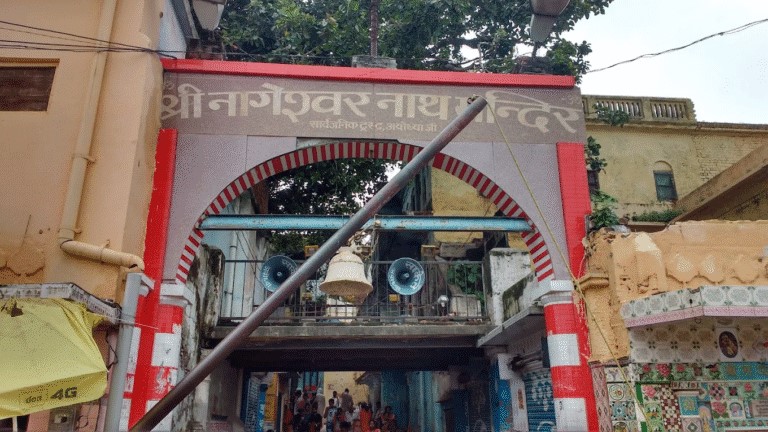
Nestled on the serene banks of the holy Saryu River, Guptar Ghat is one of the most spiritually significant and peaceful destinations in Ayodhya. Away from the bustling crowds of temples, this sacred ghat holds deep religious importance as the place where Lord Rama is believed to have taken Jal Samadhi (final departure from Earth).
Whether you are a devotee, a history enthusiast, or a traveler seeking tranquility, Guptar Ghat offers a soulful experience that connects mythology, spirituality, and natural beauty.
Historical Significance of Guptar Ghat
Located on the serene banks of the Saryu River in Ayodhya, Guptar Ghat holds immense historical and mythological importance in Hindu tradition. It is not just a riverside ghat, but a sacred site deeply connected to the life and legacy of Lord Rama.
1. The Place of Lord Rama’s Final Departure
According to ancient texts like the Ramayana, Guptar Ghat is believed to be the exact place where Lord Rama took Jal Samadhi—a voluntary departure from the earthly world by entering the sacred waters of the Saryu River.
After completing his divine mission and ruling Ayodhya, Lord Rama walked into the river and disappeared, returning to his divine form as an incarnation of Lord Vishnu. This event marks the end of the Ramayana era and is considered one of the most spiritually significant moments in Hindu belief.
2. Meaning Behind the Name “Guptar”
The name Guptar is derived from the word “Gupt”, meaning “hidden” or “secret.” It symbolizes the mysterious and divine disappearance of Lord Rama from the mortal world.
This association gives the ghat a unique identity among all sacred places in Ayodhya.
3. Ancient Pilgrimage Site
For centuries, Guptar Ghat has been an important stop for pilgrims visiting Ayodhya. Devotees come here to:
- Pay tribute to Lord Rama’s final journey
- Perform rituals for ancestors (tarpan and pind daan)
- Take holy dips in the Saryu River
Its continuous relevance over generations reflects its deep-rooted place in religious history.
4. Historical Temple Associations
The ghat is surrounded by several ancient temples, especially the Chakra Hari Temple, linked to Lord Vishnu. According to belief, this is where Lord Vishnu left his Sudarshan Chakra, further enhancing the sacred importance of the site.
These temples reflect the architectural and devotional traditions that have evolved over centuries in Ayodhya.
5. Cultural & Spiritual Legacy
Guptar Ghat is not only historically significant but also culturally important. It represents:
- The conclusion of Lord Rama’s earthly story
- A symbol of detachment and spiritual liberation (moksha)
- A place where mythology and history blend seamlessly
The ghat continues to be a living heritage site where traditions, rituals, and faith are practiced daily.
Temples at Guptar Ghat
Guptar Ghat, located on the banks of the Saryu River in Ayodhya, is surrounded by several small yet spiritually significant temples. These temples enhance the divine atmosphere of the ghat and attract devotees throughout the year.
Here are the main temples you should explore at Guptar Ghat:
1. Chakra Hari Temple:
This is the most important temple at Guptar Ghat.
- Dedicated to Lord Vishnu
- Believed to be the place where Lord Vishnu left his Sudarshan Chakra
- Considered highly sacred due to its connection with the divine presence of Vishnu
It is a must-visit temple when you are at Guptar Ghat.
2. Ram-Janaki Temple:
A peaceful temple dedicated to:
- Lord Rama
- Sita
This temple allows devotees to offer prayers in a calm and less crowded environment compared to other major temples in Ayodhya
3. Narsingh Temple:
- Dedicated to Narasimha (the fierce avatar of Lord Vishnu)
- Represents protection of devotees and victory of good over evil
4. Hanuman Temple (Nearby)
- Dedicated to Lord Hanuman
- Devotees often visit this temple for strength, courage, and devotion
5. Other Small Shrines
Apart from the main temples, you will also find:
- Local shrines dedicated to various Hindu deities
- Small worship spots maintained by priests
- Sacred platforms used for rituals and offerings
These add to the spiritual charm of the ghat.
What to explore at Guptar Ghat
Guptar Ghat in Ayodhya is not just a single spot—it’s a complete spiritual and scenic experience. Here’s everything you should explore when visiting this peaceful riverside destination:
1. Holy Dip in the Saryu River
The main attraction is the sacred Saryu River. Devotees believe that taking a dip here purifies the soul and washes away sins. Early morning baths are especially considered auspicious.
2. Mesmerizing Sunrise & Sunset Views
Guptar Ghat is one of the best places in Ayodhya to witness:
- Calm sunrise with spiritual chants
- Golden sunset reflecting on the river
The peaceful environment makes it perfect for photography and relaxation.
3. Evening Aarti Experience
Don’t miss the evening aarti at the ghat. The sight of diyas, chanting, and the flowing river creates a deeply spiritual atmosphere.
4. Meditation & Peaceful Walks
Guptar Ghat is quieter than other Ayodhya spots, making it ideal for:
- Meditation
- Yoga
- Silent riverside walks
It’s perfect if you want to connect spiritually without crowds.
5. Rituals & Tarpan Ceremonies
Many visitors come here to perform:
- Pind daan
- Tarpan for ancestors
Priests are available near the ghat to guide you through rituals.
6. Boating on the Saryu River
You can enjoy a calm boat ride, especially during sunrise or sunset. It gives a beautiful view of the ghats and surrounding temples.
7. Photography & Scenic Spots
The ghat offers great spots for:
- Riverfront photography
- Temple architecture shots
- Spiritual lifestyle captures
8. Experience the Mythological Connection
This is the place where Lord Rama is believed to have taken Jal Samadhi. Simply sitting here and absorbing the atmosphere is a spiritual experience in itself.
Best Time to Visit
The ideal time to visit Guptar Ghat is:
- October to March – Pleasant weather, perfect for sightseeing
During festivals like:
- Diwali (especially Ayodhya Deepotsav)
- Ram Navami
- Kartik Purnima
During these times, the ghat is beautifully decorated and filled with devotional energy.
Food Options Available at Guptar Ghat
At Guptar Ghat in Ayodhya, food options are simple, local, and mostly vegetarian, reflecting the spiritual nature of the place. You won’t find big restaurants right on the ghat, but there are small stalls, cafés, and nearby eateries offering a decent variety.
Street Food & Local Snacks (At the Ghat)
Right at Guptar Ghat, you’ll mostly find small vendors selling:
- Chai (tea)
- Samosa, kachori
- Chaat items (papdi chaat, aloo tikki)
- Roasted peanuts & light snacks
- Sweets like jalebi
These are quick, affordable options for visitors. Travelers often mention enjoying simple snacks and chai by the riverside.
Small Cafés & Fast Food (Within Ghat Area)
1. Italia Cafe
- Located very close to Guptar Ghat.
- Offers coffee, burgers, sandwiches, pasta.
- Good for relaxing after sightseeing.
2. M3 Momo Wala
- Popular for momos and quick bites.
- Budget-friendly street-style fast food.
Nearby Restaurants (2–5 km from Ghat)
1. Tipsy Town
- Trendy café-style restaurant.
- Serves Italian, Mexican & fusion dishes.
2. Kanak – A Pure Veg Delight
- One of the best pure veg restaurants in Ayodhya.
- Offers North Indian, Chinese & more.
3. M3 Cafe & Restaurant – Best Family Restaurant
- Family-friendly dining.
- North Indian and Chinese meals.
What Kind of Food to Expect
- Mostly pure vegetarian food (Ayodhya is a religious city)
- Focus on North Indian cuisine
- Limited but growing café culture
- Plenty of budget-friendly options
How to Reach Guptar Ghat
Guptar Ghat is located on the peaceful banks of the Saryu River in Ayodhya. It is well-connected by air, rail, and road, making it easy for pilgrims and travelers to visit.
1. By Air
The nearest airport is:
- Maharishi Valmiki International Airport
Distance: 8–10 km from Guptar Ghat
From the airport, you can hire:
- Taxi / cab
- Auto-rickshaw
Travel time: around 20–30 minutes
2. By Train
The nearest railway stations are:
- Ayodhya Dham Junction (main station)
- Ayodhya Cantt Railway Station
Distance: 6–8 km
From the station, you can take:
- Auto-rickshaw
- E-rickshaw
- Taxi
Travel time: 15–25 minutes
3. By Road
Ayodhya is well connected by road to major cities in Uttar Pradesh and nearby states.
-
Bus Services
Regular buses run from:
- Lucknow (approx. 135 km)
- Varanasi (approx. 220 km)
- Prayagraj
-
By Car:
You can easily drive via well-maintained highways. Parking is available near the ghat area.
4. Local Transport in Ayodhya
Once you reach Ayodhya, reaching Guptar Ghat is simple:
- Auto-rickshaws (most common)
- E-rickshaws (budget-friendly)
- Taxis / cabs
Just tell the driver “Guptar Ghat” – it’s a well-known location.
Conclusion
A visit to Guptar Ghat in Ayodhya is a journey into the spiritual heart of India. Whether you come for devotion, history, or peace, the sacred waters of the Saryu River and the divine aura of Lord Rama’s final moments leave a lasting impression on every visitor.
If you’re planning a trip to Ayodhya, make sure Guptar Ghat is on your itinerary—it’s a place where faith, history, and tranquility beautifully come together.