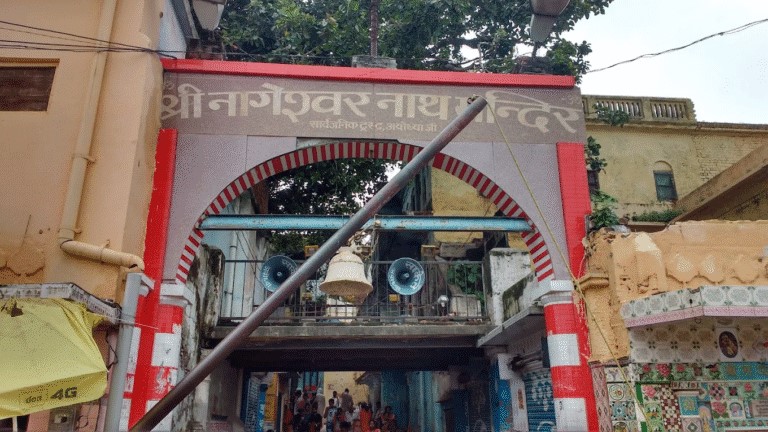
Ayodhya, the eternal city of Lord Ram, is one of the most sacred pilgrimage destinations in India. Every street, temple, and ghat of this holy city carries memories of the Ramayana. Among the many revered sites in Ayodhya, Sita Ki Rasoi holds a very special place in the hearts of devotees. It is believed to be the ancient royal kitchen of Mata Sita, where she prepared food after arriving in Ayodhya as the bride of Lord Ram.
This sacred place is not just associated with food or household duties—it symbolizes devotion, humility, purity, family values, and the divine grace of Goddess Sita. Thousands of pilgrims visit Sita Ki Rasoi every year to seek blessings for peace, prosperity, harmony, and happiness in their homes.
What is Sita Ki Rasoi?
Sita Ki Rasoi literally means “Sita’s Kitchen.” According to local tradition and religious belief, this is the place where Mata Sita cooked meals for the royal family after her marriage to Lord Ram.
In Hindu culture, the kitchen is considered the heart of the home, where nourishment, care, and blessings begin. Since Mata Sita is regarded as the ideal wife, queen, and embodiment of virtue, this sacred kitchen represents her loving service and dedication toward family life.
Today, Sita Ki Rasoi is preserved as a temple-like shrine where devotees come to honor Mata Sita and remember her divine qualities.
Mythological Importance of Sita Ki Rasoi
The significance of Sita Ki Rasoi is deeply connected to the story of the Ramayana.
After Lord Ram and Mata Sita were married in Mithila and came to Ayodhya, Mata Sita became part of the royal household of King Dashrath. Though she was a queen, tradition says she embraced domestic responsibilities with humility and grace. She lovingly prepared food and cared for the family.
This reflects an important spiritual message in Hindu tradition—that no work is small when done with love, duty, and devotion.
Mata Sita’s kitchen became a symbol of:
- Selfless service
- Family harmony
- Simplicity in royal life
- Respect for responsibilities
- Nourishment with love
Because of this, many devotees especially women and newly married couples visit this sacred site to seek blessings.
Cultural Importance of Sita Ki Rasoi
The shrine also reflects Indian family traditions where the kitchen is seen as a place of nourishment, abundance, and blessings. Mata Sita’s association with the kitchen elevates domestic life into spiritual life.
It reminds society to value care work, compassion, and family unity.
Unique Experience of Visiting Sita Ki Rasoi
Unlike grand monuments, Sita Ki Rasoi offers a deeply emotional experience. It allows devotees to imagine the everyday divine life of Lord Ram and Mata Sita—not only as rulers, but as members of a loving household.
This connection makes the shrine intimate and heartfelt.
Many visitors feel peace here because the site celebrates ordinary acts of love, care, and duty as sacred.
Historical Background of Sita Ki Rasoi
Although the exact age of the present structure is uncertain, the place has been revered for centuries. Local saints, devotees, and pilgrims have long identified this site as the kitchen of Mata Sita.
Over time, temples and structures in Ayodhya underwent many changes due to natural aging, rebuilding, and historical events. The present shrine has been renovated several times, but the faith attached to the place remains ancient and strong.
Even today, devotees do not come here merely to see architecture—they come to experience a living tradition connected to the Ramayana.
Darshan Timings of Sita Ki Rasoi
Temple timings may vary by season, management decisions, or festivals. General visiting hours are:
- Morning: 6:00 AM to 12:00 PM
- Evening: 4:00 PM to 8:00 PM
Morning darshan offers a calm spiritual atmosphere, while evenings are ideal for devotional visits.
Architecture of Sita Ki Rasoi
Sita Ki Rasoi may not be as grand as some large temple complexes, but its spiritual charm lies in its simplicity.
Main Architectural Features:
1. Traditional Temple Design
The shrine follows a traditional North Indian religious style with decorated entrances and sanctified interiors.
2. Sacred Idols
Inside the temple, devotees can see idols of:
- Lord Ram
- Mata Sita
- Lakshman
- Bharat
- Shatrughna
Some areas may also display Ram Darbar style arrangements.
3. Symbolic Kitchen Objects
Traditional utensils, vessels, grinding stones, and cooking-related items are kept as symbolic representations of Mata Sita’s kitchen.
4. Decorative Elements
Walls may feature devotional paintings, colourful artwork, and religious symbols connected with the Ramayana.
5. Spiritual Atmosphere
The temple remains peaceful, devotional, and ideal for prayer.
Why Sita Ki Rasoi is Spiritually Important
Sita Ki Rasoi is not only a historical place—it teaches timeless spiritual values.
1. Respect for Household Duties
The shrine reminds devotees that caring for family is sacred work.
2. Power of Simplicity
Even as a queen, Mata Sita lived humbly and gracefully.
3. Devotion through Service
Acts of care done with love become worship.
4. Blessings for Family Harmony
Many pray here for peace and unity in their homes.
5. Feminine Strength and Virtue
Mata Sita represents patience, courage, and dignity.
What Devotees Pray For Here
Pilgrims visiting Sita Ki Rasoi often pray for:
- Happy married life
- Loving family relationships
- Prosperity in the home
- Good health of family members
- Blessings for children
- Patience during difficulties
- Peaceful domestic life
- Wisdom and strength for women
Newly married couples and families often consider this darshan especially auspicious.
Best Time to Visit Sita Ki Rasoi
Ayodhya can be visited all year, but some seasons are more comfortable.
1. October to March
Best weather for sightseeing and temple visits.
2. Ram Navami
Ayodhya celebrates the birth of Lord Ram with grand devotion.
3. Diwali / Deepotsav
The city glows with lamps and festive celebrations.
4. Vivah Panchami
Celebrates the divine wedding of Ram and Sita.
5. Shravan and Kartik Months
Spiritually significant months for temple visits.
Travel Tips for Visitors
- Wear traditional or modest clothing.
- Remove footwear before entering.
- Respect temple rules.
- Keep the premises clean.
- Visit early morning to avoid crowds.
- Carry water in summer.
- Keep mobile phones silent.
- Combine visit with nearby temples.
- Respect queues and security checks.
How to Reach Sita Ki Rasoi
1. By Air:
Nearest airport:
- Maharishi Valmiki International Airport, Ayodhya
From the airport, taxis and cabs are available.
2. By Train
Nearest railway stations:
- Ayodhya Dham Junction
- Ayodhya Cantt Railway Station
Both stations have good connectivity.
3. By Road
Ayodhya is connected by roads from:
- Lucknow
- Varanasi
- Prayagraj
- Gorakhpur
- Delhi
- Kanpur
Buses, taxis, and private vehicles can easily reach the city.
4. Local Transport
Within Ayodhya:
- Auto-rickshaws
- E-rickshaws
- Cycle rickshaws
- Taxis
Conclusion
Sita Ki Rasoi in Ayodhya is one of the most meaningful spiritual sites connected with Mata Sita. More than a temple, it is a symbol of devotion, purity, love, and sacred responsibility.
For pilgrims visiting Ayodhya, Sita Ki Rasoi offers a chance to experience the gentle and divine side of the Ramayana tradition. It teaches that true greatness lies not only in power or status, but in humility, service, and unconditional love.
A visit to Ayodhya becomes even more complete when you seek blessings at this sacred kitchen of Mata Sita.