Rameswaram, also spelled Rameshwaram, is one of the most important pilgrimage and tourist destinations in Tamil Nadu. Located on Pamban Island in the Gulf of Mannar, the town is famous for its deep connection with the Ramayana, the magnificent Ramanathaswamy Temple, beautiful beaches, sacred theerthams, Pamban Bridge, and the hauntingly beautiful ruins of Dhanushkodi.
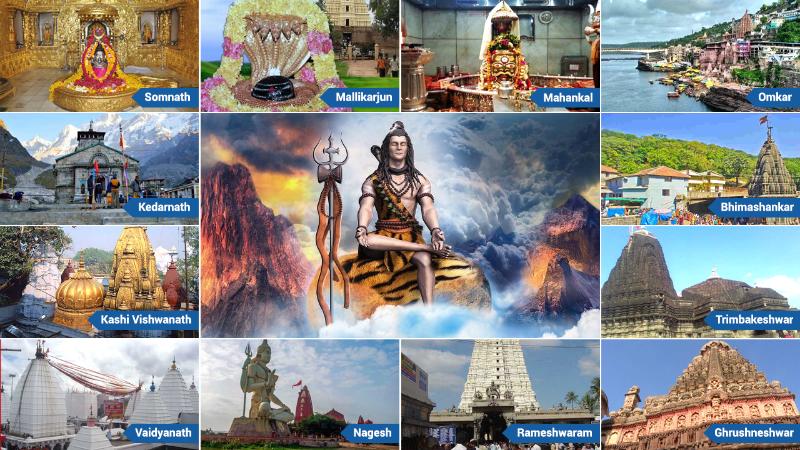
For Hindu pilgrims, Rameswaram holds exceptional religious importance as one of the Char Dham pilgrimage destinations and one of the twelve Jyotirlinga sites dedicated to Lord Shiva. The town is also closely associated with Lord Rama, Goddess Sita and the legendary journey to Lanka.
However, Rameswaram is not only a pilgrimage destination. Its coastal landscapes, historic monuments, marine surroundings, cultural attractions and connection with former President Dr. A.P.J. Abdul Kalam make it an interesting destination for families, history lovers, photographers, nature enthusiasts and spiritual travellers.
About Rameswaram
Rameswaram is located in Ramanathapuram district in southeastern Tamil Nadu. The town lies on Pamban Island and is connected to mainland India by the famous Pamban Bridge. It is situated close to Sri Lanka, with the Gulf of Mannar surrounding the island.
The town is traditionally associated with the Ramayana. According to Hindu belief, Lord Rama worshipped Lord Shiva here before travelling towards Lanka to rescue Sita. The region is also associated with the legendary Ram Setu.
Rameswaram has developed around the Ramanathaswamy Temple, which remains the spiritual heart of the town. Alongside the temple, visitors can explore sacred water bodies, beaches, historical sites and coastal villages.
Why Is Rameswaram Famous?
Rameswaram is famous for several reasons:
- Ramanathaswamy Temple and its Jyotirlinga
- Association with Lord Rama and the Ramayana
- Char Dham pilgrimage significance
- Sacred Agni Theertham and other theerthams
- Magnificent Dravidian temple architecture
- Long temple corridors and intricately carved pillars
- Pamban Bridge
- Dhanushkodi and its cyclone-damaged ruins
- APJ Abdul Kalam Memorial
- Beautiful beaches and coastal landscapes
- Religious and cultural heritage
The combination of spirituality, mythology, history and natural beauty makes Rameswaram one of the most distinctive destinations in South India.
History and Mythological Significance
Rameswaram has a history closely connected with Hindu mythology and the Ramayana. According to traditional belief, Lord Rama came to this region before travelling to Lanka. He worshipped Lord Shiva and established a Shiva lingam, which is associated with the Ramanathaswamy Temple.
One popular temple tradition says that Lord Hanuman was sent to bring a lingam from Kailash. When he was delayed, Sita created a lingam from sand so that Rama could perform the worship at the appointed time. The temple’s traditions preserve this connection between Rama, Shiva, Sita and Hanuman.
Historically, the present Ramanathaswamy Temple developed over several centuries, with major construction and expansion associated with rulers of the region from the medieval period onward. The temple’s architecture reflects the grandeur of South Indian temple-building traditions.
Rameswaram also has an important modern historical connection with Dr. A.P.J. Abdul Kalam, India’s former President and renowned scientist, who was born and raised in the town.
Spiritual Significance of Rameswaram
Rameswaram occupies a special position in Hindu pilgrimage traditions.
1. One of the Char Dham
Rameswaram is traditionally counted among the four major Char Dham pilgrimage destinations of India, alongside Badrinath, Dwarka and Puri.
2. One of the Twelve Jyotirlingas
The Ramanathaswamy Temple houses the revered Ramanathaswamy Jyotirlinga, making Rameswaram an important Shaiva pilgrimage centre.
3. Connection with Lord Rama
The town’s mythology is strongly associated with Lord Rama’s journey to Lanka and his worship of Lord Shiva.
4. Sacred Theerthams
Rameswaram is associated with numerous sacred water bodies known as theerthams. Tradition identifies 64 theerthams in and around the island, with 22 located within the Ramanathaswamy Temple complex.
Top Places to Visit in Rameswaram
1. Ramanathaswamy Temple
The Ramanathaswamy Temple is the most important attraction in Rameswaram and the main reason pilgrims visit the town.
The religious history of Ramanathaswamy Temple is closely connected with the Ramayana. According to Hindu tradition, Lord Rama stopped at Rameswaram before travelling to Lanka to rescue Goddess Sita from Ravana. Rama wished to worship Lord Shiva and asked Hanuman to bring a Shiva lingam from the Himalayas.
According to one popular tradition, Hanuman was delayed in returning with the lingam. To ensure that the worship could be performed at the appropriate time, Goddess Sita created a lingam from sand. This lingam came to be associated with Ramanathaswamy, meaning the Lord worshipped by Rama.
Another tradition states that the lingam brought by Hanuman was also installed and worshipped at the temple. These stories form an important part of the temple’s religious identity, although they belong to sacred tradition rather than documented historical chronology.
The temple is dedicated to Lord Shiva and is celebrated for its enormous corridors, beautifully carved pillars, towering gopurams and sacred water tanks. The official district tourism information describes the temple as having a 38-metre gopuram and a remarkable third corridor extending about 197 metres from east to west.
The temple’s architecture is one of its biggest attractions. Even visitors who are not undertaking a pilgrimage can appreciate its massive scale and intricate craftsmanship.
Temple Timings
- Morning: 5:00 AM – 1:00 PM
- Evening: 3:00 PM – 9:00 PM
2. Agni Theertham
Agni Theertham is located close to the Ramanathaswamy Temple and is one of the most important sacred bathing spots in Rameswaram.
Pilgrims traditionally take a holy dip here before or as part of their temple pilgrimage. The calm coastal setting also makes it a popular place to witness sunrise and enjoy the spiritual atmosphere.
Visitors should follow local instructions regarding bathing, clothing, cleanliness and sea conditions.
3. Dhanushkodi
Dhanushkodi is one of the most fascinating places near Rameswaram. Located at the southern tip of the island, it is known for its beaches, coastal landscape, religious significance and remains of the old settlement.
A devastating cyclone in 1964 destroyed much of Dhanushkodi, leaving behind ruins of buildings and other reminders of the former town. The area was subsequently declared uninhabitable.
Today, visitors come here for:
- Dhanushkodi Beach
- Old church ruins
- Remains of the old settlement
- Kothandaramaswamy Temple
- Arichal Munai
- Ocean views
- Photography
- Sunrise and sunset experiences
Dhanushkodi is around 18–20 km from Rameswaram, depending on the point being measured.
4. Arichal Munai
Arichal Munai is located near the end of the Dhanushkodi road and is known for its dramatic coastal scenery.
The area is particularly popular for photography because the landscape consists of sand, sea and open skies. The meeting of different bodies of water around the tip of the island contributes to its distinctive geography and visual appeal.
Visitors should be careful around the shoreline because sea conditions and currents can change.
5. Pamban Bridge
Pamban Bridge is one of the iconic landmarks associated with Rameswaram.
The bridge connects Pamban Island with mainland Tamil Nadu and offers spectacular views of the surrounding sea. The older railway bridge is particularly famous for its historic engineering and distinctive opening mechanism that allowed ships to pass through.
The road bridge and railway infrastructure have played a major role in connecting Rameswaram with the mainland.
For travellers arriving by train, crossing the Pamban area is itself an exciting part of the journey.
6. Dr. A.P.J. Abdul Kalam Memorial
The Dr. A.P.J. Abdul Kalam Memorial is located at Pei Karumbu in Rameswaram. It commemorates Dr. A.P.J. Abdul Kalam, the former President of India and renowned scientist who was born and brought up in Rameswaram.
The memorial features photographs, paintings and models associated with his life and scientific career. It is an especially meaningful attraction for students, families and people interested in India’s space and defence programmes.
7. Panchmukhi Hanuman Temple
Panchmukhi Hanuman Temple is associated with the story of Lord Hanuman and is one of the popular religious attractions in Rameswaram.
The temple is known for its depiction of Hanuman in a five-faced form. Visitors can also find religious traditions connecting the site with the Ramayana.
8. Gandhamadhana Parvatham
Gandhamadhana Parvatham is a small hillock and one of the higher points on Rameswaram Island.
A temple dedicated to Rama’s footprints is located here. The elevated location provides views of the surrounding island and is considered spiritually significant.
It is a good place to combine sightseeing with a quieter spiritual experience.
9. Kothandaramaswamy Temple
Located on the route toward Dhanushkodi, Kothandaramaswamy Temple is another important religious site.
According to local tradition, this is associated with Vibhishana, the brother of Ravana, who is believed to have surrendered to Lord Rama here. Remarkably, the temple survived the 1964 cyclone that devastated Dhanushkodi.
10. Lakshmana Theertham
Lakshmana Theertham is one of the sacred theerthams associated with Rameswaram.
The site is connected with Lakshmana and is visited by pilgrims exploring the religious attractions of the island.
11. Jada Theertham
Jada Theertham is another important sacred water body situated along the route towards Dhanushkodi.
It is associated with the religious traditions of Rameswaram and can be included while exploring the Dhanushkodi side of the island.
12. Villoondi Theertham
Villoondi Theertham is a popular religious and coastal attraction.
It is traditionally counted among the sacred theerthams of Rameswaram and is known for its unusual coastal setting.
13. Ramar Theertham
Ramar Theertham is another sacred site associated with Lord Rama. A temple dedicated to Rama stands near the theertham.
The location can be included in a temple-focused Rameswaram sightseeing tour.
Architecture of Ramanathaswamy Temple
The Ramanathaswamy Temple is one of the finest examples of large-scale South Indian temple architecture.
Its major architectural features include:
- Massive gopurams
- Long pillared corridors
- Intricately carved pillars
- Large temple courtyards
- Sacred water tanks
- Ornamental sculptures
- Elaborate gateways
- Traditional Dravidian design
The temple’s corridors are particularly famous. Its third corridor is described by the Ramanathapuram district administration as approximately 197 metres from east to west and 133 metres from north to south.
Walking through these corridors gives visitors a strong impression of the scale and craftsmanship of traditional Tamil temple architecture.
Best Time to Visit Rameswaram
The best overall time to visit Rameswaram is generally October to March, when conditions are more comfortable for sightseeing and pilgrimage.
1. October to March
This is an excellent period for exploring temples, Dhanushkodi, beaches and other outdoor attractions.
2. April to June
The weather can become hot and humid. If visiting during these months, plan outdoor sightseeing during early morning and late afternoon.
3. July to September
Rain and coastal weather can affect outdoor plans, although the region can still be visited. Check local weather and sea conditions before visiting Dhanushkodi.
Where to stay in Rameswaram
Rameswaram offers a wide range of accommodation, from budget lodges and pilgrim-friendly stays to comfortable mid-range hotels and resorts. Choosing the right area is important because the best place to stay depends on the purpose of your trip. Pilgrims visiting the Ramanathaswamy Temple may prefer to stay within walking distance of the temple, while families and road-trippers may find hotels near the railway station or main roads more convenient.
For most visitors, one or two nights in Rameswaram is sufficient. One night can cover the main temple visit and some nearby attractions, while two nights allow more relaxed exploration of Dhanushkodi, Pamban, the Dr. A.P.J. Abdul Kalam Memorial and other attractions.
1. Near Ramanathaswamy Temple – Best for Pilgrims
The area around the Ramanathaswamy Temple, particularly East Car Street, West Car Street and the surrounding temple streets, is the best choice for pilgrims.
Staying here means you can walk to the temple, Agni Theertham, nearby shops and many restaurants. It is especially convenient for devotees planning an early-morning temple visit or the traditional theertham rituals.
The main advantage is convenience, but the area can be crowded and busy. Some streets are narrow, so travellers arriving by private car should check parking arrangements before booking.
Suitable for: Pilgrims, elderly travellers, short stays and first-time visitors.
2. Railway Station and Railway Feeder Road – Best for Families
The area around the railway station and Railway Feeder Road offers a good balance between accessibility and comfort. It is particularly useful for travellers arriving by train or those travelling by car.
Hotels in this area generally offer easier vehicle access and parking than properties immediately surrounding the temple.
Good options include:
- Hotel Rameswaram Grand – Opposite the railway station.
- Vinayaga by Poppys – Rameswaram – Located on Railway Feeder Road.
- Grand Continent Rameswaram – Another convenient option on Railway Feeder Road.
- HOTEL GANESH PALACE – Located near the railway station.
Suitable for: Families, road-trippers, business travellers and visitors arriving by train.
3. Agni Theertham Area – Best for Temple and Beach Access
The area around Agni Theertham is another excellent choice for pilgrims. It allows relatively easy access to both the sea and Ramanathaswamy Temple.
Hotel Brindavan Elite Rameswaram is located near Agni Theertham and can be considered by travellers who want to stay close to the temple and the coast.
This area is particularly attractive for visitors who want to experience the spiritual atmosphere of Rameswaram while remaining close to the waterfront.
Suitable for: Pilgrims, couples and travellers interested in both temples and the coast.
4. Main Road and Bus Stand Area – Best for Sightseeing
Hotels around the main roads and bus stand can be convenient if you plan to explore several parts of Rameswaram by auto, taxi or private vehicle.
Daiwik Hotels Rameswaram is located near the bus stand on the Madurai-Dhanushkodi road and is an option for travellers looking for a more comfortable stay.
Hotel Star Palace is another option on the Madurai-Rameswaram Highway.
Suitable for: Families, tourists with private vehicles and travellers planning trips to Dhanushkodi and Pamban.
5. Thangachimadam – Best for a Peaceful Stay
If your priority is a quieter environment rather than being close to the temple, consider staying towards Thangachimadam.
This area is farther from the main temple district but offers a more relaxed atmosphere and resort-style accommodation.
Golden Musk Beach Resort is an option for travellers who prefer a resort experience in the Thangachimadam area.
Suitable for: Couples, leisure travellers and visitors looking for a peaceful coastal stay.
Rameswaram Hotels by Budget
1. Budget Accommodation
Budget travellers can find simple lodges, guesthouses and pilgrim-oriented accommodation close to the temple. These properties generally focus on basic facilities rather than luxury amenities.
Budget stays are particularly useful for pilgrims who spend most of their time visiting temples and sightseeing rather than inside the hotel.
Selvamurugan Residency is one example of a lodge-style accommodation in the town.
2. Mid-Range Accommodation
Mid-range hotels are a good choice for families and couples looking for air-conditioned rooms, better bathrooms, parking and additional hotel facilities.
Options include:
- Selvi Residency
- Hotel Arya Grand
- Vasantham Residency
- Hotel Brindavan Elite Rameswaram
3. Comfortable and Premium Stays
Travellers seeking a more comfortable experience can choose larger hotels or resorts located slightly away from the immediate temple streets.
Daiwik Hotels Rameswaram and Hotel Star Palace are examples of more amenity-focused accommodation.
For a resort-style coastal experience, Golden Musk Beach Resort is another option.
Best Hotels near Ramanathaswamy Temple
If temple access is your biggest priority, consider:
- Hotel Harriet – Located near the West Gate of the temple.
- Rameswaram Hotel Temple Tower – Near the temple car parking area.
- NILA RESIDENCY – Near temple parking.
- Hotel Brindavan Elite Rameswaram – Near Agni Theertham.
How to Reach Rameswaram
1. By Air
The nearest major airport is Madurai Airport, approximately 175 km from Rameswaram according to the Ramanathapuram district administration.
From Madurai, visitors can continue by taxi, bus or other road transport.
Thoothukudi Airport is another option, although it is farther away.
2. By Train
Rameswaram has its own railway station, located approximately 1.3 km from the Ramanathaswamy Temple.
Rail connections make Rameswaram convenient for pilgrims travelling from different parts of Tamil Nadu and other parts of India.
The journey across the Pamban area is one of the memorable highlights of travelling to the island.
3. By Road
Rameswaram is connected with major towns and cities of Tamil Nadu by road. Regular buses, taxis and private vehicles can be used to reach the town.
Road travel also allows visitors to explore places such as Pamban, Ramanathapuram and Dhanushkodi along the way.
4. Local Transportation in Rameswaram
Visitors can generally use:
- Auto-rickshaws
- Taxis
- Local buses
- Rental cars
- Private tour vehicles
For sightseeing covering the temple, Kalam Memorial, Pamban and Dhanushkodi, hiring a cab for the day can be convenient, particularly for families and groups.
Festivals in Rameswaram
Festivals bring large numbers of devotees to Rameswaram.
1. Maha Shivaratri
Maha Shivaratri is one of the most important festivals at Ramanathaswamy Temple. The celebrations attract large numbers of Shiva devotees.
2. Thirukalyanam
Thirukalyanam, the divine marriage celebration associated with Lord Ramanathaswamy and Goddess Parvathavardhini, is another important temple festival.
During major festivals, accommodation and transportation can become busy, so advance planning is recommended.
Things to Do in Rameswaram
Rameswaram offers experiences beyond temple visits.
Visit the Ramanathaswamy Temple- Explore its monumental corridors, sacred shrines and traditional architecture.
Explore Dhanushkodi- Take a road trip towards Dhanushkodi and explore its beaches, ruins and religious sites.
Cross the Pamban Area- Enjoy the remarkable views of the sea and island landscape around Pamban.
Visit the Kalam Memorial- Learn about the life and achievements of Dr. A.P.J. Abdul Kalam.
Experience the Sacred Theerthams- Pilgrims can visit important theerthams and learn about their religious traditions.
Watch the Sunrise- The coastal location makes early morning an excellent time for photography and peaceful sightseeing.
Explore Local Markets- Rameswaram’s markets offer souvenirs, religious items, shells, handicrafts and locally produced goods.
Rameswaram Travel Tips
- Start temple visits early in the morning.
- Wear modest and comfortable clothing when visiting religious sites.
- Follow temple rules regarding photography and footwear.
- Keep a bottle of water with you during sightseeing.
- Carry sunscreen, sunglasses and a hat.
- Plan Dhanushkodi during daylight hours.
- Check weather and sea conditions before visiting coastal areas.
- Keep some cash for small purchases and local transport.
- Book accommodation in advance during major festivals.
- Allow sufficient time for temple rituals if travelling for pilgrimage.
- Avoid entering restricted coastal areas.
- Respect local religious traditions and customs.
Suggested 2-Day Rameswaram Itinerary
Day 1: Temple and Spiritual Attractions
- Early Morning: Visit Ramanathaswamy Temple and participate in the morning rituals if desired.
- Morning: Explore the temple corridors and nearby Agni Theertham.
- Afternoon: Have lunch and rest at your hotel.
- Evening: Visit Panchmukhi Hanuman Temple, Lakshmana Theertham and other nearby attractions.
- Night: Explore the local market and return to your hotel.
Day 2: Pamban and Dhanushkodi
- Morning: Start early and travel towards Pamban.
- Late Morning: Explore the Pamban area and enjoy views of the sea.
- Afternoon: Continue towards Dhanushkodi and visit the ruins and Kothandaramaswamy Temple.
- Late Afternoon: Visit Arichal Munai and enjoy the coastal scenery.
- Evening: Return to Rameswaram.
This itinerary can be modified depending on temple rituals, weather, transportation and the time available.
Places to Visit near Rameswaram
If you have additional time, consider exploring:
- Pamban
- Dhanushkodi
- Devipattinam
- Thiruppullani
- Uthirakosamangai
- Ramanathapuram
- Ariyaman Beach
The Ramanathapuram district administration also identifies Devipattinam, Thiruppullani and Uthirakosamangai among the important places of interest in the wider region.
Conclusion
Rameswaram is much more than a pilgrimage town. It is a destination where mythology, spirituality, architecture, history and coastal landscapes come together. The magnificent Ramanathaswamy Temple forms the heart of the town, while Dhanushkodi, Pamban Bridge, Agni Theertham and the APJ Abdul Kalam Memorial add different dimensions to the travel experience.
Whether you are visiting for religious reasons, exploring the Ramayana’s cultural legacy, admiring traditional temple architecture or simply looking for a unique coastal destination in Tamil Nadu, Rameswaram deserves a place on your South India travel itinerary.
FAQs about Rameswaram
How many days are enough for Rameswaram?
Two days are generally enough to cover the major attractions, including Ramanathaswamy Temple, Pamban, Kalam Memorial and Dhanushkodi.
What is the best time to visit Rameswaram?
October to March is generally the most comfortable period for sightseeing and pilgrimage.
What are the main attractions in Rameswaram?
Ramanathaswamy Temple, Dhanushkodi, Pamban Bridge, Agni Theertham, APJ Abdul Kalam Memorial, Panchmukhi Hanuman Temple and Gandhamadhana Parvatham are among the major attractions.
Is Rameswaram part of Char Dham?
Yes. Rameswaram is traditionally regarded as one of the four Char Dham pilgrimage destinations in India.
Is Rameswaram a Jyotirlinga?
Yes. Ramanathaswamy Temple is traditionally counted among the twelve Jyotirlinga temples dedicated to Lord Shiva.
How far is Dhanushkodi from Rameswaram?
Dhanushkodi is approximately 18–20 km from Rameswaram, depending on the specific point being considered.
Can Rameswaram be covered in one day?
The major temple and a few nearby attractions can be covered in one day, but two days are preferable if you want to visit Dhanushkodi, Pamban and the Kalam Memorial without rushing.
What is the Ramanathaswamy Temple timing?
Current tourism information lists the temple as generally open from 5:00 AM to 1:00 PM and 3:00 PM to 9:00 PM. Special days and festivals may have different schedules.
Which airport is nearest to Rameswaram?
Madurai Airport is the nearest major airport, approximately 175 km from Rameswaram.